Toddler After-School Routine: A Montessori Guide for Indian Parents
Creating an enriching toddler after-school routine is a powerful way for modern Indian parents to foster independence and a love for learning, as supported by child development research. Establishing a predictable yet flexible schedule allows toddlers to transition smoothly from school or daycare back into the home environment, promoting emotional security and reducing meltdowns. This approach not only leverages the high interest in 'good parenting' after-school routines, as highlighted by recent media, but also offers a distinct, Montessori-aligned path for urban families.
An enriching after-school routine for toddlers is a structured yet child-led sequence of activities that supports their holistic development post-school. This matters immensely because a consistent routine provides psychological comfort, predictability, and a sense of control for young children, which is crucial for their developing minds. Indian parents can implement this by consciously designing a 'prepared environment' at home that invites purposeful engagement, rather than just passive entertainment.
Why a Structured After-School Routine Matters for Good Parenting in India
For urban Indian parents juggling demanding careers, the hours between school dismissal and bedtime can feel like a blur. Yet, these are critical hours for a toddler's development. Research shows that children with predictable routines exhibit lower stress levels, improved sleep patterns, and better self-regulation skills. A well-planned routine isn't about rigid scheduling; it's about providing a framework within which children can thrive, echoing the sentiment of 'good parenting after school India' often discusses.
This structure helps toddlers understand what comes next, reducing anxiety and power struggles. It also offers invaluable opportunities for parents to connect with their child beyond the rush of morning preparations, allowing for shared moments of discovery and learning. For families where children are often raised with the support of grandparents, integrating their traditional wisdom into this structure can further enrich the routine, blending modern pedagogy with cherished cultural practices, much like the discussion around intergenerational sleeping arrangements in Indian homes.
Designing a Montessori Toddler Routine: Key Principles
The Montessori philosophy offers a beautiful blueprint for an effective montessori toddler routine after school. It centres on the idea of a 'prepared environment' – a space that is thoughtfully organized to allow the child freedom within limits. This means setting up a dedicated area with accessible, age-appropriate materials that encourage independent exploration and concentration.
For a toddler aged 18-36 months, this might involve low shelves with a few chosen activities, a small table and chair sized for them, and an open space for movement. Maria Montessori believed that children learn best by doing, and our role as parents is to provide the right tools and guidance. This approach directly counters the passive consumption of entertainment, replacing it with active, hands-on learning.
Engaging After-School Activities for Toddlers in Indian Homes
Once your little one is back home, perhaps after a snack and a moment to decompress, the after-school period is ripe for engaging, purposeful play. Instead of immediately turning to screens, consider a rotation of activities that address various developmental areas. For example, practical life activities are central to Montessori, fostering independence and fine motor skills.
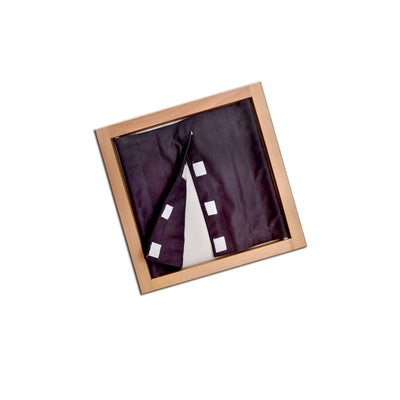
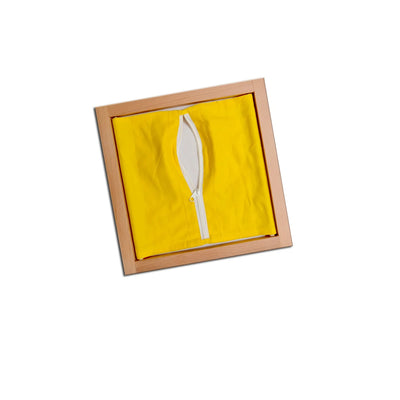
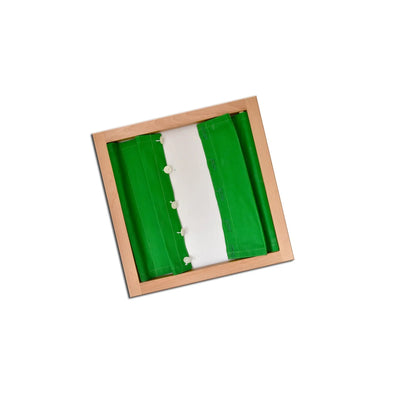
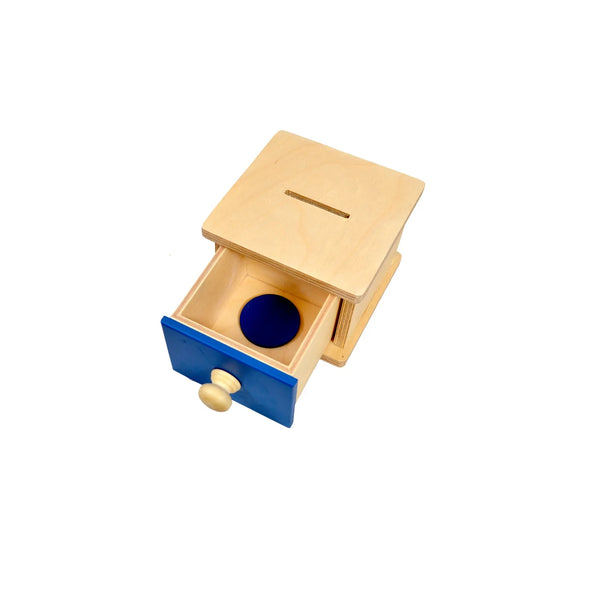
Imagine your 2-year-old, Aarav, in a Bengaluru apartment, helping his Dadi shell peas for dinner or watering the potted tulsi plant. These simple tasks build confidence and a sense of contribution. Then, transition to more focused play. Educational activities for toddlers after school could include working with a Montessori sorting box, stacking wooden blocks, or exploring activity kits designed for fine motor development. The satisfying feel of natural wood, the focused gaze as they fit shapes, these are moments of profound learning.
A non-obvious insight for parents is this: a toddler who seemingly 'refuses' to engage with a new activity isn't being stubborn; they might be indicating that the activity is either too complex or not challenging enough. Observe your child's natural curiosity and adjust the 'prepared environment' accordingly. Providing open-ended materials that invite imagination, like simple wooden rings or nesting dolls, often yields deeper engagement than single-purpose, electronic toys.
Tips for Modern Indian Parents: Juggling Life and Learning
Balancing a demanding career with intentional parenting is a common challenge for urban Indian parents. Incorporating a Montessori after-school activities for toddlers routine requires thoughtful integration into your family's unique rhythm. Start small: perhaps designate 30 minutes each afternoon for 'work time' where your toddler chooses an activity from their prepared shelf, and you model focused engagement, perhaps by reading a book quietly nearby.
Remember that the Indian cultural context offers unique advantages. Grandparents, if present, can be wonderful guides for traditional storytelling, singing rhymes, or engaging in simple chores like sorting spices. This provides invaluable language exposure and strengthens familial bonds. Studies indicate that strong intergenerational relationships positively impact a child's emotional well-being and sense of identity. While the recent 'toddler rave' in Bengaluru might seem like a novel experiment, the consistent, calm engagement of a Montessori routine offers proven, long-term developmental benefits that resonate with traditional Indian values of respectful learning.
Lastly, ensure the routine includes quiet time for reflection or simply being. This could be looking at picture books, listening to light instrumental music, or simply observing the world outside the window. As the American Academy of Pediatrics recommends, limiting screen time for toddlers under two is crucial, making these intentional, screen-free after-school hours even more valuable. Tonight, try introducing one simple practical life task, like helping to put their shoes away, and observe the joy and competence that blooms in your little one.