Wooden Puzzles for Kids: Engaging for Deeper Learning
Research consistently shows that engaging children with wooden puzzles for kids provides a profound foundation for cognitive development, fostering concentration and problem-solving skills vital for their future. As urban Indian parents, we often seek out toys that offer more than just fleeting entertainment. We want our children to engage deeply, to learn, and to grow from their playtime, especially amidst busy schedules and the constant hum of city life.
Engaging children effectively with Montessori wooden puzzles means creating an environment where the child feels invited to explore, make mistakes, and discover solutions independently. It focuses on process over outcome, nurturing concentration, and fine motor skills. This approach is key to unlocking the true educational potential of these timeless toys.
The Montessori Philosophy Behind Puzzle Play
At the heart of Montessori education lies the principle of 'help me do it myself,' and this ethos shines brightly in how children interact with Montessori wooden puzzles. Maria Montessori observed that children possess an innate drive to learn and master their environment. Puzzles, when presented thoughtfully, become tools for self-discovery rather than tests of compliance.
For Indian parents, who often juggle demanding careers with family life, observing your child's independent work with a puzzle can be a calming anchor. Much like the global interest in traditional Indian parenting practices, valuing a child's natural pace and quiet focus with a simple wooden toy aligns with fostering a sense of inner calm and self-reliance, rather than constant external stimulation.
Setting the Stage: Creating an Inviting Puzzle Environment
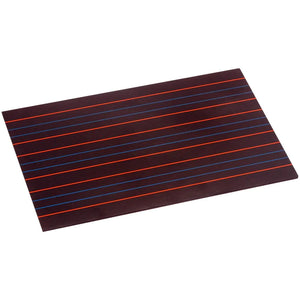
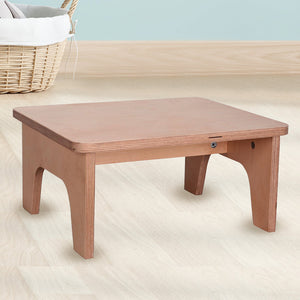
The magic of puzzles for learning begins long before a child picks up a piece. It starts with how the puzzle is presented. In many Indian homes, where space can be a premium, a dedicated, clutter-free 'work mat' or a small, low table can define a child's activity zone. This signals to the child that this is a place for focused work and respect.
Introduce one puzzle at a time, keeping others out of sight. This minimises distraction and encourages deep engagement with the task at hand. Remember, your role is to be a quiet observer, a supportive presence, not a director. Just as Dr. Samir Sheikh, a Jammu pediatrician, might advise parents to observe developmental milestones, watching your child interact with a puzzle offers invaluable insights into their problem-solving strategies and concentration levels.
Choosing the Right Wooden Puzzles for Deeper Learning
Selecting the right puzzle is crucial for sustained engagement. For younger toddlers (1-2 years), consider simple inset puzzles with large knobs and single shapes. As they grow (2-4 years), introduce multi-piece puzzles with interlocking parts or themed puzzles that tell a story. Look for high-quality, durable wooden puzzles that appeal to your child's current interests, whether it's animals, vehicles, or geometric shapes. You can explore a wide range of developmentally appropriate options within the Montessori Method Learning Materials collection.
Guiding Without Giving Answers: The Art of Observation
This is where the 'deeper learning' truly unfolds. When your child struggles with a piece, your first instinct might be to point to the correct spot or even do it for them. Resist this urge. Child development experts agree that allowing for 'productive struggle' builds resilience and genuine problem-solving skills. Studies indicate that children who are permitted to self-correct develop a stronger internal locus of control and intrinsic motivation.
Instead of correcting, try phrases like, "Hmm, that piece didn't quite fit. What else could we try?" or simply wait. An urban Indian parent, often keen on ensuring their child 'excels,' might find this patience challenging, but it's a powerful gift. The self-satisfaction a child experiences upon finding the solution independently far outweighs the temporary frustration. It's a nuanced approach that an American parent living in India might observe, where fostering independence sometimes means stepping back.
Beyond Completion: Maximising Deeper Learning
Once a child masters a puzzle, the learning doesn't stop. Encourage them to do it again, building their concentration and speed. Then, extend the learning. If it's an animal puzzle, ask them to make the animal sounds or talk about where the animals live. If it's a shape puzzle, go on a 'shape hunt' around the house. This kind of extension reinforces concepts and sparks creativity, transforming the puzzle into a springboard for imaginative play.
Consider integrating puzzles with other activity kits. For example, a child who completes a fruit puzzle might then use a related activity kit to sort real fruits by colour or prepare a simple fruit salad. This approach connects abstract learning to concrete experiences, reinforcing skills like categorisation, language development, and practical life skills.
Encouraging Independence and Self-Correction with Educational Puzzles
The beauty of educational puzzles lies in their ability to teach without explicit instruction. When a child tries to force a piece and it doesn't fit, the puzzle itself provides immediate feedback. This self-correction mechanism is a cornerstone of Montessori education, building a child's confidence in their own abilities to identify and rectify mistakes. It prepares them not just for academics, but for the countless small challenges of life, fostering a resilient spirit that isn't afraid to try again.
By offering wooden puzzles, allowing space for independent exploration, and trusting in your child's innate problem-solving capacity, you're doing more than just occupying their time. You are laying the groundwork for a lifelong love of learning and discovery. It's a quiet, powerful act of modern Indian parenting that resonates with timeless wisdom.