Budget Montessori Play Space at Home (Under ₹500)
As Indian parents, we often dream of giving our children the best, and a Montessori environment at home is a wonderful way to foster independence and a love for learning. However, the idea of creating such a space can sometimes feel daunting, especially when thinking about costs. But what if we told you that setting up a Montessori play space at home under 500 rupees is not just possible, but incredibly enriching?
A Montessori play space is a carefully prepared environment designed to encourage a child's natural desire to learn and explore independently. This concept, championed by Dr. Maria Montessori, focuses on child-sized furniture, accessible materials, and an ordered setup that promotes concentration and practical life skills. It's about empowering children to engage with their surroundings in a meaningful way, fostering their inherent curiosity.
Understanding the Montessori Approach for Indian Homes
The Montessori philosophy, when adapted to Indian homes, focuses on creating a prepared environment that supports a child's innate developmental drives. This works because children learn best through hands-on experience and self-discovery. Parents can implement this by providing purposeful activities that build concentration and coordination.
In many Indian households, space might be a constraint, especially in smaller apartments or joint family setups. The beauty of Montessori is its adaptability. It's not about replicating a classroom; it's about understanding the child's needs and creating a respectful, accessible corner for them. Even a small corner of a living room or a designated shelf can become a vibrant learning hub.
Budget-Friendly Foundations: Your Under ₹500 Play Space
Creating an enriching play area doesn't require a big budget. The key is creativity and utilising what you already have, often with a little Indian ingenuity.
The Power of Less: Declutter and Define
Before buying anything, start by decluttering. A Montessori space thrives on simplicity and order. Identify a small, clear area in your home – perhaps near a window or a quiet wall. This dedicated space helps your child understand it's their special place for focused activity. Remove anything that isn't purposeful or beautiful.
Remember, less is more. Having fewer items on display at a time helps children concentrate and prevents overstimulation, a crucial aspect of child development India.
DIY Materials from Around Your Home
Your home is a treasure trove of potential Montessori materials. Look around with fresh eyes:
- Practical Life Activities: Empty plastic bottles for pouring, small bowls and spoons for transferring beans or rice, a small sponge and a bowl of water for squeezing. These simple practical life Montessori materials teach coordination and independence.
- Sensory Exploration: Collect natural elements during a family walk – smooth stones, different leaves, twigs, dried flowers. Use small containers for sorting. Spices from your kitchen (like whole cloves, cardamom pods) offer unique scents for sensory discrimination, supervised closely.
- Language and Cognitive: Cut out shapes from old cardboard boxes. Use fabric scraps from old sarees or dupattas for a touch-and-feel basket, promoting sensory development and early vocabulary. You can even make simple matching cards from pictures cut out of old magazines.
Storage Solutions: Accessible and Aesthetic
Accessible storage is vital for a Montessori space. Low shelves or a small table allow your child to choose and return materials independently. If you don't have low furniture, use sturdy cardboard boxes covered with colourful fabric as makeshift shelves. Small, open baskets or trays keep materials organised and inviting. Old wooden crates, if safe and sanded, can also serve as excellent low storage. These simple solutions are perfect for educational toys for toddlers.
Activity Ideas for Your Budget Montessori Play Space (0-6 Years)
Here are some age-appropriate ideas that cost next to nothing:
For Our Youngest Explorers (0-1 Year)
Simple grasping activities are perfect. A colourful scarf (washable, of course!) can be offered for grasping. Tie a small rattle made from a tin can (secured tightly with tape) and a stick to a frame for batting. Hanging a string of brightly coloured fabric scraps can serve as a DIY visual mobile. Focus on sensory engagement and cause-and-effect.
Toddler Triumphs (1-3 Years)
Toddlers thrive on repetition and practical skills. Set up a pouring station with two small pitchers (like old milk jugs) and water or dried lentils. Offer a sorting tray with different coloured bottle caps or large buttons for them to sort into matching bowls. A basket with child-safe brushes and a dustpan allows them to participate in household chores, reinforcing practical life skills.
Preschooler Projects (3-6 Years)
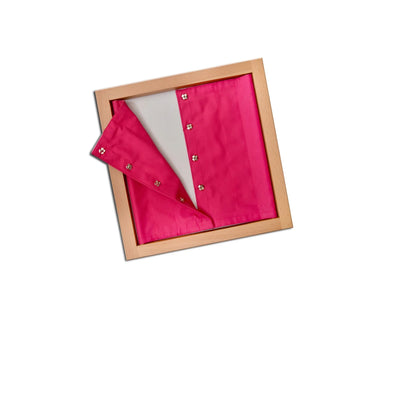
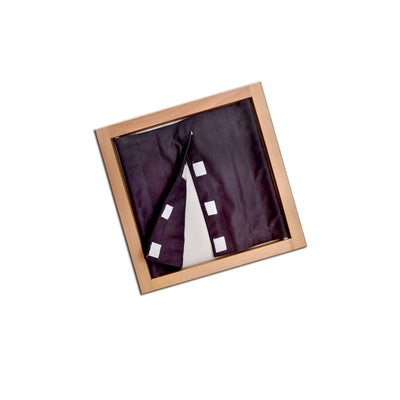
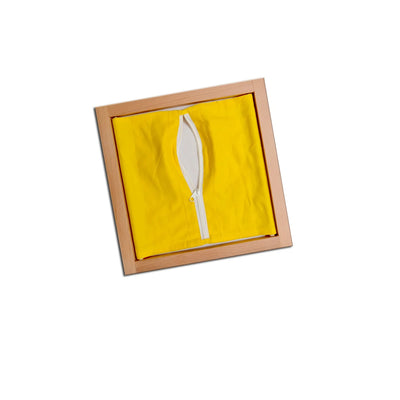
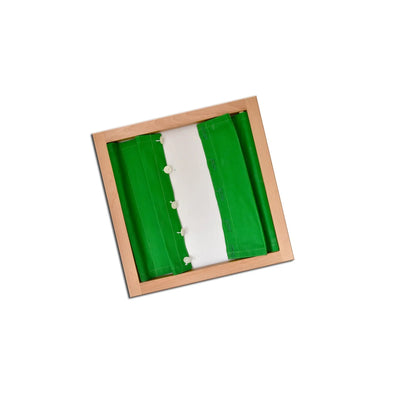
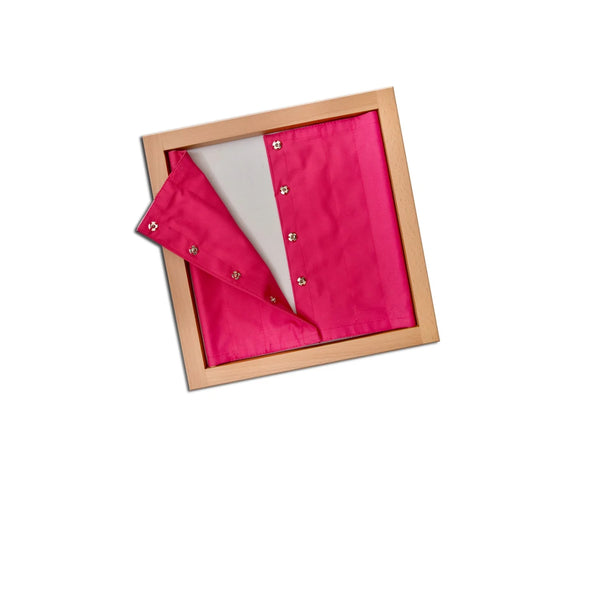
For preschoolers, you can introduce more complex Montessori learning activities. Create simple dressing frames using cardboard, fabric, and old buttons or zippers for fine motor development. Offer materials for basic cutting practice with child-safe scissors and paper scraps. Use chalk and a small slate for early drawing and writing. Storytelling with puppets made from old socks also encourages language development.
Maintaining Your Montessori Environment
Regularly observe your child's engagement. If an activity is no longer interesting, rotate it out for something new. Involve your child in tidying up – putting materials back in their place after use. This routine fosters responsibility and respect for their learning space. The focus should always be on supporting their natural developmental pace.
Creating a Montessori play space at home, especially Montessori at home India, is less about expensive materials and more about understanding the philosophy of respecting the child. With a little thought and creativity, you can offer your little one an enriching, independent learning environment without breaking the bank. For foundational, high-quality Montessori materials to complement your DIY efforts, explore the curated collections at SkilloToys.com.