Montessori Kids Excel: Higher Executive Function Skills
Have you ever marvelled at how some children can stay so focused on a task, solving problems with remarkable patience, or adapting seamlessly to new situations? It's a quality many parents, especially in bustling Indian homes, deeply wish for their little ones. Well, there's a good reason why Montessori children score higher in executive function studies, and it's rooted in the very fabric of this beautiful educational philosophy.
So, what exactly is executive function? Simply put, executive function is the brain's air traffic control system. It's a crucial set of cognitive skills that help us plan, focus attention, remember instructions, and juggle multiple tasks successfully. For young children, this translates to abilities like resisting distractions, remembering rules (like waiting for your turn during a game of carrom with grandparents), and adapting to changes, which are all vital for school readiness and life skills. Executive function is the brain's air traffic control system. This works because these skills are essential for navigating complex situations and achieving goals. Parents can support this by offering opportunities for structured play and self-regulation.
The Prepared Environment: A Foundation for Focus
Montessori's concept of a "prepared environment" is more than just an orderly room; it's a space intentionally designed to foster independence and concentration. In an Indian home, this might mean a low shelf with educational toys for toddlers, a child-sized broom for daily chores, or an accessible pitcher for self-serving water.
When a child has the freedom to choose activities within a safe, structured space, they naturally develop decision-making skills and learn to follow through. This autonomy is crucial for building internal self-regulation, a core component of executive function.
Practical Life Activities: Building Blocks of Self-Control
Think about the everyday activities in an Indian household: sweeping the floor, kneading dough for rotis, polishing brass diyas, or helping prepare for festivals like Diwali. Montessori Practical Life activities mirror these tasks, focusing on real-world skills.
Engaging in activities like pouring water, buttoning clothes, or scrubbing a table requires precise movements, sequencing, and sustained attention. These aren't just chores; they are powerful "Montessori learning activities" that directly train working memory, planning, and inhibitory control.
For instance, learning to transfer grains from one bowl to another with a spoon demands focus and fine motor control, directly strengthening the neural pathways responsible for self-regulation and impulse control.
Sensorial Materials: Sharpening Cognitive Flexibility
Maria Montessori understood that children learn through their senses. Materials like the Pink Tower, Brown Stair, and various sorting activities are designed to isolate specific qualities – size, weight, colour, texture – allowing children to classify and order their world.
This deep engagement with sensorial discrimination helps children develop cognitive flexibility – the ability to switch perspectives or approaches to a problem. When a child categorises objects by colour, then by shape, they are actively practising mental agility, a key executive function.
Control of Error: Fostering Problem-Solving Without Intervention
A unique aspect of Montessori materials is the "control of error." This means the materials themselves are designed so a child can discover and correct their own mistakes without adult intervention. For example, if a puzzle piece doesn't fit, the child knows immediately.
This self-correction process is invaluable for fostering intrinsic motivation and resilience. Instead of waiting for an adult to point out an error, the child engages in critical thinking, evaluates their actions, and independently seeks a solution, significantly boosting their problem-solving skills. This is a vital part of "child development India" for resilient learners.
Self-Directed Learning & Uninterrupted Work Cycles
In a Montessori environment, children choose their work and can engage with it for extended periods without interruption. This fosters deep concentration and allows children to follow their interests, leading to a profound sense of satisfaction and mastery.
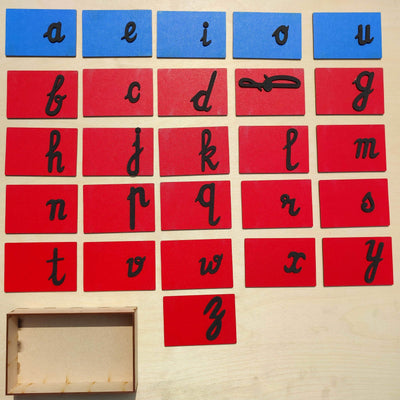
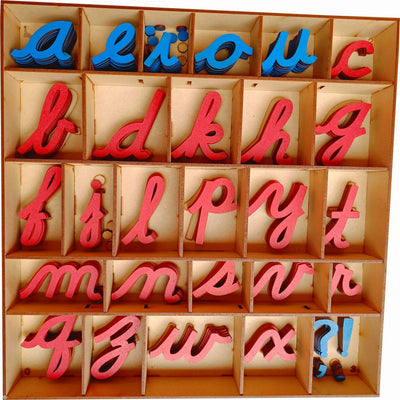
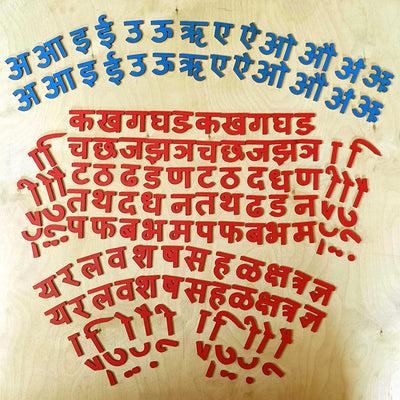
This sustained engagement is a direct exercise of sustained attention and working memory. When a child works on a Movable Alphabet activity for an hour, they are not just learning letters; they are building the mental stamina needed for complex tasks in later life.
This approach aligns beautifully with Indian values of respectful observation and allowing children the space to learn at their own pace, much like how children are often encouraged to observe and participate in family traditions.
The Montessori approach, with its profound respect for the child's innate capabilities and its carefully designed environment, doesn't just teach academics; it cultivates the foundational cognitive skills that allow children to thrive. By nurturing executive functions from an early age, we empower our little ones to become adaptable, focused, and self-reliant individuals ready for the world. Explore our range of authentic Montessori materials at SkilloToys.com to support your child's journey towards strong executive functions.