Montessori Science Explorations for Homeschoolers 3-6
There's a special kind of magic in watching a child's eyes light up with a new discovery. For parents embarking on the journey of Montessori at home in India, fostering this natural curiosity is at the heart of everything we do. Introducing science explorations for Montessori homeschoolers aged 3 to 6 can be one of the most rewarding aspects of their learning adventure.
Montessori science is a method of hands-on learning that allows children to explore the natural world around them through direct experience and observation. This approach works because it taps into a child's innate desire to understand their environment, encouraging independent investigation and critical thinking from a young age. Parents can easily integrate these simple, yet profound, activities into their daily routines using everyday materials.
Bringing Science Home: Simple Explorations for 3-6 Year Olds
In the Montessori philosophy, science isn't confined to a textbook; it's woven into the fabric of daily life. For children aged 3 to 6, this means engaging all their senses in practical activities that reveal the wonders of the world.
Nature's Classroom: Outdoor Discoveries
Our beautiful Indian outdoors, whether it's a small balcony garden, a local park, or even a potted plant indoors, offers endless scientific opportunities. Encourage your child to observe leaves, collect different types of seeds, or watch a ant colony in action. Providing a magnifying glass can transform a tiny beetle into a fascinating subject of study, enhancing their observation skills.
You can create a nature table with treasures found during walks – a smooth pebble, a fallen flower, a unique feather. This simple act encourages classification and a connection to the environment. For structured fun, explore activity kits designed to spark curiosity about plants and insects, perfect for young hands.
Kitchen Chemistry: Everyday Experiments
The kitchen is a vibrant laboratory! Simple experiments like mixing oil and water to observe density, dissolving sugar in warm water, or watching yeast make dough rise are excellent ways to introduce basic chemistry. These practical life activities are foundational to Montessori learning and teach cause and effect.
Involving children in cooking, like measuring ingredients or kneading dough for roti, helps them understand transformations and physical properties. These are excellent educational toys for toddlers and preschoolers, as they are real-life, engaging, and provide immediate feedback.
Life Cycles and Living Things
Growing a simple bean sprout or observing a silkworm if available locally can teach children about life cycles and growth. Caring for a small plant helps them understand responsibility and the needs of living organisms. Discussing the different animals seen around the neighbourhood, from a sparrow on the windowsill to a street dog, fosters empathy and biological awareness.
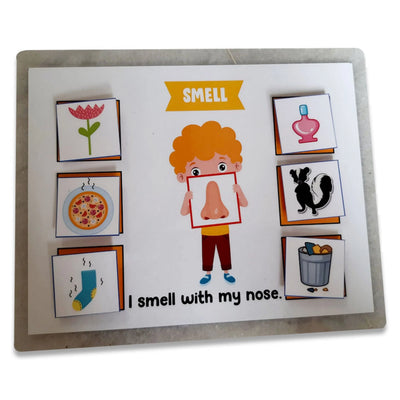
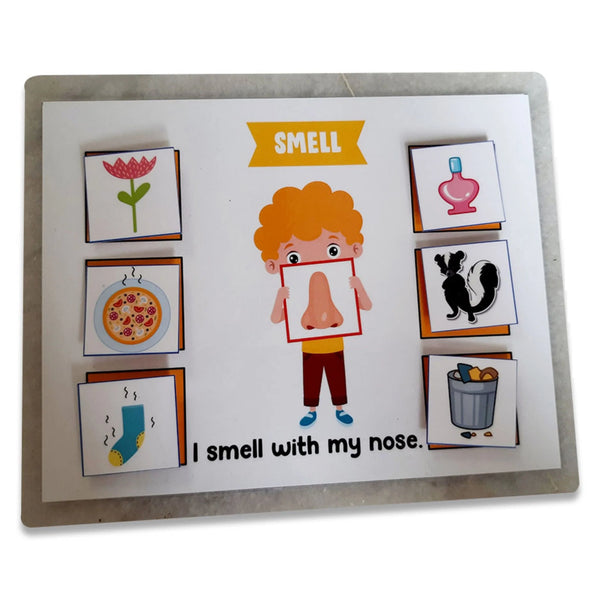
Sensory Science: Touch, See, Hear, Smell
Montessori education heavily relies on sensory exploration. Create a texture basket with items like silk, cotton, sandpaper, and a stone, allowing children to describe what they feel. A sound matching game with small bottles filled with different Indian spices or pulses (like rice, dal, mustard seeds) helps develop auditory discrimination.
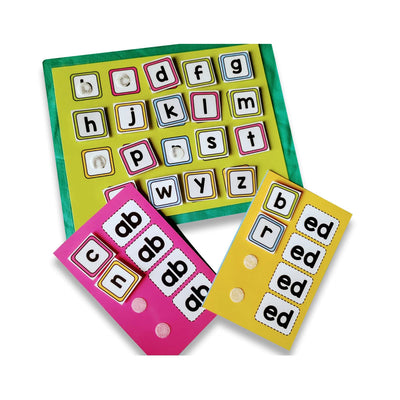
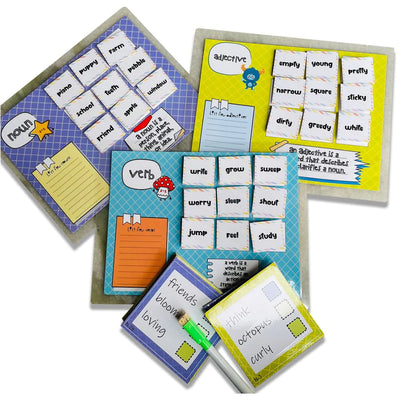
These activities are not just fun; they build a rich vocabulary and refine a child's senses. You can find many wonderful Montessori method learning materials at SkilloToys that are specifically designed to support sensory development and scientific inquiry.
Simple Physics: Gravity and Balance
Experimenting with gravity can be as simple as rolling different sized balls down a ramp or dropping objects into water to see what floats. Building with blocks or stacking stones teaches principles of balance and stability. Even helping to sort laundry by weight can introduce concepts of mass in a tangible way.
Creating a Montessori-Inspired Science Corner
To support Montessori at home India, designate a small, accessible space as a science corner. This doesn't need to be elaborate, especially in smaller apartments or joint family homes. A low shelf with a magnifying glass, a pair of child-safe tweezers, some small containers for collecting treasures, and a few nature books can work wonders.
Keep materials organised and rotate them to maintain interest. The goal is to make science inviting and readily available for child-led exploration. Providing local materials like various leaves, flowers, or even different types of soil in small bowls can be incredibly engaging.
The Role of the Adult in Science Exploration
As parents, our role is to be guides, not lecturers. Observe what interests your child, then provide opportunities for deeper exploration. Instead of giving answers, ask open-ended questions like, "What do you notice?" or "What do you think will happen if...?" This encourages independent thought and scientific reasoning, vital for comprehensive child development in India.
Join them in their discoveries, showing your own wonder and enthusiasm. This shared experience strengthens your bond and models a lifelong love for learning, turning everyday moments into powerful Montessori learning activities.
Bringing science alive for your Montessori homeschooler aged 3 to 6 is about fostering a sense of awe and encouraging hands-on interaction with the world. By integrating these simple activities into your daily rhythm, you're laying a strong foundation for future learning. For high-quality, authentic Montessori learning activities and educational toys, explore the curated collection at SkilloToys.com.