Building a Three-Period Lesson Plan for Toddlers at Home
In many Indian homes, with grandparents often joining in, teaching a toddler new words or concepts can sometimes feel like a delightful but chaotic dance. You point to a mango and say 'aam,' and your little one points to a tomato and says 'aam' too! It's a journey of discovery for both of you. This is where the Montessori method, particularly the three-period lesson plan for toddlers at home, becomes a truly invaluable tool for parents looking to introduce new ideas clearly and effectively.
The Three-Period Lesson is a foundational teaching technique developed by Dr. Maria Montessori to help children associate names with objects and concepts. It's a powerful way to introduce new vocabulary, colours, shapes, or any new piece of information to your child in a structured, yet natural and child-led manner. This works because it respects the child's developmental stage, allowing them to internalise knowledge at their own pace without pressure. Parents can confidently use this method to foster language development and cognitive understanding in their young ones.
Understanding the Montessori Three-Period Lesson
The beauty of the Three-Period Lesson lies in its simplicity and effectiveness. It breaks down the learning process into three distinct steps, allowing a child to absorb and process information gradually. This method is perfect for parents exploring Montessori learning activities at home, even in smaller apartments where dedicated learning spaces might be limited. You don't need fancy equipment; everyday items or simple Montessori materials for toddlers work wonderfully.
Whether you're teaching the names of different Indian spices in the kitchen or identifying family members in a photograph, the three periods guide you. It's about careful presentation, observation, and giving the child the time and space to connect and understand. This systematic approach ensures that the child truly comprehends the concept, rather than just memorising it temporarily.
Period 1: Naming (This is...)
This is the introduction phase, where you associate the name with the object. Choose two to three distinct objects or concepts. For instance, if you're teaching colours, you might pick a red block, a blue ball, and a yellow cloth. Hold up the red block and clearly state, "This is red." Repeat it a couple of times, allowing your child to observe the object. Then, do the same for the blue ball and the yellow cloth.
Keep your voice clear and engaging, making eye contact with your child. Remember, less is more in this stage; focusing on just a few items prevents overstimulation. This direct, sensory experience is crucial for building a strong foundation for future learning. Allow for pauses, giving your child time to process the information.
Period 2: Association (Show me...)
Once you've introduced the names, it's time for the association period, also known as the recognition phase. Place the objects in front of your child. Now, you'll ask them to show you the object you named. "Show me the red block." If your child points to or picks up the correct object, acknowledge their success with a warm smile or a "yes!" without overly praising them. If they choose incorrectly, simply say "Let's try again," and gently guide their hand to the correct item, re-stating the name.
Repeat this several times, rotating through the objects. You can ask "Show me the blue ball," then "Show me the yellow cloth," and so on. This period allows the child to solidify the connection between the name and the object through active engagement. It's a wonderful way to introduce concepts like different textures using Montessori sensorial materials, asking them to "Show me the smooth fabric" or "Show me the rough sandpaper."
Period 3: Recall (What is this?)
This is the testing or recall phase, but it's vital to approach it without pressure. This period reveals whether the child has truly internalised the concept. Pick up one of the objects and ask, "What is this?" Your child should be able to name it independently. If they answer correctly, smile and acknowledge their achievement. If they hesitate or give an incorrect answer, don't correct them directly.
Instead, gently revert to Period 1 or 2. You might say, "Oh, this is red!" (Period 1) or "Can you show me the red one?" (Period 2). This gentle approach ensures that the child feels supported and encouraged, rather than tested. It's a testament to effective child development in India, fostering self-confidence and a love for learning.
Tips for Success with the Three-Period Lesson at Home
- Keep it short: Toddlers have short attention spans. Lessons should be brief, perhaps 5-10 minutes, and stop before your child loses interest.
- Follow the child: Observe your child's engagement. If they're not interested, don't force it. Try again another time.
- Be clear and concise: Use simple, direct language. Avoid unnecessary chatter.
- Use real objects: Whenever possible, use tangible, real-world items that your child can touch and manipulate. This makes learning concrete and meaningful, especially in a home environment where real objects are abundant.
- Integrate into daily life: Point out colours during meal prep ("This is a green palak leaf") or shapes during play with blocks ("This is a square block"). This makes Montessori at home India a natural part of everyday living.
- Don't test, observe: The goal isn't to quiz your child but to guide their learning. Your observation will tell you when they've mastered a concept.
Choosing the Right Materials
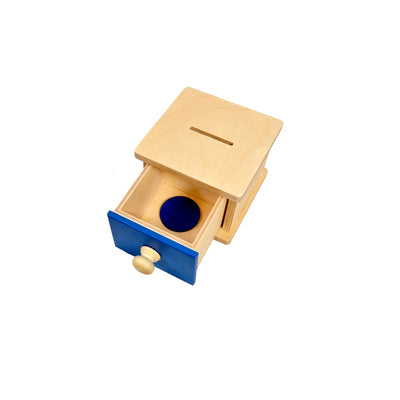
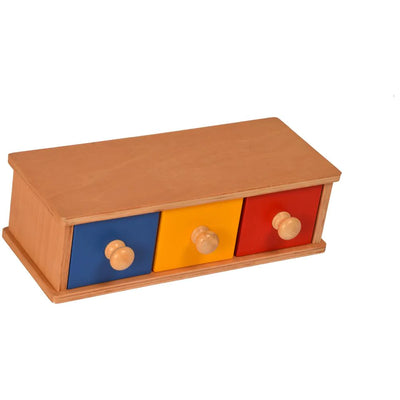
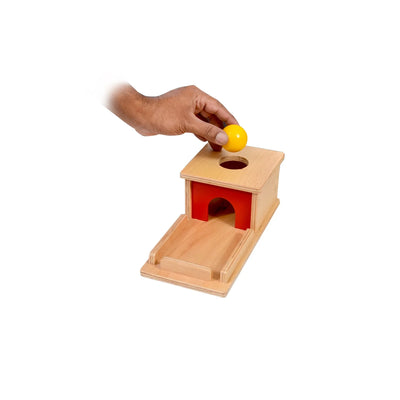
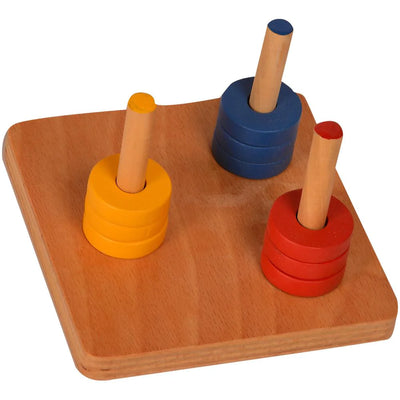
For educational toys for toddlers, choose items that are simple, safe, and appeal to your child's senses. Blocks of different colours, various textured fabrics, or even different types of fruits and vegetables are excellent choices. Ensure the materials are relevant to your child's environment and experiences. For instance, using local Indian fruits like mangoes, bananas, or guavas can make the lesson more relatable and engaging than exotic fruits they rarely see.
Building a three-period lesson plan at home empowers you to be your child's first and most important teacher. It's a method that respects your child's individuality and fosters a deep love for learning, creating a joyful and enriching environment. Explore the curated selection of authentic Montessori materials at SkilloToys.com to support your child's developmental journey.