Building Toddler Focus with Montessori in Indian Homes
In the vibrant, sometimes bustling, environment of an Indian home, a toddler's boundless energy and fleeting attention can be both a joy and a puzzle for parents. From the lively chatter of a joint family to the allure of digital screens, distractions are everywhere. If you're wondering how to foster deep engagement amidst this, you're not alone. The good news is, building concentration and focus in distracted toddlers with Montessori principles is not only possible but deeply rewarding, setting a strong foundation for lifelong learning.
Montessori's approach to concentration is rooted in respecting the child's natural drive for self-development. It's not about forcing a child to sit still, but rather about creating an environment and offering activities that naturally captivate their interest and lead to sustained engagement. This process, often called the 'work cycle,' begins with the child choosing an activity, working on it intently, and experiencing a profound sense of satisfaction upon completion. This works because it aligns with a child's innate curiosity and desire for mastery. Parents can facilitate this by observing their child's interests and preparing suitable activities.
Creating a "Prepared Environment" for Montessori at Home India
The cornerstone of Montessori education is the 'prepared environment' – a space thoughtfully arranged to encourage independence and concentration. In an Indian home, whether it's a sprawling bungalow or a compact apartment in Bengaluru, this means creating a child-centric zone. Low shelves that your child can access, a dedicated mat for their activities, and a clutter-free space where each item has a place are essential. This order helps a child focus on the task at hand without being overwhelmed by choices.
Consider placing educational toys for toddlers at their eye level. This empowers them to choose their own 'work'. Even a small corner of the living room, perhaps near a window where they can watch a peacock or a delivery person, can become their special learning zone. Balancing traditional home decor with a child-friendly setup is a gentle art, ensuring the space feels both culturally rich and developmentally supportive.
The Power of Purposeful Practical Life Activities
Toddlers thrive on being part of the real world. Practical life activities are simple, everyday tasks that not only develop fine motor skills but also cultivate a remarkable sense of focus. Think beyond just playing; consider inviting your toddler to help with household chores in a child-appropriate way.
Pouring water from a small jug, wiping up spills, sweeping a small area with a child-sized broom, or even helping sort lentils for a traditional Indian meal are all powerful concentration builders. These activities are tangible, purposeful, and offer immediate feedback, leading to a deep sense of accomplishment. Explore a wide range of Montessori learning activities that involve practical life skills, helping your child engage meaningfully with their surroundings.
Engaging with Educational Toys for Toddlers
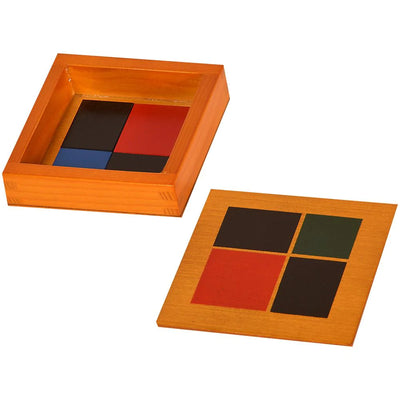
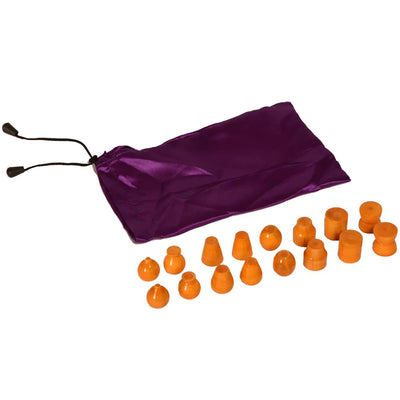
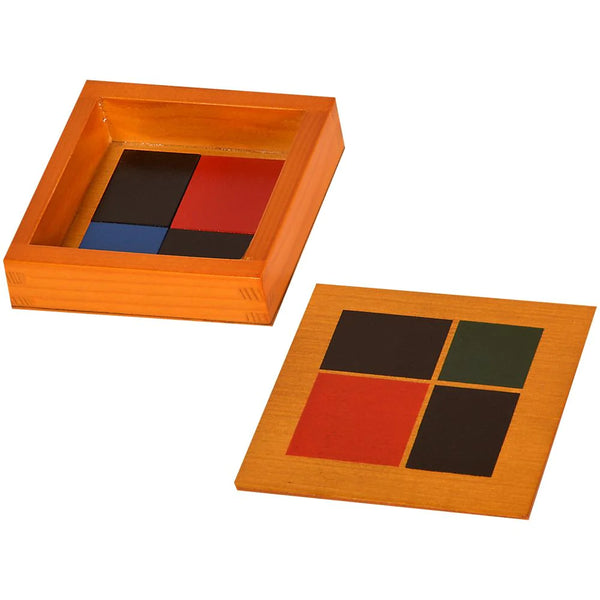
Montessori materials are designed with a singular purpose: to isolate a skill and allow for self-correction. Unlike many modern toys that overstimulate, Montessori toys encourage sustained attention. A wooden puzzle with large knobs, for instance, focuses on shape recognition and hand-eye coordination without flashing lights or distracting sounds.
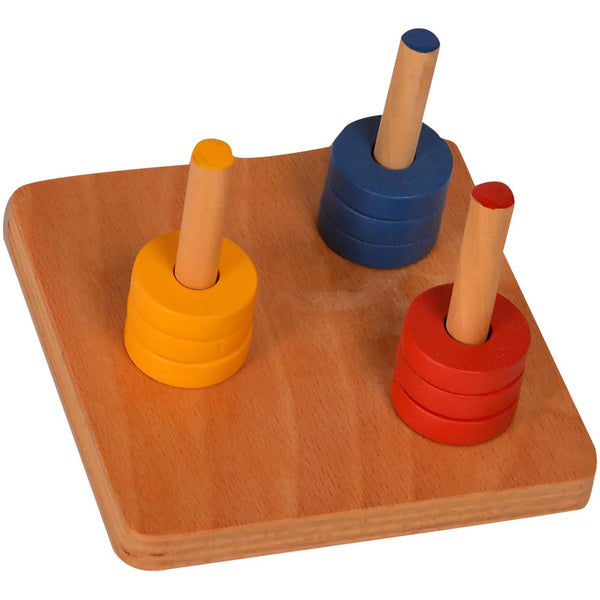
Consider offering a child Montessori sensorial materials like knobbed cylinders, which help refine discrimination of size and dimension, or simple stacking toys. These items, along with educational toys for toddlers that develop fine motor skills, are not just for entertainment. They are tools for development, inviting repetition and, with it, a strengthening of concentration. When a child can correct their own errors, they build confidence and extend their focus.
Observation and Respecting the Child's Work Cycle for Child Development India
Maria Montessori stressed the importance of observation. As parents, watching our children without interruption allows us to understand their interests, challenges, and what truly captivates them. When a toddler is deeply absorbed in an activity – whether it's stacking blocks or meticulously placing small pebbles – this is their 'work cycle.' It's a sacred moment of concentration that should be respected and protected.
In the vibrant ecosystem of an Indian family, with doting grandparents and frequent visitors, it can be challenging to shield a child from well-meaning interruptions. Gently explaining the importance of uninterrupted play to family members can help. This respect for their concentration, a vital aspect of positive child development India, teaches them the value of focus and self-directed learning.
Building concentration and focus in your toddler is a journey of patience, observation, and providing the right tools. By embracing Montessori principles, you're not just helping your child focus; you're nurturing a love for learning and independence that will serve them for years to come. Explore the carefully curated collection of Montessori educational toys at SkilloToys.com to support your child's developmental journey right at home.