Calm Parenting: Montessori Tools to Stop Yelling in Indian Homes
We've all been there: the exhaustion, the frustration, the moment when our patience wears thin, and a yell escapes. In the bustling, often demanding environment of an Indian household, it can feel impossible to maintain composure. But what if there were gentle, effective ways to foster calm, both in ourselves and our children? This post explores how to stop yelling and stay calm using Montessori parenting tools, tailored for the unique dynamics of Indian homes.
What is Montessori Calm Parenting?
Montessori calm parenting is an approach rooted in respect for the child, observation, and creating an environment that supports independence and self-discipline. It’s not about never feeling frustrated, but about having strategies to respond thoughtfully instead of reactively. This works because it addresses the root causes of challenging behaviours – often unmet needs or a lack of appropriate tools – and empowers both parent and child. Parents can cultivate a more peaceful atmosphere by shifting their focus from control to collaboration.
Understanding Triggers in Indian Homes
Life in India, with its vibrant joint families, festive celebrations, and often compact living spaces, brings its own set of parenting joys and challenges. The pressure to conform, the presence of many adults offering advice, and the sheer energy of festivals like Diwali or Holi can overwhelm both parents and children. Recognising these unique stressors is the first step toward finding calm. We often yell out of habit, stress, or a feeling of losing control, but Montessori offers a different path.
Creating a Prepared Environment: Your First Montessori Tool
Maria Montessori taught us that the environment is the child's third teacher. For Indian homes, this means thoughtful adaptation.
Child-Sized Everything
Imagine the frustration of an adult trying to work at a tiny child's table. Children feel the same when they can't reach a sink, open a cupboard, or sit comfortably at a large dining table. Providing child-sized furniture, tools, and access points dramatically reduces a child's dependence on adults, thereby cutting down on requests and potential conflicts. Simple stools for reaching the washbasin or low shelves for toys are game-changers. SkilloToys offers a range of practical life Montessori materials designed for little hands, encouraging independence.
Order and Routine
Children thrive on predictability. A consistent daily rhythm, even amidst the occasional chaos of an Indian wedding or festival, provides security and reduces anxiety. Knowing what comes next – snack time, outdoor play, story time – helps toddlers regulate their emotions. Visual schedules with pictures can be incredibly helpful for younger children who can't yet read. Designating a specific spot for everything, from shoes to books, empowers children to put things away, fostering a sense of responsibility and order.
Designated "Yes" Spaces
Carve out areas in your home where your child can explore freely without constant supervision or the need for a "no." This might be a corner in the living room with their educational toys, a low shelf in the kitchen with safe pouring activities, or a balcony garden patch they can tend. These spaces empower children, reduce constant policing from parents, and prevent many arguments before they even start, fostering healthy Montessori learning activities.
The Power of Observation and Respectful Communication
Instead of reacting to a child's behaviour, Montessori encourages us to observe it with curiosity.
Observing Your Child, Not Just Reacting
Take a moment to truly watch your child without judgment. Is their tantrum about wanting the remote, or are they overtired? Is their hitting a sign of aggression, or an attempt to get attention because they lack the words? Understanding the "why" behind the behaviour helps us respond with empathy and teach appropriate coping mechanisms, rather than simply shutting down the behaviour with a yell.
Calm Communication Techniques
When conflict arises, approach your child at their eye level. "Connect before you correct" means acknowledging their feelings first: "I see you're upset that the colours are mixed." Then, offer a solution or guide them: "Let's see if we can sort them now, or we can try again later." Offering limited choices – "Do you want to wear the blue kurta or the red one?" – gives children a sense of control and reduces power struggles. Using "I" statements like "I feel frustrated when the toys are left out" rather than "You always make a mess" keeps the focus on your feelings and avoids blame.
Fostering Independence Through Meaningful Activities
Children who are engaged in purposeful work are often happier and less prone to challenging behaviours.
Practical Life Activities
Involving children in everyday tasks is central to Montessori. Sweeping the floor with a child-sized broom, helping wash vegetables for dinner, or pouring water for plants aren't just chores; they are vital practical life Montessori materials that build concentration, coordination, and a sense of belonging. When children feel capable and contributing members of the household, their self-esteem blossoms, and the need for attention-seeking behaviour diminishes. This is key for child development in India.
Engaging with Educational Materials
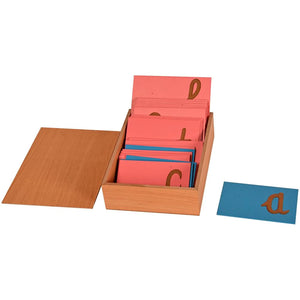
Provide opportunities for focused, self-directed play. High-quality educational toys for toddlers, like a pink tower or sandpaper letters, aren't just fun; they engage a child's mind deeply, satisfying their innate drive to learn. When children are deeply immersed in an activity, they are less likely to seek out disruptive ways to occupy themselves. A well-curated collection of Montessori learning activities can transform a restless child into a focused one.
The Role of Quiet Time and Nature
Even in a busy Indian home, carve out moments for quiet reflection or connection with nature. A few minutes spent watching birds from the window, watering plants on the balcony, or simply sitting in silence can help both child and parent reset. These moments teach self-regulation and provide a much-needed break from sensory overload.
Key Takeaways for Calm Montessori Parenting
- **Observe Before Reacting:** Understand the root cause of behaviour rather than just addressing the symptom.
- **Prepare the Environment:** Create child-friendly spaces that encourage independence and order, reducing friction.
- **Foster Independence:** Involve children in practical life activities to build capability and self-worth.
- **Communicate Respectfully:** Use calm language, eye-level interactions, and offer choices.
- **Provide Engaging Activities:** Offer meaningful Montessori materials to satisfy a child's developmental needs.
- **Integrate Indian Context:** Adapt Montessori principles to suit joint families, festivals, and local resources.
Frequently Asked Questions About Calm Parenting
Can Montessori really stop yelling completely?
Montessori provides powerful tools to reduce the need for yelling by addressing underlying issues and promoting respectful interactions. While no parent is perfect, consistent application of Montessori principles can significantly decrease yelling episodes and foster a more peaceful home environment.
How do I start Montessori in a small Indian apartment?
Start small! Focus on decluttering, creating one dedicated child-friendly "yes" space, and offering a few high-quality Montessori learning activities. Utilize vertical space, multi-functional furniture, and involve your child in practical life activities suitable for your space, like dusting or sorting lentils.
What if grandparents don't understand Montessori principles?
Patience and gentle education are key. Explain the "why" behind your choices, focusing on the benefits for the child, like increased independence and self-confidence. Involve them in age-appropriate activities and celebrate the child's progress. Often, seeing the positive results firsthand can be the most convincing argument.
Are Montessori toys effective for discipline?
Montessori educational toys are not discipline tools in themselves, but they indirectly support discipline by engaging children in purposeful work. When children are deeply focused and developing skills, they are less likely to exhibit disruptive behaviours. They satisfy a child's innate drive for learning, leading to greater self-regulation and cooperation.
Embracing Montessori principles on your parenting journey in India is a commitment to growth – for both you and your child. It’s a path towards greater understanding, connection, and calm, transforming those moments of frustration into opportunities for teaching and learning. Explore our range of authentic Montessori at home India materials and educational toys for toddlers at SkilloToys.com to support your family's peaceful development.