Children Learn Best Through Hands: Montessori Science
Remember your little one’s delight, perhaps your grand-niece or nephew, as they first clutched a soft toy or explored the intricate designs on a rangoli? It's not just adorable; it’s how children learn best through their hands. In Indian homes, we often see toddlers trying to 'help' with kneading dough or sorting spices – these aren't just chores, but rich sensory experiences. This innate drive to touch, feel, and manipulate is at the very core of how young minds develop and absorb information.
So, what exactly does 'learning through hands' mean in a Montessori context? It means engaging a child's senses – touch, sight, hearing, smell, and even taste (safely!) – through specially designed materials and activities. This works because active engagement with tangible objects builds concrete understanding, forming neural pathways stronger than passive listening or viewing. Parents can foster this by providing opportunities for exploration and interaction, allowing children to physically engage with their environment.
The Montessori Philosophy: Hands-On Minds-On Learning
Dr. Maria Montessori observed over a century ago that children possess an 'absorbent mind,' a unique capacity to take in information from their environment without conscious effort. She realised this absorption is most effective when combined with purposeful movement and sensory exploration. Each action becomes a lesson in concentration, fine motor skills, and problem-solving, far more impactful than rote memorisation.
Why Hands-On is Brain-On: The Science Explained
Neuroscience today strongly supports Montessori's insights. When a child manipulates an object, multiple areas of the brain are activated simultaneously – motor skills, sensory processing, language centers, and cognitive functions. This multi-sensory engagement leads to deeper understanding and better retention of concepts. A child might remember the feel of a specific fabric long after forgetting its name, or recall how to balance blocks even if they can't articulate the physics.
Bringing Montessori Hands-On Learning Home in India
You don't need a dedicated Montessori school setup to embrace this principle. In many Indian households, simple, everyday activities are already perfect learning opportunities. In a joint family, grandparents often involve children in activities like shelling peas, sifting flour, or helping to set up for a festival. These are wonderful examples of practical life skills that naturally engage little hands and minds.
Practical Life Activities for Tiny Hands
Practical Life activities are the cornerstone of Montessori, focusing on real-world tasks. For example, involving your toddler in pouring water from a small jug, sweeping with a child-sized broom, or even buttoning their own kurta, builds independence and coordination. These seemingly simple tasks are profound 'Montessori learning activities' that refine fine motor skills and foster concentration. SkilloToys provides excellent Montessori learning materials to support these developmental stages.
Engaging Senses with Montessori Sensorial Materials
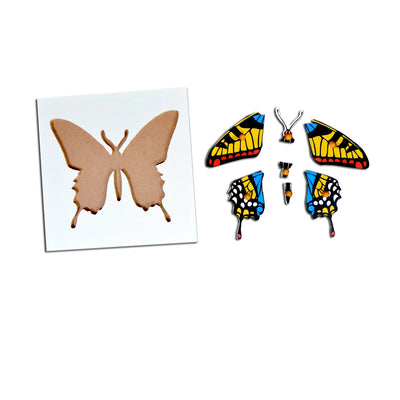
Sensorial materials are designed to isolate and refine a particular sense. Imagine a child exploring the different weights of small wooden blocks, or matching various fabric textures. Materials like the Pink Tower teach concepts of size and dimension, while Sandpaper Letters introduce letter shapes through touch, preparing for reading. These Montessori sensorial materials help children classify and organise sensory impressions, laying foundations for abstract thought, even in a small apartment.
Choosing Educational Toys for Toddlers
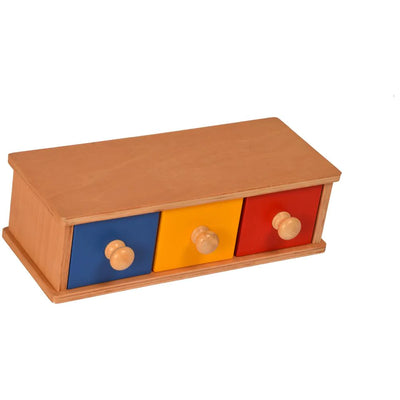
When selecting 'educational toys for toddlers,' think beyond flashy electronics. Prioritise items encouraging manipulation, exploration, and problem-solving – wooden blocks, puzzles, stacking rings, or art supplies. These allow children to learn at their own pace, repeating actions until mastery, which builds confidence. Remember, the simplest toys often foster the most creativity and independent thinking.
Key Takeaways for Parents
- Active Engagement: Children learn best by touching, feeling, and manipulating objects.
- Brain Development: Hands-on activities stimulate multiple brain regions, enhancing cognitive and motor skills.
- Montessori Principles: Dr. Maria Montessori advocated hands-on learning for concrete understanding.
- Everyday Learning: Utilise daily Indian household routines for practical life skill development.
- Sensorial Exploration: Provide materials engaging senses to refine perception and prepare for abstract thought.
- Purposeful Toys: Choose toys encouraging exploration, problem-solving, and independent work.
Frequently Asked Questions
What age is best for hands-on learning?
Hands-on learning is beneficial from birth through all developmental stages. For children aged 0-6 years, it's particularly crucial as their brains are rapidly developing, and they are forming fundamental understandings of the world through direct experience.
How can I encourage hands-on learning if I have a small space?
Even in small Indian apartments, you can create opportunities. Use vertical space for shelving, rotate materials, and integrate learning into daily chores like sorting clothes or helping in a small kitchen garden. The focus is on purposeful activity, not vast space.
Does hands-on learning mean my child will make a mess?
Often, yes, some mess is part of the exploration! However, Montessori also teaches children to clean up after themselves. Providing child-sized tools like sponges and brushes empowers them to manage their workspace, turning clean-up into another practical life skill. Embrace the process, and teach responsibility.
Where can I find quality Montessori educational toys in India?
SkilloToys.com is India's leading Montessori educational toys store, based in Bengaluru. We offer a wide range of authentic Montessori materials and educational toys specifically designed to support hands-on learning and child development at home.
Embracing the power of hands-on learning is one of the greatest gifts you can give your child. It's a journey of discovery, independence, and deep understanding that lasts a lifetime. Explore our curated collection of Montessori educational toys at SkilloToys.com and nurture your child's natural curiosity today.