Children Learn Best Through Hands: Montessori Science
Have you ever watched your child explore a new object, not just with their eyes, but with their whole being? They touch, they grasp, they even bring it to their mouth! This isn't just playful behaviour; it's a profound way children learn best through their hands. In Indian homes, whether it's helping roll rotis with Dadi or stacking colourful bangles, our little ones are constantly using their hands to understand the world around them. This fundamental truth is at the very heart of the Montessori philosophy, a method supported by robust developmental science.
So, what exactly is this 'hands-on' learning we talk about in Montessori? It's a method where children engage directly with specially designed materials to understand abstract concepts. This works because children from birth to six years are in a 'sensitive period' for developing their senses and motor skills. Parents can foster this by providing a prepared environment filled with stimulating and purposeful materials, turning everyday interactions into powerful learning opportunities.
The Scientific Brain-Hand Connection
Our hands are incredible instruments, far more than just tools for holding. They are extensions of our brain, constantly sending information back and forth. For young children, especially during critical phases of child development in India, this brain-hand connection is paramount. Every touch, every manipulation of an object, creates new neural pathways, literally building the architecture of the brain.
When a child grasps a block or traces a letter, they aren't just performing a physical action. They are absorbing concepts of weight, texture, shape, and even sound, all of which contribute to their cognitive development. This active engagement fosters deeper understanding and retention than passive observation ever could.
Dr. Maria Montessori's Insight: The 'Absorbent Mind'
Dr. Maria Montessori, the pioneer of this educational method, observed that children from birth to six years possess an 'absorbent mind'. This is a unique mental capacity to effortlessly soak up information from their environment. She recognised that the hands are the primary tools for this absorption.
For the absorbent mind to truly flourish, children need concrete experiences. Materials like the Pink Tower or Sandpaper Letters aren't just toys; they are 'keys to the universe,' allowing children to physically explore abstract concepts of size, order, and literacy. The Movable Alphabet, for instance, lets them build words long before they can write.
Learning Through Touch: Sensorial Exploration
Montessori's approach places immense value on sensory experiences. Children don't just see colours; they feel them through colour tablets. They don't just hear sounds; they learn to differentiate pitches with sound cylinders. This focus on all five senses, particularly touch, refines their perceptions.
Imagine your child exploring the different textures of fabrics, perhaps the smooth silk of a festive saree compared to the rough jute of a sack, or sorting various spices by smell and feel. Our collection of Montessori Sensorial Materials is specifically designed to isolate and refine each sense, helping children classify and understand their world more effectively.
Practical Life Activities: Hands-On Independence
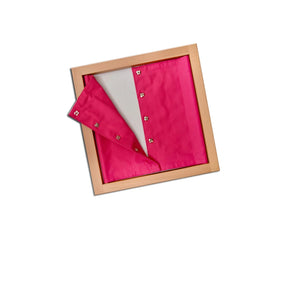
Beyond formal materials, Montessori emphasizes 'Practical Life' activities. These are everyday tasks that give children purpose and foster independence. In an Indian home, this could mean helping grind spices, pouring water for guests, or neatly folding laundry.
Such activities, though seemingly simple, develop fine motor skills, concentration, and a sense of order. When children participate in real-life chores, they feel valued and capable, boosting their self-esteem and preparing them for more complex learning. It's truly a holistic approach to Montessori learning activities.
Bringing Hands-On Montessori Home in India
Adopting Montessori principles doesn't require a dedicated classroom; it's about creating a 'prepared environment' at home. Even in smaller Indian apartments or bustling joint families, you can foster hands-on learning. Start by making materials accessible on low shelves and encouraging independence.
Think about incorporating local materials: arranging colourful rangoli powder, threading flower garlands for festivals, or sorting different types of lentils. These simple, everyday activities are excellent examples of Montessori at home India. When choosing educational toys for toddlers, prioritise those that encourage exploration and manipulation.
Choosing the Right Educational Toys
The key to effective hands-on learning lies in selecting purposeful, open-ended materials. Look for toys that allow children to discover principles themselves, rather than merely follow instructions. Wooden puzzles, stacking blocks, and sorting games are fantastic examples.
At SkilloToys, we understand the importance of quality, child-safe Montessori materials. Our curated collection supports this natural inclination to learn through doing, providing enriching experiences that align with your child's developmental needs and cultural context.
Key Takeaways
- Children are naturally wired to learn through their hands, building crucial neural connections in their developing brains.
- Dr. Maria Montessori's 'Absorbent Mind' theory highlights the hand as the primary tool for learning during early childhood (0-6 years).
- Montessori sensorial materials refine children's senses and help them understand abstract concepts concretely through touch and manipulation.
- Practical Life activities foster independence, concentration, and fine motor skills by engaging children in meaningful everyday tasks.
- Parents can create a hands-on Montessori environment at home using accessible, purposeful materials and incorporating local cultural elements.
- Choosing quality educational toys that encourage self-discovery and active manipulation is crucial for holistic child development.
Frequently Asked Questions (FAQ)
Why is hands-on learning so important for young children?
Hands-on learning directly engages a child's senses and motor skills, creating stronger neural pathways in the brain. It allows them to understand abstract concepts concretely, leading to deeper comprehension and better retention of information.
What does 'absorbent mind' mean in Montessori?
The 'absorbent mind' refers to a young child's unique capacity, from birth to age six, to effortlessly take in vast amounts of information from their environment without conscious effort. Dr. Montessori believed the hand is the instrument of the absorbent mind, as children learn by doing and experiencing.
How can I implement hands-on Montessori at home in India?
Start by creating a prepared environment with child-sized furniture and accessible materials. Incorporate practical life activities like helping with chores, use local items for sorting and matching, and choose open-ended Montessori educational toys that encourage exploration.
Are all educational toys considered 'hands-on' in the Montessori sense?
Not necessarily. While many toys are 'hands-on,' Montessori materials are specifically designed to isolate a single concept, are self-correcting, and appeal to a child's natural curiosity. They encourage self-discovery and independent learning rather than simply entertaining.
What age is best for hands-on Montessori learning?
Hands-on learning is beneficial from birth, but the Montessori approach specifically caters to the "absorbent mind" period from 0-6 years. This is when children are most receptive to learning through sensory and practical experiences, laying a strong foundation for future academics and life skills.
Understanding the science behind how children learn best through their hands empowers us as parents to support their natural development. By embracing the Montessori philosophy, you’re not just offering toys; you’re offering tools for life, nurturing capable, independent, and confident individuals. Explore the world of purposeful learning with SkilloToys.