Children Learn Best Through Their Hands: Montessori Science
Observe a child in an Indian home, whether they're helping roll out chapatis, playing with a broom, or simply exploring a new toy. What’s the first thing they do? They reach out, touch, feel, and manipulate. This isn't just curiosity; it's a fundamental way that children learn best through their hands. The brilliant Dr. Maria Montessori understood this innate drive, building an entire educational philosophy around the profound connection between the hand and the developing mind.
So, what exactly does it mean when we say children learn best through their hands in the Montessori context? This approach posits that purposeful interaction with the environment isn't just supplementary; it's central to cognitive development. Montessori education provides children with specially designed materials that they can explore independently, allowing them to grasp abstract concepts through concrete experiences. This works because children from birth to six years are in a 'sensitive period' for order, language, and sensory exploration, where their absorbent minds soak up information from their surroundings.
The Brain-Hand Connection: Why Touch Matters
Did you know that our hands have more nerve endings than almost any other part of the body? When a child touches, feels, and manipulates objects, a rich stream of sensory information flows directly to the brain. This active engagement stimulates neural pathways, strengthening connections that are vital for problem-solving, language acquisition, and fine motor skills. It’s far more effective than passive observation or rote memorization.
From Sensory Input to Cognitive Growth
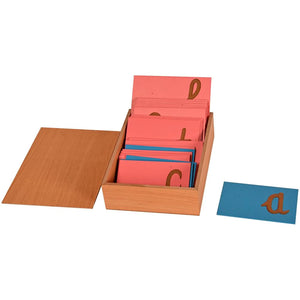
Consider a child stacking a Montessori Pink Tower. They are not just building; they are experiencing concepts of size, weight, and order through their touch and sight. This hands-on process allows them to internalize these concepts in a tangible way. Similarly, when tracing sandpaper letters, they are not only seeing the letter but also feeling its shape, preparing them for writing long before they pick up a pencil. This multi-sensory engagement forms a robust foundation for future learning.
Bringing Montessori's Wisdom to Your Indian Home
Incorporating hands-on learning at home doesn't require a dedicated Montessori classroom. It's about creating an environment that respects your child's innate drive to explore and learn. Even in smaller Indian apartments or joint family settings, simple changes can make a big difference. Think about involving children in age-appropriate household tasks, like sorting lentils, arranging small items, or watering plants. These are all practical life activities that hone concentration and coordination.
Everyday Opportunities for Hands-On Learning
Parents can easily integrate Montessori principles into daily routines. For instance, instead of just telling your child about different textures, provide them with fabric scraps from old sarees, smooth pebbles, or rough wooden blocks to feel. During festivals, let them help decorate by arranging flowers or stringing beads. These activities, often part of our Indian heritage, naturally foster 'Montessori learning activities' and contribute significantly to child development in India.
Curated Materials for Active Minds
While everyday items are wonderful, purposeful Montessori materials offer structured learning experiences. For toddlers, simple puzzles, stacking rings, or sorting boxes are excellent educational toys for toddlers. As they grow, materials like the Movable Alphabet allow children to construct words physically, making the abstract concept of reading and writing concrete. SkilloToys offers a wide range of authentic Montessori materials, designed to support this crucial hands-on exploration from the comfort of your home.
More Than Just Play: Purposeful Learning
The beauty of hands-on Montessori learning lies in its purposeful nature. It's not just about keeping children busy; it's about engaging their intellect and developing their will. Each material and activity has a specific learning objective, often with a 'control of error' built-in, allowing the child to self-correct. This builds confidence and independence, crucial skills for navigating the world.
For instance, when a child works with pouring activities, they aren't just playing with water; they are refining their motor control, understanding volume, and developing concentration. This self-directed, experiential learning empowers them, fostering a love for discovery that stays with them long after the activity is complete. It’s a holistic approach that nurtures the child's entire being.
The Power of Intrinsic Motivation
When children engage with materials they can manipulate and master, they experience a profound sense of accomplishment. This intrinsic motivation is the bedrock of lifelong learning. Instead of external rewards, the satisfaction comes from within, from successfully completing a task or understanding a new concept through their own effort. This builds resilience and a genuine love for learning.
Key Takeaways
- Children are wired to learn through active exploration and manipulation of their environment.
- The hand is a crucial tool for the developing mind, sending rich sensory information to the brain.
- Montessori materials are designed for purposeful, hands-on learning, making abstract concepts concrete.
- Parents can foster hands-on learning at home through practical life activities and thoughtfully chosen Montessori at home India materials.
- This approach builds concentration, independence, fine motor skills, and a lifelong love for learning.
Frequently Asked Questions About Hands-On Montessori Learning
Why do children learn best through their hands?
Children learn best through their hands because physical manipulation engages multiple senses and stimulates neural pathways in the brain. This active process helps them internalize abstract concepts more effectively than passive learning, creating deeper understanding and stronger memory retention.
How can I implement Montessori hands-on learning at home in India?
You can implement hands-on learning by offering age-appropriate practical life activities like pouring, sorting grains, or sweeping. Provide open-ended materials like blocks and puzzles, and consider investing in authentic Montessori sensorial materials that encourage exploration and self-correction.
What are some good Montessori materials for tactile learning?
Excellent Montessori materials for tactile learning include Sandpaper Letters and Numerals, the Geometric Solids, fabric boxes, and various texturised tablets. These materials isolate specific sensory qualities, allowing children to develop a refined sense of touch and differentiation.
Is Montessori education only for expensive schools?
Absolutely not! While Montessori schools offer a comprehensive environment, the principles of Montessori education, especially hands-on learning, can be beautifully integrated into any home. SkilloToys provides access to quality Montessori-aligned educational toys and resources to support your journey at home.
Understanding that children learn best through their hands empowers us to create richer, more engaging environments for them. At SkilloToys.com, we are committed to supporting Indian parents with carefully curated educational toys that honor this profound truth, helping your child unlock their full potential.