Creating a Calm-Down Corner Montessori Way for Toddlers
Toddlerhood is a whirlwind of big emotions – joy, frustration, anger, and excitement, all often within minutes! For Indian parents navigating these intense feelings in bustling homes, finding effective ways to support emotional regulation is key. This is where a calm-down corner the Montessori way for toddlers becomes an invaluable tool. Imagine a peaceful haven, a designated space where your little one can retreat, process their feelings, and regain composure independently. It's not about punishment, but about empowerment and understanding.
A Montessori calm-down corner, often referred to as a "peace corner," is a thoughtfully prepared environment designed to help children self-regulate their emotions. This works because it provides a respectful, accessible space equipped with calming tools, allowing children to choose activities that soothe them rather than being told what to do. Parents can observe their child's needs and gently guide them towards this safe haven when they are overwhelmed, fostering intrinsic motivation for emotional balance.
Why a Peace Corner is Perfect for Indian Homes
Life in an Indian household, whether a small apartment in Bengaluru or a sprawling joint family home, is often vibrant and dynamic. Amidst the sounds of everyday life, festivals, or visits from relatives, toddlers can easily get overstimulated. A dedicated calm-down corner offers a crucial personal space, a concept particularly valuable in close-knit family structures where individual quiet time might be less common. It teaches valuable lessons in self-awareness and respect for one's own emotional needs from an early age, contributing positively to child development India.
This approach aligns beautifully with the Montessori philosophy of respecting the child as an individual. It's a practical application of Montessori at home India, providing children with agency over their emotions. By offering a designated space, we acknowledge their feelings are valid and equip them with tools to navigate them constructively, rather than suppressing them.
Setting Up Your Montessori Calm-Down Corner
Creating this special space doesn't require an entire room; a quiet nook, a corner of a living room, or even a section of your child's bedroom can work perfectly. The key is to make it inviting, accessible, and clutter-free, reflecting the order and simplicity central to the Montessori environment.
Choosing the Right Spot
Look for an area that offers a sense of enclosure without being restrictive. It should be away from high-traffic zones and distractions like the television. A small rug or a soft mat can help define the space, making it feel distinct and special for your child. Consider natural light, or a soft, dim lamp for a comforting ambiance.
Essential Elements & Calming Materials
The materials you choose are crucial. They should be simple, open-ended, and designed to engage the senses while promoting calm. Think about items that your child can interact with independently to process their feelings.
- Comfortable Seating: A soft gaddi, floor cushion, a small bean bag, or even a mini charpoy provides a cozy spot. The idea is to create a physical sense of comfort and security.
- Sensory Tools: Include items like a small stress ball, a feathery scarf, a textured fabric square (perhaps a piece of silk or velvet), or a "calm-down jar" filled with glitter and water. These offer tactile and visual input that can be soothing.
- Books about Emotions: A small selection of picture books that gently explore feelings can be very helpful. Seeing characters experience and resolve emotions normalises these experiences for toddlers.
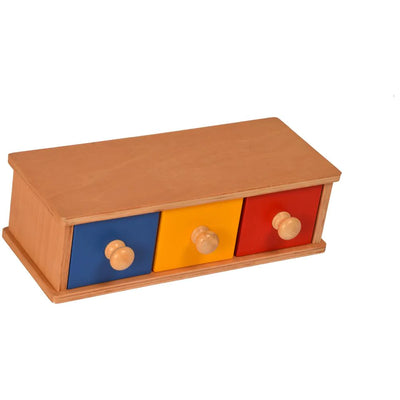
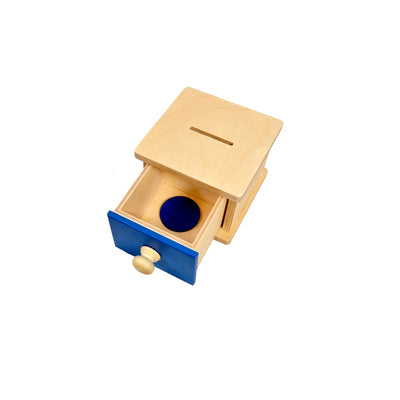
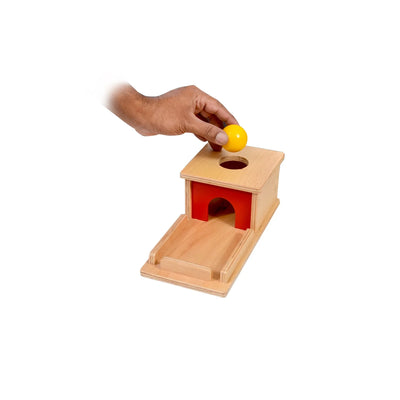
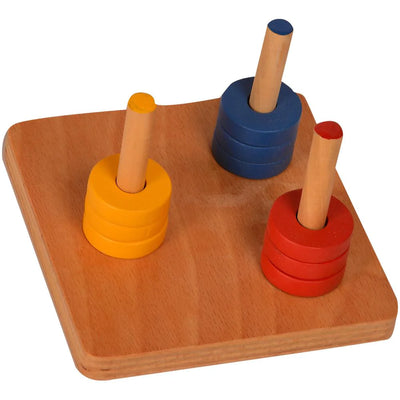
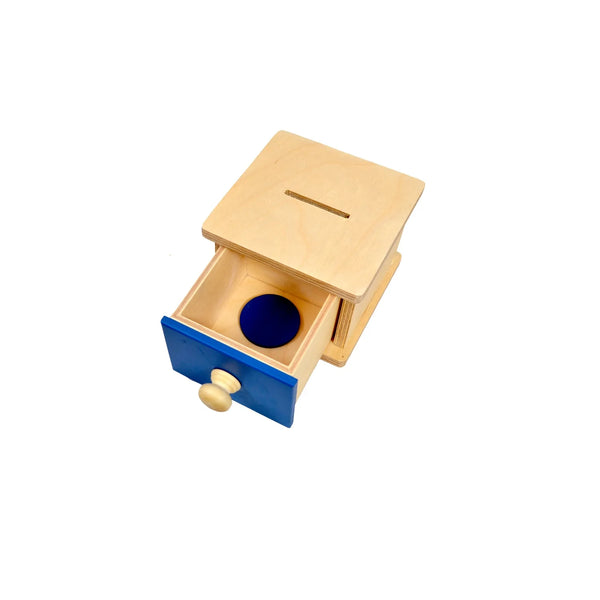
- Simple Practical Life Activities: Sometimes, engaging in a focused, repetitive task can be incredibly grounding. A small basket with some beads for sorting, or a pouring activity with water or lentils, can be excellent additions. SkilloToys offers a range of toddlers Montessori materials perfect for this purpose, fostering concentration and fine motor skills.
- Mirror: A child-safe mirror at their level allows for self-reflection. They can observe their own expressions, helping them connect with their emotions in a tangible way.
- Art Supplies: A small tray with a few crayons and paper offers an outlet for expression. Drawing can be a powerful way for toddlers to communicate feelings they can't yet verbalise. These types of hands-on, Montessori learning activities are vital for holistic development.
Keep it Simple and Child-Led
Remember, less is often more. Overloading the corner with too many items can be overwhelming. Rotate materials every few weeks to maintain interest and ensure they remain effective. Observe your child's preferences – what truly helps them calm down? This personalises the space and makes it genuinely effective for your unique toddler. These carefully selected items also serve as excellent educational toys for toddlers, promoting self-discovery and emotional literacy.
Integrating the Calm-Down Corner into Daily Life
Introducing the calm-down corner isn't a one-time event. It's a gentle, ongoing process of guidance and modeling. When your child is calm, introduce them to the space. Explain its purpose: "This is a quiet corner where you can go when you need to feel calm and peaceful."
When you notice your child becoming agitated or overwhelmed, gently suggest, "Would you like to go to your calm corner to feel better?" Avoid forcing them. The goal is for them to choose to use it, fostering their autonomy. Over time, they will learn to recognise their own cues and seek out the space independently, a testament to effective Montessori at home India practices.
The Montessori approach trusts the child's inner guide. By providing a prepared environment and respectful guidance, we empower them to become masters of their own emotions. This self-regulation is a cornerstone of confidence and resilience. Creating a calm-down corner is a beautiful gift of emotional intelligence for your child, a practice SkilloToys.com is proud to support with our curated collection of Montessori educational toys.