Creating a Montessori Home Environment for Indian Families
As Indian parents, we're constantly looking for ways to nurture our children's growth while honouring our rich cultural heritage. The idea of a Montessori home environment often sparks curiosity: how can this globally renowned approach blend seamlessly with the vibrant, sometimes bustling, rhythm of Indian family life? It's more achievable than you might think, focusing on simple, intentional adjustments that empower your child to explore, learn, and thrive.
A 'prepared environment' in Montessori is essentially a space intentionally designed to foster a child's independence, concentration, and natural desire to learn. This works because it provides freedom within limits, allowing children to choose their activities and develop at their own pace. Parents can thoughtfully arrange their home to meet their child's developmental needs, making learning an organic part of daily life.
The Philosophy Behind a Montessori Home
At its heart, the Montessori philosophy, pioneered by Dr. Maria Montessori, champions respect for the child, independence, and hands-on learning through observation. Applied at home, this translates to creating a space that respects your child's innate drive to learn and contribute. It beautifully aligns with many Indian values like fostering self-reliance and reverence for the learning process, even if the methods seem modern. It's about empowering your child, much like we encourage them to take part in family traditions or care for their younger siblings.
Setting Up Your Montessori Home: Practical Tips for Indian Families
A Place for Everything: Order and Accessibility
Order is fundamental in a Montessori home. Children thrive in environments where they know what to expect and where things belong. For Indian homes, whether it’s a compact Bengaluru apartment or a bustling joint family setup, this means low, open shelves that allow your child to easily access and return their materials. Think about designating specific, child-level areas for clothes, toys, and books. Integrating beautiful wooden toys and practical materials on these accessible shelves can transform clutter into an invitation to engage.
Fostering Independence with Practical Life Activities
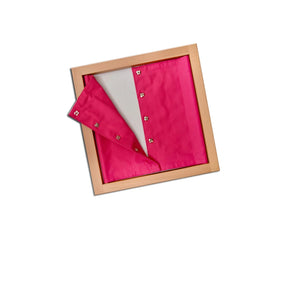
Practical Life activities are the cornerstone of early Montessori learning, developing concentration, coordination, and a sense of accomplishment. In an Indian household, these can be wonderfully integrated. Imagine your toddler helping to wipe the dining table after a meal, pouring water for a small plant, or assisting with simple tasks during festival preparations like arranging diyas for Diwali or sifting lentils. Providing child-sized tools, like a small broom or a tiny pitcher, from SkilloToys' practical life Montessori materials collection, makes these everyday tasks accessible and enjoyable.
Engaging Learning Corners: The 'Work' Space
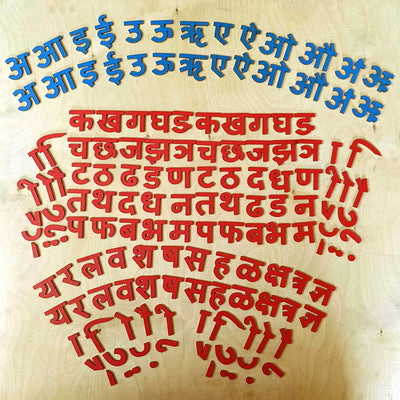
Designating a specific, clutter-free area for your child's 'work' (play and learning) is crucial. This doesn't require a separate room; even a small mat in a corner can serve the purpose. Rotate materials regularly to keep things fresh and engaging. For a toddler, a simple mat with a few puzzles or blocks is perfect. As they grow, you might introduce foundational Montessori learning activities like `sandpaper letters` for tactile letter recognition or the `movable alphabet` for early word building. SkilloToys offers a wide range of Montessori method learning materials designed to support these developmental stages.
Connecting with Nature and Culture
Bring the outside in! Simple elements like a small potted plant, natural light, or a view of the outdoors can enrich your child's experience. For Indian families, this also means incorporating cultural elements: seasonal flowers, natural materials like terracotta or cane, and celebrating festivals by involving children in age-appropriate preparations. Letting them help arrange a simple rangoli or decorate for a festival connects them to their roots and environment beautifully.
Simplifying and De-cluttering: Less is More
While the urge to buy many educational toys for toddlers is strong, especially with gifts from loving grandparents during festivals, Montessori advocates for quality over quantity. A few carefully chosen, open-ended materials are far more beneficial than a room full of overwhelming plastic. Rotate toys regularly, keeping only a select few available at any time. This encourages deeper engagement with each item and helps maintain order, crucial for effective child development India-wide.
Respecting the Child: The Role of the Adult
Your role as a parent in a Montessori home is primarily that of an observer and guide. Trust your child's innate capabilities. Instead of constantly directing, offer choices, allow them to make mistakes and learn, and intervene only when necessary. This respect for their budding independence builds confidence and fosters a genuine love for learning. It's about letting your child lead their own developmental journey, with you as their gentle, supportive presence.
Key Takeaways for Your Montessori Home
- Create order with child-accessible low shelves and designated spaces for materials.
- Incorporate practical life activities using child-sized tools for daily chores.
- Designate an engaging 'work' corner with rotating, age-appropriate Montessori materials.
- Connect with nature and Indian culture through natural elements and festival involvement.
- Embrace minimalism: less clutter encourages deeper engagement and concentration.
- Practice respectful observation, allowing your child freedom within boundaries.
FAQ: Montessori at Home for Indian Families
Is Montessori at home suitable for small Indian apartments?
Absolutely! Montessori principles focus on intentionality and order, not space. Low shelves, vertical storage, and regular rotation of materials can create an effective prepared environment even in compact living areas. The key is to optimize the space you have for accessibility and functionality.
How can I involve grandparents in our Montessori approach?
Share your philosophy gently and explain the 'why' behind your choices, focusing on the benefits for the child's independence and learning. Grandparents can be wonderful allies by providing love and support, engaging in practical life activities with the child, or even helping prepare cultural materials for their learning space.
What are essential educational toys for toddlers in a Montessori home?
Focus on simple, open-ended materials that encourage concentration and fine motor skills. Examples include wooden blocks, puzzles with knobs, stacking toys, threading beads, and practical life tools like pouring sets. Avoid overly stimulating, battery-operated toys and prioritize natural materials.
Do I need special furniture for a Montessori home in India?
Not necessarily! While child-sized furniture is ideal, you can adapt what you have. Low tables, cushions on the floor, or even simply moving existing furniture to create an accessible 'yes' space for your child works. The emphasis is on accessibility and independence, which can be achieved creatively with existing resources.
Creating a Montessori home environment in India is a journey of observation, adaptation, and immense joy. It’s about building a foundation for lifelong learning and independence, rooted in love and respect. Explore SkilloToys.com for high-quality, thoughtfully designed Montessori educational toys and materials to support your family's unique path.