Cultural Studies for Indian Homeschoolers: A Montessori Path
Namaste, fellow parents! Are you wondering how to bring the rich tapestry of Indian culture into your child's homeschooling journey, especially with a Montessori approach? You're in the right place. Introducing cultural studies for Indian homeschoolers from an early age is not just about learning facts; it's about nurturing a sense of identity, respect, and connection to the world.
In Montessori, cultural studies is an expansive area that helps children understand their place in the world, connecting them to geography, history, botany, zoology, and the arts. It's about providing concrete experiences that build a foundation for abstract concepts. This works because children learn best by doing and experiencing, not just by listening. Parents can facilitate this by creating an environment rich with opportunities for exploration and discovery.
Understanding Cultural Studies in a Montessori Indian Home
For us in India, with our vibrant traditions, diverse languages, and joint families, cultural studies naturally weave into daily life. Imagine your little one helping Aaji (grandma) make chapati, learning about different spices, or observing the intricate patterns of a rangoli during Diwali. These are all rich cultural experiences.
Beginning with Your Child's World: The Indian Home
The Montessori approach always starts with the child's immediate environment. For Indian homes, this means embracing the everyday.
Daily Life as a Cultural Classroom
Think about your kitchen. When your child helps wash rice for dal, sorts pulses, or peels a vegetable, they are engaging in Practical Life activities that are deeply cultural. These seemingly simple tasks develop concentration, coordination, and a sense of belonging. They learn about Indian food, family routines, and contributing to the household – crucial aspects of child development India values.
Festivals and Celebrations
Our calendar is dotted with festivals – Diwali, Eid, Christmas, Onam, Pongal. Each offers a beautiful opportunity for cultural immersion. Talk about the stories behind them, the special foods prepared, the clothes worn, and the rituals followed. Involve your child in decorating, cooking (age-appropriately), and celebrating. This makes learning tangible and memorable.
Exploring India and Beyond: Geography and History
Once your child understands their immediate family and home, their curiosity naturally expands.
Hands-On Geography for Little Explorers
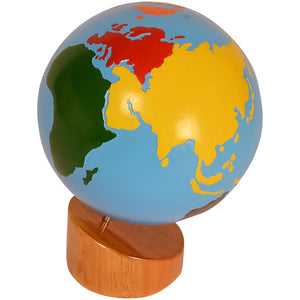
Montessori geography starts with the physical world. Puzzle maps of India, depicting its states and union territories, or even the continents, are wonderful tools. Children learn the names, shapes, and positions of places through touch. You can find excellent Montessori geography materials that bring this to life. Talk about the different languages spoken, the clothing worn, and the famous landmarks in each region.
Stories from Our Past
History for young children is best introduced through stories. Share tales from Indian mythology, folklore, and historical figures like Mahatma Gandhi or Rani Lakshmibai. Show pictures, play traditional music, or even dress up. These narratives foster imagination and a connection to our rich heritage.
Embracing Diversity: Arts, Languages, and Traditions
Cultural studies isn't just about 'us'; it's about understanding and respecting 'them' too.
Art and Music from Across India
Introduce different Indian art forms like Warli painting, Madhubani, or miniature art. Provide simple art supplies and let your child experiment. Play classical Indian music or folk songs from various states. Movement to music is a fantastic way to engage.
Language Immersion at Home
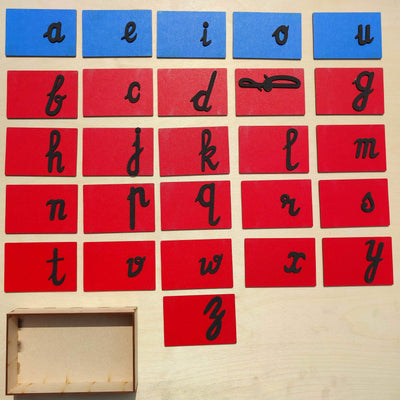
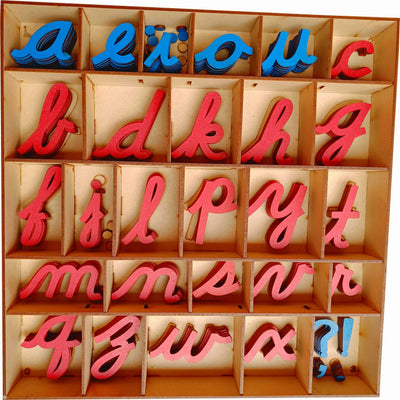
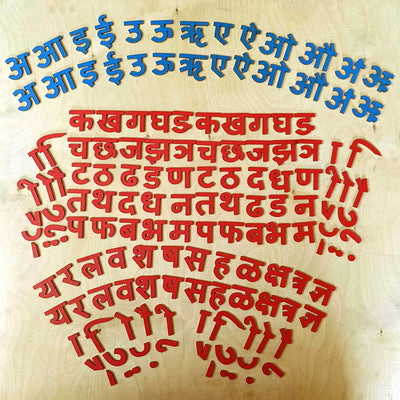
If you're in a multi-lingual Indian household, embrace it! Introduce simple words and phrases from different Indian languages. Even if you speak only one, expose your child to others through songs, books, or apps. The Montessori movable alphabet can be adapted to learn local script, enhancing Montessori learning activities at home. SkilloToys has a wide range of Montessori learning materials that support holistic development.
Cooking and Culinary Exploration
Involve your child in making simple dishes from different Indian states or even other cultures. Rolling out a small chapati, mixing ingredients for a simple salad, or grinding spices (with supervision) can be incredibly engaging and teaches them about food, culture, and practical skills. This also builds their understanding of various cuisines that make up our diverse nation, making it perfect for educational toys for toddlers that foster real-world skills.
Practical Tips for Montessori at Home India
Creating a culturally rich Montessori environment at home doesn't require a large space or expensive materials.
- Observe and Follow Your Child: Pay attention to what sparks their interest. If they're fascinated by trains, explore Indian railways.
- Integrate Local Materials: Use local fabrics for dress-up, local fruits and vegetables for sorting, or traditional clay pots for water pouring.
- Grandparent Power: Grandparents are a treasure trove of cultural knowledge, stories, and traditions. Encourage interaction and learning from them.
- Library Visits: Explore books about different Indian states, festivals, and folk tales.
- SkilloToys Resources: SkilloToys offers a curated selection of Montessori method learning materials and toys designed to support your child's journey, including tools for cultural exploration.
Key Takeaways
- Cultural studies in Montessori helps children understand their place in the world, fostering identity and respect.
- Begin cultural exploration within your Indian home, using daily Practical Life activities and family traditions.
- Introduce Indian geography with hands-on materials like puzzle maps and stories of our heritage.
- Embrace India's diversity through art, music, languages, and culinary experiences.
- Utilize local materials and the wisdom of grandparents to enrich the learning environment.
- Montessori materials support concrete learning for abstract cultural concepts.
Frequently Asked Questions
What age is best to start cultural studies?
You can begin cultural studies from birth by exposing your child to diverse languages, music, and daily cultural practices in your home. Formal introductions to geography or specific traditions typically begin around 2.5-3 years, following the child's readiness.
Do I need special Montessori materials for cultural studies?
While specific Montessori materials like puzzle maps are excellent, you don't need them all. You can start by using everyday items, local materials, books, music, and your family's own traditions to introduce cultural concepts effectively.
How can I make cultural studies engaging for a toddler?
For toddlers, focus on hands-on experiences: cooking simple cultural foods, dressing up in traditional clothes, listening to folk music, looking at picture books about festivals, and involving them in family rituals. Keep activities short, concrete, and fun.
How do cultural studies support overall child development in India?
Cultural studies foster a strong sense of identity, respect for diversity, and a connection to one's heritage. It also develops language skills, fine motor coordination (through practical life), critical thinking, and social-emotional intelligence, all vital for holistic child development India.
Nurturing a global citizen rooted in Indian culture is a beautiful journey. By integrating cultural studies for Indian homeschoolers through the Montessori lens, you’re not just teaching; you’re inspiring a lifelong love for learning and a deep appreciation for the world's richness. Explore how SkilloToys.com can further support your homeschooling adventure.