Cultural Studies for Indian Homeschoolers: The Montessori Way
As Indian parents, we hold a deep desire to pass on our vibrant heritage to our children. Imagine blending this rich cultural tapestry with the child-centred philosophy of Maria Montessori right within your home. It’s not just possible, it's incredibly enriching! Today, we're diving into how to implement cultural studies for Indian homeschoolers using the Montessori approach, creating a truly global and grounded learning experience for your little one.
Montessori cultural studies are an expansive area that helps children understand their place in the world, appreciate diversity, and develop respect for all living things. This works because it moves beyond rote learning, offering concrete, hands-on experiences that engage a child's natural curiosity. Parents can introduce these concepts through stories, hands-on materials, and real-life experiences, fostering a sense of wonder about different cultures, including their own.
Bringing India Home: Montessori Cultural Studies in Action
The beauty of Montessori at home India lies in its adaptability. You don't need elaborate setups; often, everyday items and experiences from your Indian home are perfect learning tools. Here’s how you can weave Indian culture into your Montessori curriculum.
Exploring Our World: Geography & Continents
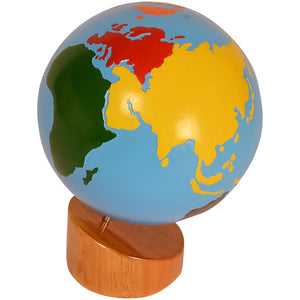
Geography in Montessori begins with the big picture before narrowing down. Start with the globe to introduce Earth and its continents. Once they understand the concept of continents, introduce the political map of India, highlighting your state, city, or village. You can use puzzle maps of India and its states, discussing the diverse languages, foods, and traditional clothing found across our country. These Montessori geography materials are fantastic for helping children understand spatial relationships and cultural differences within India.
Talk about the different landscapes – the Himalayas, the Thar Desert, the coastal plains – and the people who live there. Show pictures of animals native to these regions. This helps build a concrete understanding of their own country and its place in the world, fostering a deep connection to their roots.
Our Vibrant Traditions: Festivals & Food
India is a land of festivals, offering countless opportunities for cultural learning. Whether it's Diwali, Eid, Christmas, or Onam, each festival brings with it unique traditions, foods, and stories. Involve your child in preparations: making simple rangoli patterns with coloured sand or rice, helping to mix ingredients for ladoos, or decorating the home for celebration. These are wonderful Montessori learning activities that engage the senses and build practical life skills.
Discuss the significance of each festival in simple terms. Cook traditional Indian meals together – perhaps making chapatis or grinding spices. These experiences teach about heritage and develop fine motor skills, concentration, and a sense of belonging within the family and community.
People & Community: Family & Professions
The concept of family, especially joint families common in India, is a cornerstone of our culture. Talk about family trees, introduce relatives, and share stories of grandparents and great-grandparents. This helps children understand their personal history and lineage. You can create a simple 'family album' using photos.
Introduce community helpers through real-life observations. A trip to the local market (sabzi mandi), meeting the postman, or seeing the neighbourhood tailor are all chances to discuss professions and their role in society. This expands their understanding of the world around them and fosters respect for everyone's contributions.
Art & Music: Expressing Our Culture
Introduce your child to the diverse art forms of India, from Warli painting to Kathak dance. You don't need to be an expert; simple exposure is key. Listen to Indian classical music or folk songs, sing traditional lullabies, and encourage them to move to the rhythm. Provide safe, natural art materials like clay, natural colours, or even turmeric and kumkum for simple creative expression.
Having a small collection of musical instruments like a tabla or a flute (child-safe versions) can spark interest. These activities foster creativity, self-expression, and an appreciation for aesthetics, which are crucial aspects of child development India.
Practical Life with an Indian Twist
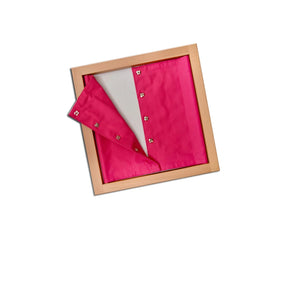
Montessori practical life activities are perfect for integrating Indian culture. Instead of just pouring beans, let them help pour rice or lentils. Show them how to fold a saree or a dhoti (perhaps a smaller cloth first). Introduce them to traditional Indian crafts like stringing beads for a toran or making flower garlands.
Tasks like grinding spices with a small mortar and pestle, or helping to wash small Indian cooking utensils, are not just chores but invaluable learning experiences. These activities develop independence, coordination, and a deep respect for the daily rhythm of an Indian household, providing excellent educational toys for toddlers.
Why Montessori Works for Indian Cultural Education
The Montessori approach, with its emphasis on hands-on exploration and a prepared environment, is uniquely suited to cultural education. It allows children to engage deeply with concepts, rather than merely memorizing facts. By using concrete materials and real-life experiences, it caters to the child's natural developmental stages.
It fosters respect, not just for the materials, but for people, traditions, and the environment. This holistic development ensures that children not only learn about their culture but truly internalize and appreciate its values. It’s about building a solid foundation for informed, compassionate global citizens who are proud of their heritage.
Key Takeaways for Cultural Studies
- Integrate Indian festivals, food, and traditions into daily Montessori practical life activities.
- Use geography materials to explore India's states, landscapes, and diverse communities.
- Involve children in family history and understanding community helpers in their local context.
- Expose children to Indian art, music, and stories to foster cultural appreciation.
- Adapt Montessori principles using local materials and real-life Indian experiences.
- Focus on hands-on exploration to build concrete understanding and respect for culture.
Frequently Asked Questions About Montessori Cultural Studies
What age is best for starting cultural studies in Montessori?
Children can begin absorbing cultural concepts from birth. Simple elements like listening to traditional music or observing family rituals are a great start for infants. Formal introductions using materials can begin around 2.5 to 3 years, aligning with the sensitive period for order and small details.
Can I use everyday Indian materials for Montessori cultural lessons?
Absolutely! Montessori encourages using real, culturally relevant items. Small brass utensils, natural fabrics, traditional wooden toys, spices, and even fresh flowers for garlands are perfect for hands-on exploration and practical life activities in an Indian context.
How do Montessori cultural activities help child development in India?
Montessori cultural activities foster holistic child development by enhancing cognitive skills through geography and history, refining fine motor skills with practical life tasks, and building emotional intelligence through understanding diversity and community. This prepares children to be thoughtful, engaged citizens who appreciate their heritage.
Where can I find Montessori materials relevant to Indian culture?
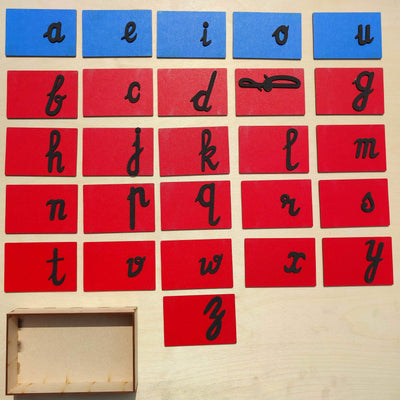
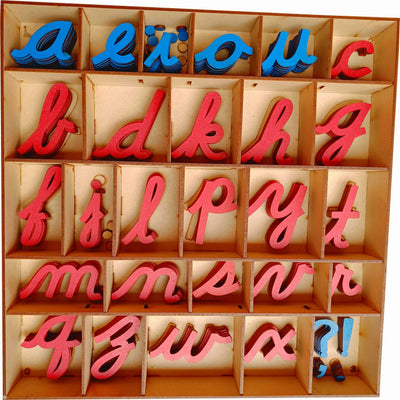
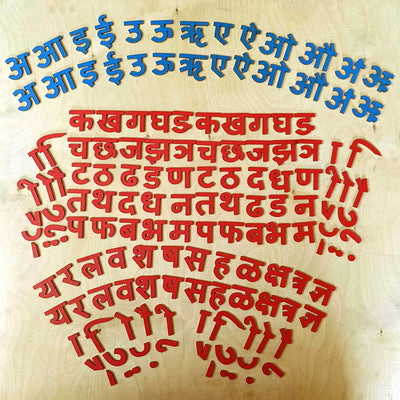
Many traditional Indian toys and crafts can be adapted for Montessori use. For specific geography materials, language tools like the movable alphabet for Indian languages, and other foundational Montessori learning materials, you can explore trusted providers like SkilloToys.com.
Embracing cultural studies the Montessori way is a beautiful journey for your family. By offering these rich experiences, you’re not just teaching facts; you’re instilling a love for their heritage and a profound understanding of the world. For quality Montessori educational toys and materials that support this journey, explore the curated collections at SkilloToys.com.