DIY Montessori Continent Box for Geography at Home
In Indian homes, where storytelling and connection often bridge generations, introducing children to the vastness of our world through play is a beautiful tradition. One fantastic way to foster this curiosity and early geography learning is with a DIY Montessori continent box. This hands-on activity is perfect for curious toddlers and preschoolers, helping them grasp the concept of different continents and their unique features right from your living room, no matter how small!
What is a Montessori Continent Box?
A Montessori continent box is a tactile, hands-on geography material designed to introduce children to the seven continents. It typically involves a box or tray divided into compartments, each representing a continent, and containing small, representative objects or pictures from that region. This works because children learn best by doing and exploring with their senses, making abstract concepts like continents concrete and understandable. Parents can easily create one at home, tailoring it to their child's interests and available materials.
Why Teach Geography Early with Montessori at Home?
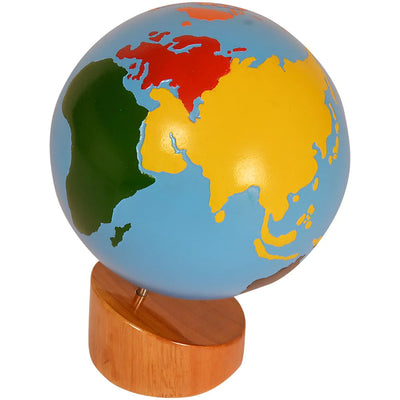
Even before they can read maps, young children have an innate curiosity about the world around them. Montessori learning activities encourage this natural exploration. Introducing geography early, perhaps with a simple Montessori geography puzzle map, helps build foundational knowledge and a sense of global awareness. It’s not just about memorising names; it's about understanding diversity, culture, and our place in the world, which is incredibly relevant in a diverse country like India.
For children aged 3-6, their absorbent minds are primed to take in information from their environment. Presenting continents through a tangible, engaging activity like a continent box makes learning joyful and memorable. This prepares them for more complex geographical concepts later on, supporting their holistic child development.
Crafting Your DIY Montessori Continent Box
Creating a continent box doesn't require fancy materials. You can use items readily available in Indian households, often found during spring cleaning or a trip to the local market!
Materials You'll Need:
- The Box: A shoebox, an old sweet box, or a sectioned tray works wonderfully. You can even use seven small, individual containers if a single box is hard to find.
- Continent Outlines: Print out simple outlines of the seven continents. You can colour them according to the traditional Montessori colour scheme (e.g., Asia green, Africa orange, Europe red, North America yellow, South America pink, Antarctica white, Australia brown).
- Small Objects/Pictures: This is where the fun begins! Gather small items, toys, or printed pictures representing each continent.
Gathering Items for Each Continent (Indian Context):
Think about what you have around you. In a joint family setting, grandparents often have interesting keepsakes that can be repurposed! Here are some ideas:
- Asia (Green): A miniature Taj Mahal, a tiny elephant toy, a picture of a lotus flower, a small fabric piece with an Indian print, a tiny statue of Ganesha, a picture of a rice paddy field.
- Africa (Orange): A small lion or zebra toy, a picture of a pyramid or desert, a piece of patterned fabric resembling traditional African textiles.
- Europe (Red): A tiny Eiffel Tower souvenir, a picture of a castle, a small car toy (representing European automotive history), a miniature doll in traditional European attire.
- North America (Yellow): A small eagle figurine, a picture of the Statue of Liberty, a tiny cowboy hat, a small maple leaf (from Canada).
- South America (Pink): A miniature llama toy, a picture of the Amazon rainforest, a small coffee bean, a colourful feather.
- Australia (Brown): A small kangaroo or koala toy, a picture of the Sydney Opera House, a boomerang-shaped cutout.
- Antarctica (White): A small penguin figurine, a cotton ball (snow), a piece of white fabric, a picture of an ice floe.
Remember, the goal is representation, not perfection. Even simple drawings by older siblings or parents can be delightful additions!
Presenting the Continent Box to Your Child
Once your DIY Montessori continent box is ready, choose a quiet time for its introduction. Sit with your child on a mat or at a low table. Begin by pointing to a continent on the box and saying its name clearly. Then, introduce an object from that continent, discussing what it is and where it comes from. For instance, holding a tiny elephant toy, you might say, "This is an elephant, and you can find elephants in Asia!"
Encourage your child to touch, explore, and manipulate the objects. Don't rush the process. Repeat the names of the continents and objects gently. This activity is about building connections and sparking curiosity, not about memorization. As your child grows, you can gradually introduce more complex educational activity kits that build upon these early concepts.
Tips for Montessori Learning Activities at Home (Child Development India)
- Follow the Child: Observe your child's interest. If they are fascinated by one continent, spend more time there.
- Keep it Simple: Don't overload the box. A few key, representative items per continent are sufficient.
- Rotate Materials: To maintain interest, you can periodically swap out objects in the box, introducing new ones related to festivals or current events (e.g., adding a picture of a specific animal if a wildlife documentary is on).
- Integrate with Stories: Read books about different cultures and places. Link the stories back to your continent box.
- Use Indian Languages: Introduce the names of continents in Hindi or your regional language alongside English for a multilingual approach.
Key Takeaways for Your DIY Continent Box Journey:
- The DIY Montessori continent box is an accessible, engaging tool for early geography learning at home.
- It fosters global awareness and appreciation for diversity from a young age (0-6 years).
- Use readily available Indian household items and local materials for a personalized touch.
- Focus on hands-on exploration and sensory engagement, central to Maria Montessori's philosophy.
- Introduce the material gently, follow your child's lead, and keep the activity joyful and exploratory.
- This activity supports essential child development milestones, including cognitive growth and cultural understanding.
Frequently Asked Questions About Montessori Geography
At what age can I introduce geography to my child?
You can introduce geography concepts as early as 2.5-3 years old, when children begin to show interest in their surroundings and ask about different places. Starting with a tactile material like the continent box makes it engaging for their developmental stage.
Do I need to buy expensive Montessori materials for geography?
Absolutely not! While authentic Montessori materials are excellent, the DIY Montessori continent box proves that effective learning can happen with simple, homemade resources. The philosophy matters more than the specific commercial item.
How often should we use the continent box?
There's no fixed schedule. Offer the continent box as an invitation to learn. If your child is interested, they might revisit it daily for a period. If not, put it away for a few days or weeks and reintroduce it later with fresh enthusiasm.
What if my child doesn't seem interested in the continent box?
It's perfectly normal for children to have varying interests. Don't force it. Try simplifying the presentation, offering fewer items, or linking it to a story or song they enjoy. You can also reintroduce it after some time, as children's interests evolve rapidly.
Embarking on this journey of creating a DIY Montessori continent box is more than just an activity; it's an opportunity to connect with your child and introduce them to the wonders of the world, right from the heart of your home. For further exploration of high-quality educational toys and materials that support the Montessori method, do explore the comprehensive collection at SkilloToys.com.