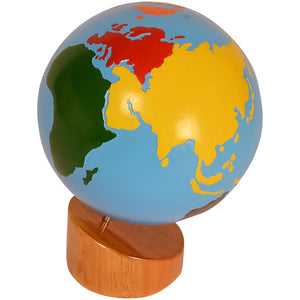
DIY Montessori Continent Box for Geography Learning
Imagine your child’s eyes lighting up as they explore different cultures, animals, and landscapes, all from the comfort of your living room! Creating a DIY Montessori continent box at home is a beautiful way to introduce the vast world to your little one. It's a hands-on, engaging activity that fosters a love for geography and global awareness from an early age, perfectly suited for Indian homes looking to bring Montessori principles to life.
A Montessori continent box is a tactile, engaging tool designed to introduce children aged 3-6 to the seven continents of the world. This works because it appeals to a child's natural curiosity and their need for concrete, sensorial experiences, rather than abstract concepts. Parents can create a version using simple materials to help their child explore world geography through touch, sight, and imagination.
Early exposure to geography does more than just teach names of places; it nurtures an understanding of diversity, cultures, and our shared planet. In a rapidly globalising world, fostering this awareness from toddlerhood is invaluable. It’s a foundational step in holistic child development, encouraging critical thinking and empathy.
Gathering Your Materials: An Indian Home Approach
One of the beautiful aspects of Montessori at home India is the ingenuity of using what's available. You don’t need fancy, expensive items to create a rich learning experience. Look around your home, involve your grandparents for forgotten treasures, or visit your local stationery shop.
Essential Items You'll Need
- A sturdy box or tray with compartments: An old saree box, a shoebox with dividers, or even small baskets will work perfectly.
- Outline maps of the seven continents: You can print these from the internet, trace them, or draw them freehand.
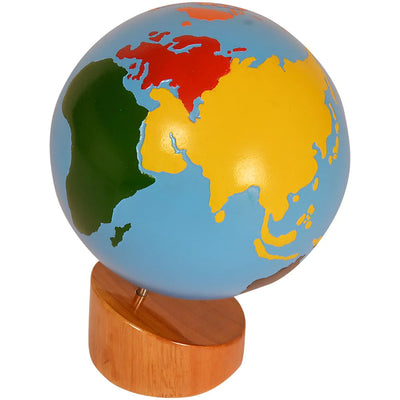
- Coloured paper or paint: Traditional Montessori colours are important for consistency. Each continent has a specific colour (e.g., Asia - yellow, Africa - green, Europe - red).
- Small, representative objects: These are the treasures that make the box exciting! Think miniature animals, flags, spices, fabric scraps, or pictures.
- Basic craft supplies: Glue, scissors, markers, and perhaps some laminated sheets for durability.
If you're looking for inspiration or perhaps some ready-made elements to kickstart your project, explore Montessori geography materials available online. Sometimes, a combination of DIY and curated items can be the perfect balance.
Crafting Your Continent Box: Step-by-Step Fun
Creating this box is an activity in itself, and you can involve your child in age-appropriate ways. This is an excellent example of practical life activities, building fine motor skills and concentration.
Mapping Out the Continents
First, cut out the continent shapes and colour each one according to the traditional Montessori colour code. Asia is yellow, Africa green, Europe red, North America orange, South America pink, Australia brown, and Antarctica white. Glue these coloured continents onto the bottom of each compartment in your box. You can label them clearly for yourself, but the child will learn through association.
Adding Treasure from Each Land
This is where the magic happens! For each continent, gather small items that represent its unique culture, wildlife, or landscape. For Asia, think miniature elephants, spices like cardamom or turmeric, small silk fabric scraps, or pictures of traditional Indian festivals. For Africa, tiny safari animals or patterns. Encourage your child to help you find or make these items. For more hands-on ideas, our activity kits can often spark inspiration for gathering materials.
Engaging Activities with Your DIY Continent Box
Once your box is ready, the real Montessori learning activities begin! Remember to follow the child's interest and keep it simple and fun.
Exploring and Matching
Invite your child to pick an object from a basket and place it on the corresponding continent. Narrate stories about the item: “This is an elephant, and elephants live in Africa and Asia!” For younger children, start with just two or three continents and their items, gradually introducing more. This helps develop visual discrimination and early categorisation skills.
Storytelling and Cultural Exchange
Use the objects as prompts for storytelling. Talk about different cultures, food, and clothes. If you have a joint family, ask grandparents to share stories of their travels or heritage related to a continent. Perhaps an aunt can talk about a dish from Europe, or a cousin can describe their experience with a festival from North America. This enriches the experience with real-life connections, making it a powerful tool for child development India.
Language and Nomenclature
Introduce the names of the continents clearly and slowly. Maria Montessori believed in presenting accurate vocabulary from the start. You can create small labels with the continent names for older preschoolers to match, laying the groundwork for reading and writing. As they grow, you can also introduce the names of oceans and hemispheres.
Making it Work in an Indian Home
Montessori at home India doesn't mean transforming your entire space. This DIY continent box is perfect for small apartments or homes with limited dedicated play areas. It's portable and can be brought out for focused learning time and then stored away. Involve family members; perhaps a grandmother can help find a miniature sari for Asia, or a father can draw a map of India to place within the Asia compartment. This collaborative spirit enhances the learning journey.
Key Takeaways
- A DIY Montessori continent box is an accessible way to teach geography to children aged 3-6.
- It encourages hands-on, sensorial learning in line with Maria Montessori's philosophy.
- Use readily available household items or local craft supplies for an authentic Indian context.
- Activities include matching objects to continents, storytelling, and vocabulary building.
- This educational toy fosters global awareness, cultural understanding, and fine motor skills.
- It is easily adaptable for diverse home environments, including small Indian apartments.
FAQ: Your Questions Answered
What age is best to introduce a DIY Montessori continent box?
The Montessori continent box is typically introduced to children aged 3-6 years. At this age, children have a developing sense of order and a strong absorbent mind, making them eager to categorise and understand their world.
Do I need to buy expensive Montessori materials for this activity?
Absolutely not! The beauty of a DIY continent box is using everyday items and craft supplies you already have or can easily source locally. SkilloToys supports both authentic materials and creative, homemade adaptations for Montessori at home India.
How can I make this activity relevant to Indian culture and context?
Integrate Indian elements by including miniature representations of Indian monuments, traditional clothing, spices, or small idols in the Asia compartment. Share stories about Indian festivals or local wildlife found in different regions of India, connecting global concepts to your child's immediate environment.
How do I introduce the continent box to my child for the first time?
Start with a simple, quiet presentation. Show your child one continent and a few related objects, naming them clearly. Let them explore at their own pace, demonstrating how to place objects without correcting, allowing their natural curiosity to lead the learning process.
Bringing the world to your child’s fingertips through a DIY Montessori continent box is a rewarding journey for both of you. It's an investment in their understanding of the world, fostering curiosity and respect for diverse cultures. For more high-quality educational toys and resources that support your child’s development, explore our collections at SkilloToys.com.