DIY Montessori Continent Box for Home Geography
Imagine the sparkle in your child's eyes as they explore the world, not from a screen, but right from their cozy corner at home. For Indian parents embracing Montessori, creating a DIY Montessori continent box offers a beautiful, hands-on way to introduce geography, even in our bustling apartments or joint family homes.
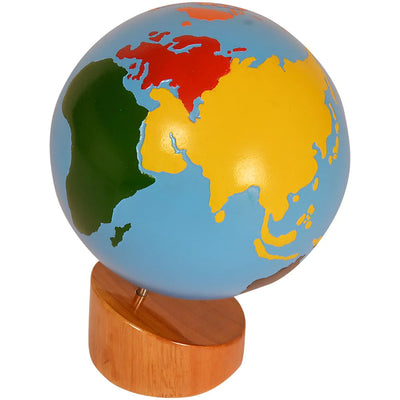
A Montessori continent box is a tactile, engaging tool designed to introduce young children to the seven continents. This works because children learn best through concrete experiences, touching and manipulating objects rather than just listening to abstract concepts. Parents can easily create one using simple materials, making global geography accessible and exciting.
Why Geography Matters Early On (and the Montessori Way)
Maria Montessori believed in giving children a "key to the world." Early exposure to geography isn't just about memorising names; it's about building a sense of place, understanding diversity, and fostering global awareness from a tender age. It helps children grasp that our world is vast and interconnected, laying the groundwork for later studies in history, culture, and environmental science.
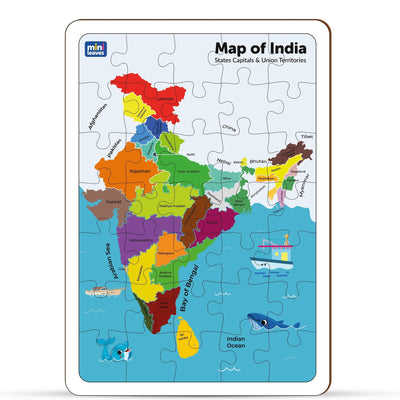
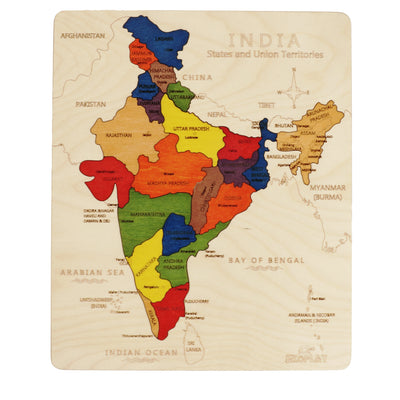
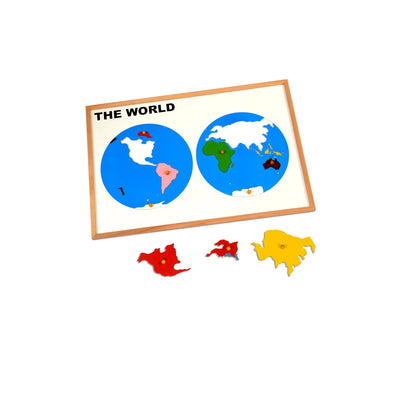
The Montessori approach moves from the concrete to the abstract. Instead of maps alone, children first interact with globes, puzzle maps, and, yes, continent boxes. These materials allow them to physically feel the shape of landmasses and associate them with names and distinct characteristics. For a deeper dive into foundational Montessori learning, explore the wide range of Montessori Method learning materials and toys available.
Creating Your Own DIY Montessori Continent Box: A Step-by-Step Guide
The beauty of DIY is using what you have! Let's get creative with materials easily found in any Indian home.
Gathering Your Materials (Desi Style!)
- The Box: An empty shoe box, a sturdy sweet box (mithai ka dabba), or even a repurposed gift box works perfectly. You'll need one with enough space to create seven distinct compartments.
- Continent Shapes: Sturdy cardboard from old Amazon deliveries, colourful craft paper, or even cut-outs from old newspapers can be used to create the outlines of the continents. You can print templates online or draw them freehand.
- Small Objects: This is where the fun begins! Look for tiny items that evoke a sense of place. For Asia, think miniature elephants, a tiny Buddha statue, or even a star anise spice. For Africa, perhaps a small toy lion or a smooth dark pebble. Europe could have a tiny toy car, Australia a small shell, and so on. Be creative with small toys, natural elements like pebbles or leaves, or even miniatures from your kitchen.
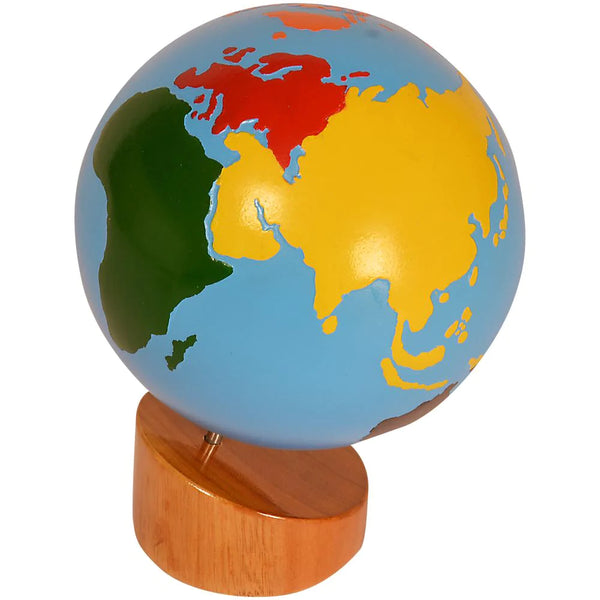
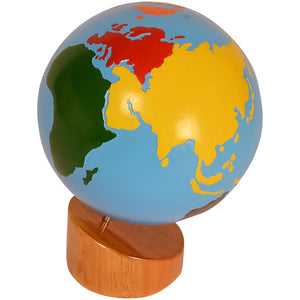
- Colour Coding: While not mandatory for a DIY box, Montessori often uses specific colours (Asia-yellow, Africa-green, Europe-red, North America-orange, South America-pink, Australia-brown, Antarctica-white). Consistency is key – once you assign a colour, stick to it.
- Labels: Small cards with the names of the continents. Write them clearly in English, and perhaps even in Hindi or your regional language for added exposure.
Assembling Your Continent Box
- Prepare the Box: If using a single box, create divisions using cardboard strips to form seven compartments. Alternatively, you can use seven smaller individual boxes placed inside a larger tray.
- Cut and Colour Continents: Cut out the continent shapes. If you're using colours, paint or colour each continent its designated hue.
- Label and Place: Glue each continent shape into its compartment. Write the name of the continent clearly on a small card and place it in the respective compartment.
- Add the Treasures: Carefully place the small, representative objects into their correct continent compartments. Involve your child in this step! Asking, "Where do you think the little camel belongs?" makes it a shared discovery. For more hands-on ideas, explore various activity kits that inspire creativity.
Bringing the World Home: Activities with Your DIY Continent Box
Once your continent box is ready, the real learning journey begins! Remember to follow your child's interest and keep it joyful.
- The Three-Period Lesson: This classic Montessori method works wonderfully. First, "This is Asia." Second, "Show me Africa." Third, "What is this?" (pointing to a continent).
- Matching Games: Take out all the small objects and ask your child to match them back to their respective continents. "Where does the tiny toy kangaroo live?"
- Storytelling Adventures: Use the objects to tell simple stories about children, animals, or cultures from different continents. "Once upon a time, in the vast continent of Africa, lived a magnificent lion..."
- Cultural Integration: Connect the continents to elements of your own life. "This spice, elaichi, comes from plants that grow in parts of Asia, just like India!" Or "During Diwali, we light lamps, and people in other parts of the world celebrate different festivals."
Tips for Indian Parents Practising Montessori at Home
Adapting Montessori principles to the Indian context is both practical and enriching. Montessori geography materials offer a structured way to learn, but DIY brings a unique charm.
- Space-Savvy Solutions: Montessori at home India can be wonderfully adapted to smaller spaces. A DIY continent box is compact and can be stored easily, making it perfect for apartments.
- Involve the Family: Grandparents often have a wealth of stories, experiences, and even small trinkets from travels or their own childhood that can enrich the continent box. Their narratives add a beautiful layer of intergenerational learning.
- Local Resources: Look for materials in local craft stores, kirana shops, or even during your regular market visits. Supporting local businesses and using readily available items makes the activity sustainable and connected to your community.
- Embrace Imperfection: Your DIY box doesn't need to be perfect. The value lies in the process of creating and learning together. This kind of hands-on educational toys for toddlers helps foster holistic child development India in a truly meaningful way, promoting Montessori learning activities beyond the classroom.
Creating a DIY Montessori continent box is more than just a craft project; it's an invitation to explore, imagine, and connect with the world from the comfort of your home. It's a wonderful way to plant the seeds of curiosity and global citizenship in your little one.
For further exploration of Montessori geography or other educational materials, remember to visit SkilloToys.com, where learning is always an adventure.