DIY Montessori Continent Box: Geography Fun for Kids at Home
As Indian parents, we often dream of giving our children the world, quite literally! In our bustling homes, sometimes small apartments, we seek enriching ways to spark curiosity. One beautiful way to do this, deeply rooted in the Montessori philosophy, is through a DIY Montessori continent box. It's a wonderful, hands-on activity that brings global geography right into your child's playroom.
A Montessori continent box is a tactile, engaging tool designed to introduce children to the seven continents. This works because it appeals to a child's natural inclination for hands-on exploration and sensory learning. Parents can easily create one using everyday materials, making global education accessible and fun at home.
Why Geography Matters in Early Years?
From a young age, children possess an innate curiosity about their surroundings and the wider world. Introducing geography early, even before formal schooling, helps foster a sense of place and an understanding of diversity. It's not just about memorising names; it's about developing a global perspective and respect for different cultures, crucial aspects of holistic child development in India.
Dr. Maria Montessori believed in 'Cosmic Education,' where children learn about the interconnectedness of all life. Geography plays a foundational role in this, helping children understand the vastness of our planet and their place within it. It lays the groundwork for later studies in history, science, and cultural appreciation.
Gathering Your Materials: A Desi Touch
Creating your DIY Montessori continent box doesn't require fancy supplies. Look around your home! Old cardboard boxes, shoeboxes, or even sturdy plastic containers can be repurposed. For the contents, think local and resourceful, perhaps involving grandparents in the hunt for interesting items.
The Basic Structure of Your Continent Box
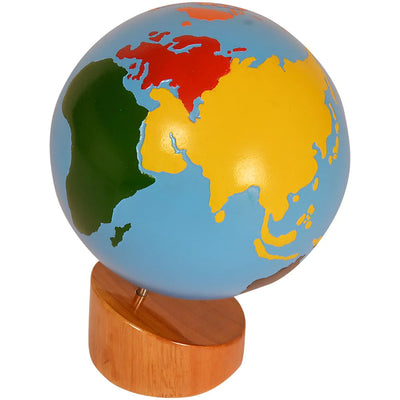
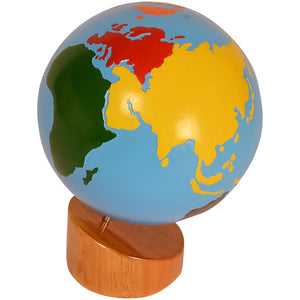
You'll need one main box that can be divided into seven compartments, or seven separate smaller boxes, each dedicated to a continent. While there are standard Montessori map colours for each continent (Asia-yellow, Africa-green, Europe-red, North America-orange, South America-pink, Australia-brown, Antarctica-white/blue), don't stress if you can't match them perfectly for your DIY version. The key is consistency once you assign a colour to a continent.
Populating Your Continent Boxes: Ideas from India
This is where the fun truly begins! Fill each compartment with small, representative items that evoke the essence of that continent. Think about climate, famous landmarks, animals, or cultural symbols. Children learn best through tangible objects they can touch and hold.
- Asia (Yellow): A small bag of turmeric or whole spices (cloves, cardamom), a miniature toy elephant, a picture of the Taj Mahal or a sari, perhaps even a tiny Buddha statue.
- Africa (Green): Small animal figurines like a lion, giraffe, or zebra; a picture of the Sahara Desert or savannah; a piece of colourful patterned fabric resembling Kente cloth.
- Europe (Red): A miniature Eiffel Tower or Colosseum, a picture of a famous European painting, a small toy car, or a piece of 'lace' from an old doily.
- North America (Orange): A small flag of the USA or Canada, a miniature Statue of Liberty, a toy bison, or a maple leaf.
- South America (Pink): A small toy parrot or monkey, a few coffee beans, a picture of the Amazon rainforest, or a miniature 'sombrero'.
- Australia (Brown): A kangaroo or koala figurine, a toy boomerang, a picture of the Sydney Opera House, or a small seashell.
- Antarctica (White/Blue): Cotton balls for snow, a small penguin or polar bear toy, a picture of an ice floe.
While DIY is wonderful, exploring authentic Montessori geography materials can further enrich your child's learning journey. These often include intricately designed maps, puzzles, and flags that offer a deeper dive into each continent's features.
Presenting the Continent Box to Your Child
Once your DIY Montessori continent box is ready, introduce it with wonder and respect. Start by presenting just one continent at a time, especially for younger toddlers. Use the Montessori three-period lesson: Name the continent ('This is Asia'), identify it ('Show me Asia'), and recall ('What is this?').
Allow your child to explore the items within each box freely. Talk about the colours, textures, and what each object represents. This sensory exploration is key to effective Montessori learning activities at home. You can tell stories about the animals, show where the continent is on a globe, or even play traditional music from that region.
Beyond the Box: Extending the Learning
The continent box is just the beginning. Extend the learning by incorporating geography into daily life. Perhaps you can cook a simple dish from a continent you're studying, or look up pictures of festivals celebrated there. Use an atlas or a world map to point out locations as you read books or watch documentaries together.
Remember, the goal is not rote memorisation but fostering an appreciation for the world's diversity and beauty. This hands-on, experiential approach aligns perfectly with Montessori principles, promoting independence and a lifelong love for learning. For other hands-on learning, explore a variety of educational toys for toddlers that support different developmental areas.
Key Takeaways
- A DIY Montessori continent box introduces geography in a tangible, engaging way for young children.
- It fosters a global perspective, cultural appreciation, and understanding of diversity from an early age.
- Use readily available household items and local materials, involving family members in the creation process.
- Populate each continent box with representative objects, focusing on sensory exploration.
- Introduce continents one at a time using the Montessori three-period lesson.
- Extend learning beyond the box through related activities like cooking, storytelling, and map exploration.
FAQ: DIY Montessori Continent Box
What age is best for introducing a continent box?
Children as young as 2.5 to 3 years can begin exploring a continent box, especially when introduced one continent at a time. Their absorbent minds are keen to take in information about the world around them.
How often should we use the continent box?
There's no strict schedule. Follow your child's interest! Some days they might spend a long time, others just a few minutes. Regular, short engagements are often more effective than infrequent, long sessions.
Can I combine continents in one box if I have limited space?
Absolutely! If space is a concern, use a single large box and create clear dividers for each continent. The key is to keep the materials for each continent distinct and organised so your child can easily differentiate them.
What if I don't have many materials for each continent?
Don't worry! Start with just one or two representative items per continent. You can gradually add more as you find them or even draw pictures. The most important aspect is the concept of each unique landmass and its characteristics.
How does this activity support child development in India?
This activity nurtures cognitive development by introducing new concepts and vocabulary, enhances fine motor skills through handling small objects, and fosters cultural awareness critical for a diverse nation like India. It promotes curiosity and a love for learning, which are fundamental for a child's growth.
Creating a DIY Montessori continent box is a journey of discovery for both you and your child. It's a testament to how simple, thoughtful activities can have a profound impact on early learning. For more authentic Montessori materials and educational resources, explore the curated collections at SkilloToys.com.