DIY Threading & Beading Station at Home Montessori
As Indian parents, we often juggle so much – from family commitments to daily chores, all while trying to give our children the best start in life. In the heart of our bustling homes, finding engaging activities that truly nurture our little ones' development can feel like a quest. What if we told you that one of the most effective Montessori learning activities can be created right at home, using everyday items? We're talking about a simple yet profoundly impactful threading and beading station DIY Montessori at home, a delightful way to foster focus and fine motor skills in your child.
A threading and beading station is a dedicated space, however small, where children can engage in the purposeful work of stringing objects. This activity is a cornerstone of Montessori practical life exercises, designed to cultivate independence, concentration, and fine motor precision. It works because it offers a hands-on, self-correcting task that directly appeals to a child's innate desire to explore and master their environment. Parents can set up a basic station with minimal fuss, providing accessible materials that invite exploration and sustained engagement.
Why Threading and Beading Matters: Montessori at Home India
In the Montessori philosophy, pioneered by Dr. Maria Montessori, activities like threading are not just play; they are "work" that builds essential developmental foundations. For children across India, whether in a cozy city apartment or a sprawling joint family home, these activities provide crucial fine motor skill development. This involves the small muscles in the hands and wrists, preparing them for tasks like dressing themselves, holding a pencil, and even eating independently – skills vital for growing up.
Beyond physical development, a threading station nurtures concentration and problem-solving. A child learns patience as they navigate the string through a bead, and experiences the satisfaction of completing a task. This builds self-esteem and fosters a deep sense of accomplishment, laying the groundwork for more complex learning in their future, much like how the movable alphabet or pink tower build literacy and mathematical foundations.
Setting Up Your DIY Threading & Beading Station: The Indian Way
Creating your own threading and beading station doesn't require expensive materials. In fact, many wonderful resources are likely already tucked away in your kitchen or craft drawer. The beauty of Montessori at home India is its adaptability and reliance on simplicity. Remember, the goal is to create an inviting "prepared environment" where your child feels empowered to choose and work.
Materials from Your Indian Home
Think about what's readily available. Large, dried pasta like penne, macaroni, or even carefully smoothed, empty spice boxes (with holes punched safely) can be fantastic "beads." For threading, shoelaces are excellent for beginners, or you can use thick woollen yarn that's been stiffened at one end with tape or glue. Even large buttons, safety pins (under strict supervision for older children), or brightly coloured fabric scraps can be strung onto a sturdy piece of wire or string. Consider collecting natural items too, like large, dry seeds with natural holes or sturdy leaves with pre-punched holes from festivals.
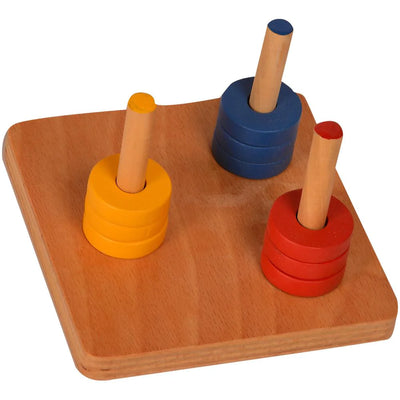
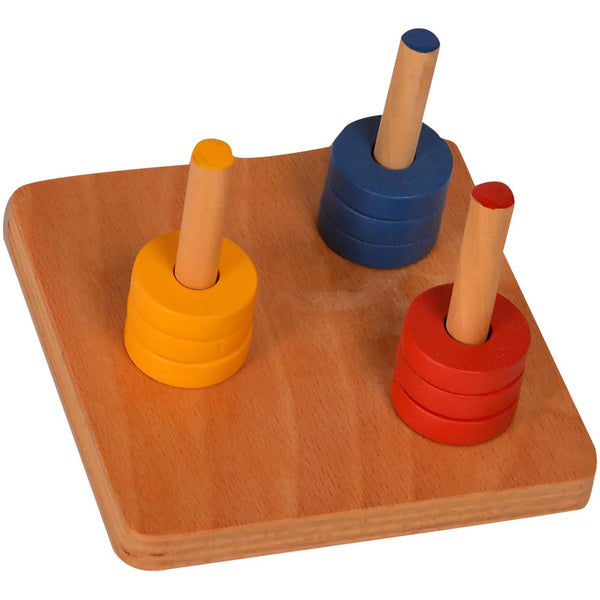
For younger toddlers, you can start with a simple wooden dowel and large wooden rings. As they grow, introduce smaller beads and thinner strings. This progression helps in developing precision and focus, making it a truly valuable practical life Montessori material.
Creating the "Prepared Environment"
The "prepared environment" simply means setting up the activity in a way that is attractive, accessible, and easy for your child to manage independently. Use a small tray, a colourful basket, or even a recycled box to hold the materials. Present only one type of threading activity at a time to avoid overwhelming your child. Place it on a low shelf or mat where they can easily reach it, inviting them to engage. This simple act respects the child's autonomy and encourages self-directed learning.
Supervision is key, especially with younger children, to ensure safety and offer support if needed, but the emphasis is on letting them discover and persist. Grandparents in a joint family setting can also find joy in setting up and observing these stations, creating beautiful intergenerational learning moments.
Age-Appropriate Activities for Little Hands (0-6 Years)
For 18 months to 2.5 years: Begin with very large items and thick strings. Think oversized wooden beads, large pasta, or even cut-up paper towel rolls. A simple, sturdy wooden stick or thick pipe cleaner can be easier to thread onto than a flexible string, providing immediate success and building confidence.
For 2.5 to 4 years: Introduce slightly smaller beads, perhaps chunky plastic or wooden beads, and thicker yarn. This is when children start to master the pincer grasp and refine their hand-eye coordination. Encourage patterns, but don't insist on them initially; the focus is on the act of threading itself.
For 4 to 6 years: Offer smaller beads, intricate shapes, and thinner threads. This age group might enjoy creating necklaces for dolls, bracelets, or even elaborate patterns. They are also ready for more complex Montessori learning activities that involve counting beads or sorting by colour and shape before threading.
Beyond the Basics: Extending the Learning
Once your child masters basic threading, you can introduce variations. Try lacing cards – homemade ones from old cardboard boxes are excellent. You can also explore different types of materials like small wooden blocks with holes, or even make your own salt dough beads and let your child paint them before threading. These extensions keep the activity fresh and continue to develop essential skills like creative expression and problem-solving, further supporting child development in India.
Remember, the goal is not perfection, but participation and growth. Observe your child's interest and adapt the station accordingly. If they lose interest, simply put it away for a while and reintroduce it later with new materials or a fresh presentation.
A simple threading and beading station DIY Montessori at home is more than just an activity; it's an investment in your child's developing mind and hands. It empowers them to learn, focus, and create with joy and independence. At SkilloToys.com, we believe in supporting every Indian parent on their Montessori journey, providing resources and insights to make learning enriching and accessible for every child.