Toddlers Learn Maths with Objects, Not Just Numbers
As Indian parents, we often find ourselves reciting numbers to our toddlers, hoping they'll pick up early math skills. We point to the number 'one' on a book, then 'two', and so on. But have you ever wondered if this is truly how our little ones grasp the vast world of mathematics?
Here's a delightful truth many are discovering: did you know toddlers learn maths through physical objects, not numbers alone? It's a core tenet of the Montessori philosophy, and it makes perfect sense once you see it in action.
What is Concrete Learning for Toddlers?
Concrete learning is simply understanding concepts by interacting directly with physical objects and experiences. For a toddler, abstract numbers like '1', '2', '3' are just symbols. They don't inherently convey the idea of quantity. However, when a child holds one ball, then two blocks, and then three buttons, they begin to form a real, tangible understanding of 'oneness', 'twoness', and 'threeness'.
This hands-on approach is fundamental to how children aged 0-6 years develop cognitive skills. A concept is first experienced through the senses, then internalised, and only much later linked to abstract symbols. This works because a toddler's brain is wired for exploration and sensory input. Parents can support this by providing plenty of opportunities for their child to manipulate objects in their environment.
Why Physical Objects Work Wonders for Toddler Maths
Think about the rich tapestry of an Indian home – the vibrant colours, diverse textures, and array of household items. These are goldmines for concrete learning! Toddlers thrive when they can touch, sort, stack, and compare. This sensorial engagement builds neural pathways that support deeper understanding, far beyond rote memorisation.
Maria Montessori, the pioneer of this educational method, observed that children have an 'absorbent mind' and learn best by doing. Instead of telling them 'three', she offered materials that allowed them to experience three – three distinct items, grouped together. This direct experience forms a solid foundation for all future mathematical understanding.
Imagine your little one helping Aaji (grandmother) sort different sized bangles for an upcoming festival, or arranging small bowls for a puja ceremony. They are naturally engaging with size, quantity, and spatial reasoning. These are real-life Montessori learning activities happening right in your living room!
Concrete Learning in Action: Montessori Mathematics Materials
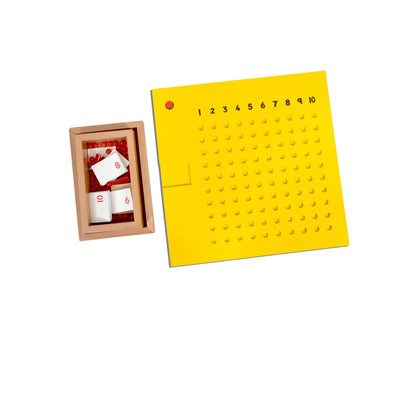
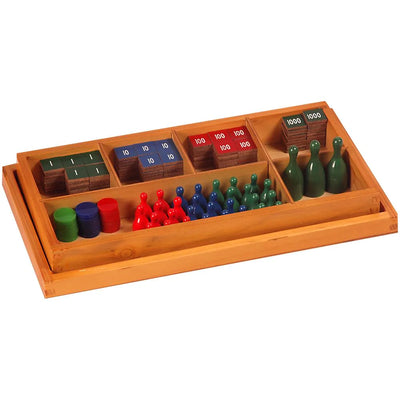
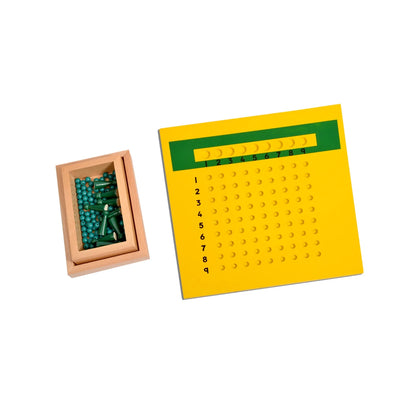
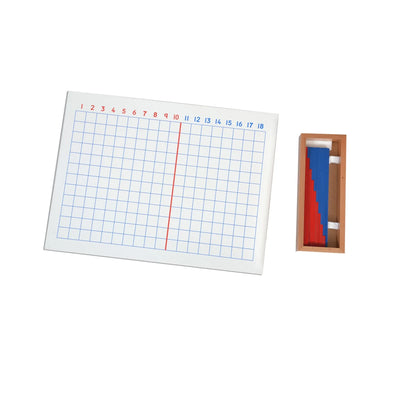
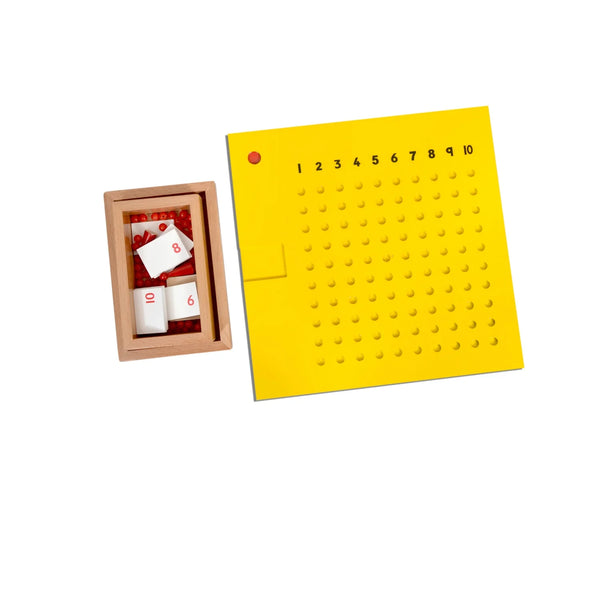
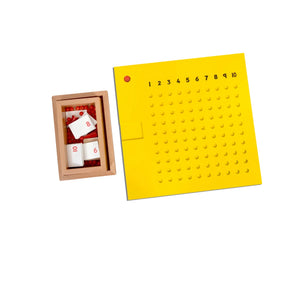
Montessori classrooms, and increasingly Indian homes practicing Montessori at home, utilise specially designed Montessori Mathematics Materials that embody this concrete approach. Take the Number Rods, for example. These rods vary in length, representing quantities from one to ten, and help children physically feel the difference between 'one' and 'ten' long before they write the numerals.
Similarly, materials like Spindle Boxes or the Golden Bead Material allow children to count, combine, and separate quantities in a tangible way. They see that '5' is made up of five individual units, and they can physically carry 'ten' golden beads. This concrete experience of quantity is invaluable for building early math skills, fostering a genuine love for numbers.
At SkilloToys.com, we believe in providing children with the best tools for their developmental journey. Our range of Montessori learning materials is carefully curated to support this hands-on, self-directed exploration, right here in India.
Simple Montessori Learning Activities at Home for Early Math Skills
You don't need elaborate setups to foster this learning. Many everyday items around your home can become powerful educational toys for toddlers. Here are a few ideas:
- Sorting Sensations: Ask your child to sort different coloured pulses (dal) or buttons into separate small bowls. This teaches classification and sets the stage for data analysis.
- Counting Treasures: Gather a collection of small, safe items – maybe pebbles from the garden, beads, or even small shells. Guide your child to count them out one by one, touching each item as they count. Counting the number of family members at the dinner table or the steps on the stairs are also excellent opportunities.
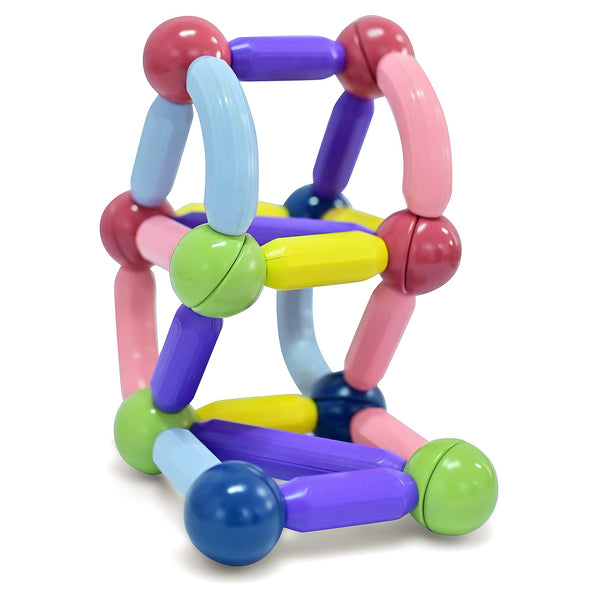
- Pattern Play: Use beads, blocks, or even pieces of fruit to create simple patterns (e.g., apple, banana, apple, banana). Encourage your child to complete the pattern. Our wooden toys are fantastic for this kind of pattern work!
- Practical Life Math: Involve them in daily chores. How many rotis do we need for lunch? How many cups for tea? This integrates math naturally into their world.
Fostering Child Development in India through Play
This hands-on approach is not just about teaching maths; it's about holistic child development. When toddlers engage with physical objects, they also refine their fine motor skills, develop concentration, problem-solving abilities, and spatial awareness. It's a multi-faceted learning experience that supports their overall growth.
In many Indian joint families, grandparents often play a vital role, patiently demonstrating these skills through traditional activities like stringing flowers for a garland or counting vegetables at the market. These informal, yet profound, interactions are perfect examples of concrete learning in action, deeply rooted in our culture.
Remember, the goal is to make learning joyful and intuitive. Observe your child, follow their interests, and trust in their innate ability to absorb and understand the world around them.
At SkilloToys.com, we are passionate about empowering Indian parents to nurture their child's potential through thoughtfully designed Montessori-inspired materials. Embrace the power of physical objects and watch your toddler's understanding of maths blossom naturally!