Dr. Maria Montessori: Italy's First Female Doctor & Education Pioneer
Imagine a time when women rarely pursued higher education, let alone dared to dream of becoming doctors. Yet, in late 19th century Italy, one extraordinary woman broke those barriers with remarkable determination. So, did you know Maria Montessori was the first female doctor in Italy? This incredible fact isn't just a historical footnote; it's the very foundation of the revolutionary educational philosophy we cherish and bring into our homes today.
Maria Montessori's medical background as a physician is profoundly significant because it grounded her educational approach in rigorous scientific observation and an unparalleled understanding of human development. This works because her training allowed her to see children not just as empty vessels to be filled, but as complex beings with innate developmental needs and incredible potential, much like a doctor understands the body's natural processes for healing and growth. Parents can embrace this by observing their own child's natural inclinations and creating an environment that supports their unique journey, whether in a bustling joint family home or a cozy city apartment.
A Doctor's Eye on Child Development
Before she became a household name in education, Maria Montessori was Dr. Montessori, working with children facing various developmental challenges. Her time at psychiatric clinics, particularly with children labelled 'deficient,' profoundly shaped her views. Instead of seeing their limitations, she observed their natural curiosity and an intrinsic drive to learn, often stifled by their environment. She realised that many of their 'medical' issues were, in fact, pedagogical.
Her medical training instilled in her a meticulous approach to observation and experimentation, a method she seamlessly transferred to the classroom. She approached education not as a theoretical exercise, but as a scientific endeavour to understand and meet the child's true needs. This is where the core of the Montessori Method truly began to form. At SkilloToys, we see how these scientifically designed Montessori learning materials empower children to explore and develop their cognitive and motor skills naturally.
From Clinic to Classroom: The Birth of a Revolution
Dr. Montessori's groundbreaking work led her to open the first Casa dei Bambini (Children's House) in 1907 in Rome. Here, she applied her medical insights, treating the classroom like a laboratory and the children as her little scientists. She designed a 'prepared environment' where children could freely choose activities, develop concentration, and learn at their own pace. This wasn't about teaching them what to think, but how to think, how to explore, and how to master their own world.
Her medical background gave her an unparalleled appreciation for the developmental stages of a child, the importance of sensorial experiences, and the link between physical activity and intellectual growth. She understood that a child's hands are the instruments of their intelligence, guiding them to explore and understand the world around them, much like our children in Indian homes love to explore different textures, sounds, and tastes during festivals.
The Montessori Method: A Scientific Approach to Nurturing
The Montessori Method, born from a doctor's keen observation and scientific methodology, views the child as a whole individual – mind, body, and spirit. It champions concepts like the 'absorbent mind,' where children from birth to six effortlessly absorb information from their environment, much like a sponge. This period is crucial for setting the foundation for future learning and development.
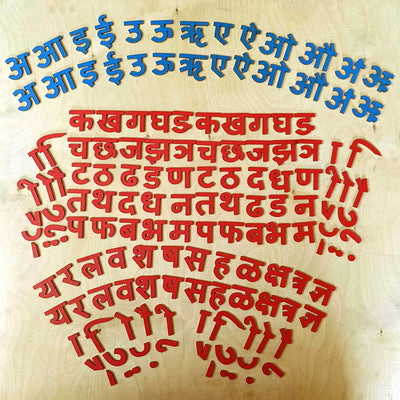
Her work highlighted the need for purposeful activities that engage children's senses and build concentration. From the precision of Montessori language materials like the movable alphabet, which helps children deconstruct and reconstruct words, to practical life exercises, every element is designed to foster independence, coordination, and an internal sense of order. This approach directly contributes to healthy child development India, giving children the tools they need to thrive.
Practical Applications for Indian Homes
Applying Dr. Montessori's insights in an Indian home means fostering independence and respect for the child. Consider creating a 'prepared environment' in your small apartment, perhaps a dedicated corner with low shelves and accessible educational toys for toddlers. Involve your child in daily household activities, whether it's helping sort lentils, fold clothes, or prepare simple snacks. These practical life skills are fundamental to the Montessori approach and fit perfectly into our cultural emphasis on community and shared responsibility.
Observation, a key medical skill, becomes your superpower as a parent. Watch your child's interests and energy, and provide materials that meet those needs. This isn't about expensive toys; it's about providing purposeful engagement. Even grandparents can become wonderful Montessori guides, sharing stories, involving children in traditional crafts, and helping cultivate a sense of wonder and connection to our roots. This is the essence of Montessori at home India.
Empowering Children, Just Like Dr. Montessori Envisioned
Maria Montessori's journey from being Italy's first female doctor to an educational visionary is a testament to her profound understanding of humanity. She showed us that by trusting children's innate abilities and providing them with the right environment, we can unlock their extraordinary potential. Her legacy, steeped in scientific rigour and deep empathy, continues to inspire parents globally to nurture confident, capable, and compassionate individuals.
Think of iconic Montessori materials like the Pink Tower, which teaches concepts of size and sequence, or the Sandpaper Letters, which introduce literacy through touch. These are not just toys; they are scientifically designed tools that honor the child's natural drive for self-education. By embracing her principles, we empower our children to be independent thinkers and active participants in their own learning journey, just as she empowered children over a century ago.
Key Takeaways
- Maria Montessori's Pioneering Role: She was the first female doctor in Italy, breaking significant barriers in the late 19th century.
- Scientific Foundation: Her medical background provided a scientific, observational basis for her educational theories, focusing on child development.
- Observation is Key: Dr. Montessori's approach emphasized observing children to understand their innate needs and natural learning tendencies.
- Prepared Environment: The Montessori classroom (and home) is designed as a 'prepared environment' that supports self-directed learning and exploration.
- Holistic Child Development: The Montessori Method fosters cognitive, physical, emotional, and social growth by respecting the child as a complete individual.
- Empowerment through Independence: Montessori education encourages independence, concentration, and practical life skills, empowering children to learn at their own pace.
FAQ: Understanding Dr. Montessori's Legacy
Why is Dr. Montessori's medical background so important to her educational method?
Her medical training instilled a scientific, observational approach to understanding children. It allowed her to view child development through a biological and psychological lens, leading her to design an educational system that catered to a child's natural developmental stages and inherent drive to learn, rather than imposing external structures.
How does the Montessori Method benefit my child's overall development?
The Montessori Method fosters holistic development by encouraging independence, concentration, problem-solving skills, and a love for learning. It respects the child's individual pace, promoting self-discipline and an internal motivation for learning, which are crucial for success in all aspects of life.
Can I really apply Montessori principles effectively in a regular Indian home?
Absolutely! Montessori at home in India focuses on creating a child-friendly environment, encouraging practical life skills (like helping with chores), fostering independence, and observing your child's interests. You don't need special equipment; everyday items and a mindful approach work wonders.
What are some Montessori materials that reflect her medical insights into learning?
Many Montessori materials, such as the sensorial materials (Pink Tower, Broad Stair), Sandpaper Letters, and the Movable Alphabet, are direct reflections of her medical insights. They are designed to isolate concepts, engage the senses, and cater to the child's developmental planes, allowing for hands-on, self-correcting learning.
At SkilloToys.com, we are inspired by Dr. Maria Montessori's pioneering spirit and her scientific approach to understanding children. We curate educational toys and materials that reflect her profound insights, helping you bring the benefits of this remarkable method right into your home, nurturing the future of India's children.