Following the Child: What it Means for Indian Parents
As Indian parents, we often hear the Montessori phrase "following the child" and might wonder what it truly entails in our unique cultural context. Is it about letting children run wild? Does it contradict our traditional values of respect and discipline? Absolutely not! This beautiful principle, introduced by Dr. Maria Montessori, is about deeply understanding and respecting your child's natural developmental journey. It's a journey of observation, trust, and gentle guidance that can truly transform everyday Indian parenting.
Following the child is a pedagogical approach where the adult observes and responds to a child's unique developmental needs, interests, and natural pace, rather than imposing a rigid adult agenda. This works because children are inherently driven to learn and grow, and when we honour their intrinsic motivation, learning becomes joyful and profound. Parents can practice this by creating a supportive environment and offering choices that resonate with their child's current stage of development.
Understanding 'Following the Child' in Our Indian Context
In the vibrant tapestry of Indian homes, whether in a bustling joint family or a cozy nuclear setup, observing your child might seem like a luxury. Yet, it's the very foundation of following the child. It means taking a moment to notice what your little one is truly interested in – is it the intricate patterns on your grandmother's saree, the rhythmic sounds of the pressure cooker, or the way Dadi sorts vegetables? These are clues to their innate curiosities and sensitive periods.
Respecting their individual pace is crucial. Just as every mango tree bears fruit in its own time, every child reaches milestones at their unique rhythm. Forcing a child to read or write before they are ready, or pushing them into activities they show no interest in, can stifle their natural enthusiasm. Instead, observing their readiness and offering appropriate Montessori learning materials can make a world of difference for their overall child development in India.
Creating a Prepared Environment at Home (Indian Style!)
A "prepared environment" is not about buying expensive furniture; it's about thoughtful arrangement. In an Indian home, this means creating child-accessible spaces where your little one can safely explore and engage. Can they reach their water bottle? Is there a low shelf for their books or educational toys for toddlers? Consider involving them in daily chores, a cornerstone of practical life activities.
Think about a small broom they can use to sweep their own mess, a child-sized pitcher for pouring water, or helping you sort spices or lentils for cooking. These simple activities, often overlooked, are rich in learning opportunities. For families in small apartments, creativity is key: designate a 'Montessori corner' or use existing furniture to create accessible zones, integrating elements that reflect Indian culture, like sorting colourful bangles or playing with natural materials like stones and leaves.
Freedom Within Limits: A Balancing Act for Indian Families
The concept of "freedom within limits" is particularly relevant for Indian parenting. It's not about letting children do whatever they please; rather, it's about providing choices within safe and respectful boundaries. For instance, a child can choose which outfit to wear from two parent-approved options, or decide if they want to help with setting the table or watering the plants.
These limits teach respect for family rules, safety, and the rights of others, values deeply cherished in Indian culture. When a child learns to navigate these boundaries, they develop self-discipline and an understanding of their role within the family and community. This balance fosters independence while honouring our cultural emphasis on respect for elders and shared responsibilities.
Nurturing Intrinsic Motivation with Montessori Learning Activities
When children are free to follow their interests, their intrinsic motivation soars. Have you noticed how your child can spend endless minutes stacking their wooden blocks or engrossed in sensory play with sand and water? These are moments of deep concentration and learning. Provide simple, engaging Montessori learning activities that encourage this focus.
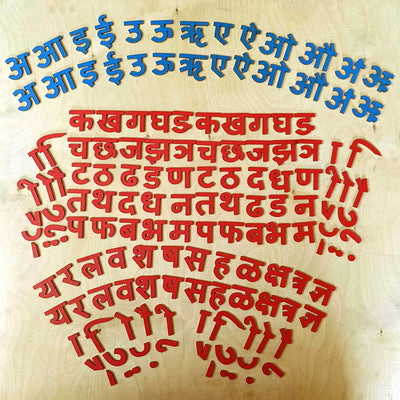
For a young child, this could be transferring grains with a spoon, dressing up a doll, or arranging small objects. For older toddlers, activities like using sandpaper letters, working with a movable alphabet, or simple counting games can be incredibly engaging. These hands-on experiences are far more impactful than rote learning, nurturing a lifelong love for discovery and aiding comprehensive child development in India.
Embracing the Journey: Patience and Trust
Adopting the "following the child" approach is a journey that requires patience and trust – trust in your child's innate capabilities and trust in your own observations. It might mean allowing a bit more mess during a painting activity or letting them take their time to master a new skill like buttoning their shirt, even if it delays your morning routine. In multi-generational Indian households, grandparents can be wonderful allies, often naturally embodying patience and wisdom that supports this philosophy.
Embrace the moments of quiet observation, celebrate their small victories, and adapt the Montessori principles to fit your family's unique traditions, whether it's preparing for Diwali or helping with a family meal. It's about empowering your child to become a confident, independent, and respectful individual, deeply rooted in their cultural heritage.
By truly understanding and implementing "following the child," Indian parents can create a home environment that fosters genuine learning, independence, and a deep sense of belonging. At SkilloToys.com, we believe in supporting this journey with high-quality, authentic Montessori method learning materials designed to inspire and empower your child's natural curiosity and growth.