Geography Lessons with Montessori Puzzle Maps
As Indian parents, we often juggle busy schedules while nurturing our children's curiosity about the world. Homeschooling offers a beautiful opportunity to tailor learning to your child's pace, and introducing geography can be incredibly fun and intuitive, even for the youngest learners. Imagine your little one's delight as they explore the vastness of our planet, right from your living room, with engaging Montessori puzzle maps.
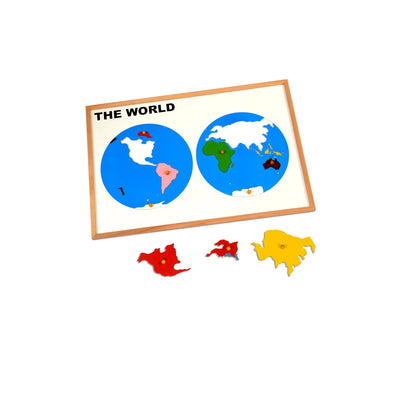
What exactly are Montessori puzzle maps? These unique educational tools are wooden puzzles where each piece represents a country or a continent. Unlike traditional jigsaw puzzles, each piece is isolated by a knob, allowing children to easily grasp and manipulate them. This design helps children understand the distinct shape and location of each geographical area through direct sensorial experience.
Montessori puzzle maps are designed based on Dr. Maria Montessori's principles of concrete learning before abstract concepts. This works because children aged 3-6 years are in a sensitive period for order and developing their senses, making physical manipulation of these maps highly effective for internalising geographical concepts. Parents can introduce these maps as a playful exploration, sparking an early interest in world cultures and landscapes.
Making Geography Fun with Montessori at Home India
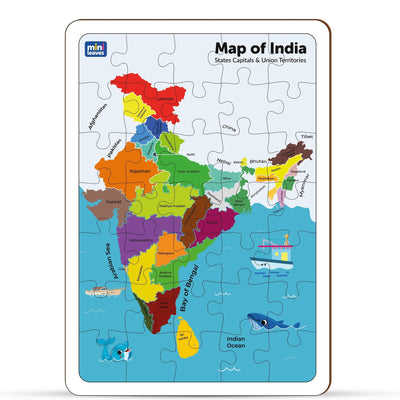
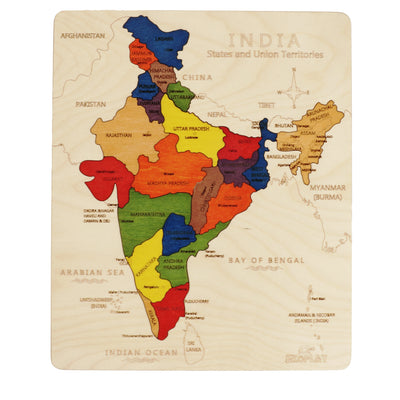
Setting up a dedicated learning space in an Indian home, whether a sprawling joint family residence or a cozy apartment in Bengaluru, is key. Even a small rug in a quiet corner can become your child's 'geography lab.' Present the puzzle map, perhaps starting with the map of India or Asia, and allow your child to explore freely, tracing the borders with their fingers. Remember, observation is your most important tool; let their interest guide the pace.
Connecting geography to real-life experiences makes it truly meaningful for Indian children. Point out your native state on the map, talk about visiting grandparents in another city for Diwali, or discuss the different languages spoken across India. Sharing stories about regional foods or clothing styles when you identify a state helps children relate the abstract shapes to their own rich cultural context, fostering a deeper understanding of child development in India and a love for diversity.
Engaging Activities with Montessori Geography Materials
Start by simply letting your child explore the pieces of our Montessori geography materials. They can lift out each country, feel its shape, and return it. This repetitive action is not just play; it's a foundational exercise in developing fine motor skills, hand-eye coordination, and visual discrimination, essential for early learning.
Once they are familiar with the shapes, you can gently introduce the names of the countries or continents. Use a simple three-period lesson: 'This is Asia,' 'Show me Asia,' 'What is this?' Beyond mere naming, tell short, engaging stories about a famous animal from Africa, a vibrant festival from Europe, or the mighty Himalayas in Asia. This connects the geographical shape to cultural knowledge, expanding their vocabulary and igniting curiosity about the world's people and places.
For older preschoolers, invite them to trace the puzzle pieces onto paper. They can then colour these outlines, perhaps using the standard Montessori colours for continents or choosing their own. This activity not only reinforces the shapes but also prepares their hand for writing and encourages artistic expression, making it a great Montessori learning activity.
Beyond the Puzzle: Expanding Geographical Horizons
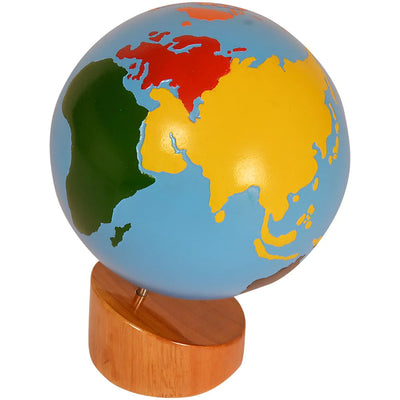
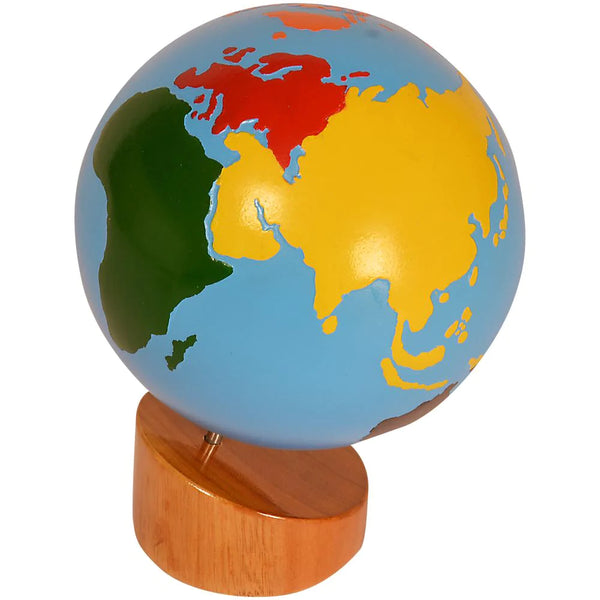
The journey doesn't end with the puzzle maps. Introduce a sandpaper globe to give a tactile sense of land and water. Later, you can use a coloured globe that matches the colours of the continent puzzle maps, creating a seamless transition from concrete to more abstract understanding. This multi-sensory approach solidifies learning and makes geography tangible.
The learning extends beyond geography itself. Combine these lessons with language arts by using a movable alphabet to spell out country names after your child has confidently identified them on the map. SkilloToys offers a wide range of Montessori learning tools that seamlessly integrate different areas of development. This interdisciplinary approach strengthens literacy skills while reinforcing geographical knowledge, demonstrating the holistic and interconnected nature of Montessori education.
Cultivating Global Citizens from Your Home
Montessori geography lessons are not just about memorizing names; they are about fostering global awareness and respect. Discuss how people live differently across continents, the unique foods they eat, or the music they create. This helps young children appreciate diversity and understand our interconnected world, preparing them to be compassionate and informed global citizens.
In many Indian families, grandparents play a pivotal role in a child's upbringing. Invite them to share their own travel stories, knowledge of different states, or memories of their ancestral villages while looking at the map. This intergenerational sharing adds immense value and personal connection to the geography lessons, making learning a cherished family activity.
Engaging with Montessori puzzles like these puzzle maps significantly contributes to a child's cognitive development. They learn spatial reasoning, problem-solving, and develop an understanding of scale. More importantly, they cultivate a sense of wonder and respect for the diverse world we live in, right from your Indian home.
Introducing geography through Montessori puzzle maps is a powerful way to broaden your child's horizons and foster a lifelong love for learning. SkilloToys.com offers a curated selection of authentic Montessori geography materials and puzzles, designed to support your homeschooling journey and help your child discover the wonders of our world.