Grandparents Supporting Montessori Parenting at Home in India
The unique fabric of Indian families often means grandparents are not just visitors but integral members of the household. Their wisdom, stories, and unconditional love create a rich environment for children. When parents choose the Montessori path, a beautiful opportunity arises for how grandparents can support Montessori parenting at home in India, blending traditional values with modern, child-centric education.
Montessori parenting is an approach centered on fostering a child's natural curiosity and independence through a prepared environment. This works because it respects the child as an individual learner, allowing them to explore and discover at their own pace. Parents can empower their children by providing purposeful activities and a supportive space where they can thrive, rather than constantly intervening.
Bridging Generations with Understanding
One of the first steps is open communication. Grandparents might have grown up with different parenting styles, focused more on direct instruction or assistance. Gently explaining the core Montessori principles – like 'help me to do it myself' – can make a huge difference. Share how allowing a child to struggle a little before succeeding builds confidence and resilience, crucial for their child development in India.
Creating a Montessori-Inspired 'Prepared Environment'
Indian homes, whether sprawling or cozy apartments, can be adapted. The 'prepared environment' simply means making things accessible and safe for the child. This could involve creating a low shelf for toys, a small stool for reaching the washbasin, or a designated 'work mat' area for activities. Grandparents can help by decluttering, organizing, and ensuring the child's space is respected and tidy, aligning with the order that Maria Montessori emphasized.
Embracing Practical Life Activities, The Indian Way
This is where grandparents truly shine! Practical Life activities are the cornerstone of Montessori, teaching real-world skills. In an Indian context, these are abundant:
- Kitchen Helpers: A child can help Nani or Dadi wash vegetables for dinner, sift flour for chapatis, or peel garlic (with supervision). These tasks build fine motor skills, concentration, and a sense of contribution.
- Household Chores: Dusting low shelves, watering plants in the balcony, or arranging shoes are simple chores that develop responsibility. Grandparents can model these tasks and invite the child to participate without pressure.
- Festival Preparations: Involve children in making simple rangoli patterns, decorating for Diwali, or helping prepare small sweets for Pooja. These cultural activities are rich learning experiences.
Many practical life Montessori materials available on SkilloToys.com can complement these daily tasks, offering child-sized tools like pouring sets or dressing frames that mimic real-life actions.
The Art of Observation and Respecting Choices
Montessori encourages observation over intervention. Grandparents, with their natural patience, can master this. Instead of immediately helping a child who is struggling to button a shirt or stack blocks, they can observe. This allows the child to problem-solve independently. Offering choices, like "Would you like to wear the blue kurta or the yellow one today?" instead of just dressing them, fosters early decision-making.
Nurturing Language and Culture
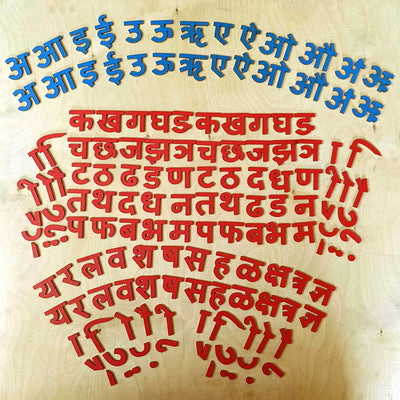
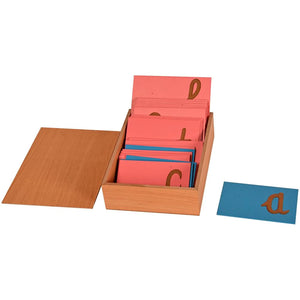
Grandparents are natural storytellers and keepers of tradition. They can teach children their mother tongue, recite shlokas, sing lullabies, and share tales from Indian mythology. This rich linguistic and cultural immersion perfectly complements Montessori's emphasis on language development. Encouraging children to use materials like Montessori learning activities such as Sandpaper Letters or the Movable Alphabet can be a fun way to reinforce sounds and words learned through stories.
Choosing Thoughtful, Educational Toys
While the urge to shower grandchildren with gifts is strong, grandparents can be guided towards selecting educational toys for toddlers that align with Montessori principles. This means open-ended toys made from natural materials, those that encourage concentration and problem-solving, rather than overstimulating, battery-operated ones. Think wooden blocks, puzzles, nesting dolls, or simple art supplies.
Key Takeaways for Grandparents in Montessori Homes:
- Communicate openly: Understand the 'why' behind Montessori principles.
- Prepare the environment: Make parts of the home child-accessible and orderly.
- Embrace practical life: Involve children in everyday Indian household tasks.
- Observe, don't intervene: Allow children to explore and solve problems independently.
- Nurture culture and language: Share stories, songs, and traditions.
- Choose purposeful toys: Opt for natural, open-ended learning materials.
- Be a role model: Demonstrate respect, concentration, and a love for learning.
Frequently Asked Questions
How can I explain Montessori to my grandparents who are used to traditional methods?
Start with simple, relatable examples. Explain that Montessori is about respecting the child and helping them become independent, much like how children in earlier generations learned practical skills by helping elders. Focus on the benefits of self-reliance and confidence.
What if my grandparents want to buy lots of plastic, battery-operated toys?
Gently suggest alternatives that promote concentration and creativity. You could share a curated wish list of Montessori educational toys from SkilloToys.com, explaining how these items foster deeper learning and engagement.
How can grandparents encourage independence without letting the child 'misbehave'?
Independence in Montessori is always within boundaries. Grandparents can set clear expectations for safety and respect while still allowing freedom of choice. This balance teaches children self-regulation and consideration for others.
Can traditional Indian activities be considered Montessori activities?
Absolutely! Many traditional Indian activities, like preparing simple snacks, arranging flowers for pooja, or sweeping the floor, are excellent practical life activities. They provide real-world purpose and help children develop concentration and motor skills, aligning perfectly with Montessori principles.
Grandparents are an invaluable asset in a child's life, and their support for Montessori parenting can create a truly holistic and enriching experience. By working together, generations can weave a beautiful tapestry of learning, independence, and deep cultural connection for the young ones at home. Explore more resources and age-appropriate learning materials at SkilloToys.com.