Handling Sibling Rivalry: Montessori Principles at Home
In many bustling Indian homes, whether in joint families or cosy apartments, sibling squabbles are a common tune. Parents constantly seek ways to foster a loving environment where little ones can thrive together. If you've wondered how to handle sibling rivalry with Montessori principles at home, you're in the right place. The Montessori approach offers a gentle yet powerful framework to guide your children aged 0-6 towards mutual respect and understanding.
What is sibling rivalry from a Montessori perspective? It's often a natural expression of a child's developing self, their need for attention, and desire for resources. Children aged 0-6 are exploring their place in the family unit. Parents can view these conflicts as opportunities for children to learn vital social-emotional skills like negotiation, empathy, and problem-solving.
Cultivating a Prepared Environment for Peace
Just as we prepare a child's space for focused learning, we can prepare it to minimise conflict. In Indian homes, this means designated 'activity zones' or accessible storage for each child's belongings. Reducing competition for resources helps foster a calmer environment.
Respecting Each Child's Unique Path
Maria Montessori observed that every child is an individual with their own developmental timeline. Avoid comparing siblings, whether about walking first or speaking clearly. Celebrate each child's unique strengths, from stacking the Pink Tower to joy in Diwali festivities.
Fostering Independence and Self-Reliance
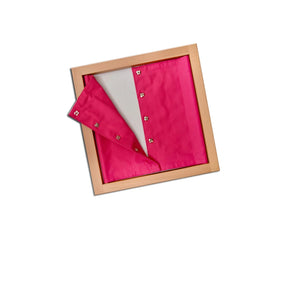
Montessori principles advocate for children's independence. When children manage their own needs – like choosing clothes or tidying – they feel empowered. This empowerment translates into fewer demands on parents and less friction between siblings. Our collection of Practical Life Montessori materials offers excellent tools for these crucial life skills.
Teaching Grace and Courtesy in Action
In a Montessori environment, children learn 'grace and courtesy' – polite ways to interact, ask for help, or wait their turn. At home, model respectful communication and teach children how to ask for a shared toy. Practise these lessons daily, perhaps during family mealtimes.
Encouraging Collaborative Play
While individual work is important, providing opportunities for children to work together is vital for child development in India. Offer open-ended materials like building blocks or art supplies that invite shared play. A larger, shared set of educational toys for toddlers encourages negotiation and joint creativity over separate sets.
The Role of the Parent: Observer and Guide
Montessori parents are 'guides'. When sibling rivalry flares, step back and observe initially. Are children genuinely distressed, or capable of working it out? They often need space to develop conflict resolution skills, with intervention only when necessary.
Using 'I' Statements and Active Listening
When intervention is needed, teach children to express feelings using 'I' statements ('I feel sad when you take my block'). Listen actively to both sides without taking sides. Help them brainstorm solutions together, respecting autonomy and teaching communication skills.
Creating a Culture of Contribution
In Indian households, contributing to the family unit is deeply ingrained. Involve both children in age-appropriate household tasks, like folding clothes or watering plants. This shared responsibility helps children see themselves as valuable team members, reducing competition. Explore our Montessori learning materials for supportive activity ideas.
Choosing the Right Materials for Harmony
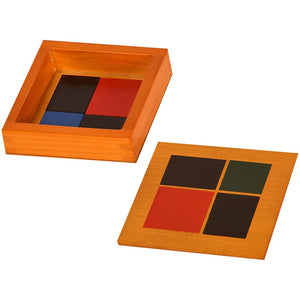
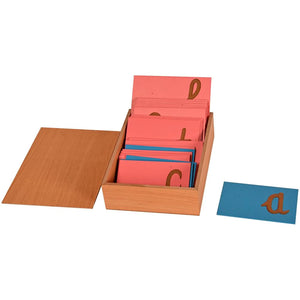
The materials children engage with significantly impact their interactions. Provide self-correcting and engaging materials, reducing constant adult intervention and potential squabbles. Materials from the main Montessori method learning materials and toys collection are designed to hold attention, allowing for independent engagement and reduced friction.
Key Takeaways
- View sibling rivalry as a learning opportunity.
- Prepare a conflict-minimising home environment.
- Respect and celebrate each child's individuality.
- Foster independence and practical life skills.
- Model and teach grace and courtesy.
- Encourage collaborative play with shared materials.
- Act as an observer and neutral guide in conflicts.
- Teach effective communication like 'I' statements.
- Involve children in family contributions.
- Choose self-correcting Montessori materials for harmony.
Frequently Asked Questions
How can I prevent sibling rivalry from getting out of hand?
Prevention starts with observation and preparation. Ensure each child has their own personal space or designated activity area, and model respectful behaviour consistently.
My younger child always wants to play with the older child's specific Montessori materials. What should I do?
Teach the younger child to ask permission, and the older child to set boundaries for their Montessori materials. Provide ample engaging activities for the younger sibling to redirect their focus.
How do Montessori principles help with attention-seeking behaviour between siblings?
Montessori encourages independent, purposeful work which naturally reduces attention-seeking. Additionally, ensure both children receive dedicated, individual 'connection time' with you daily.
Is it okay for siblings to have separate sets of educational toys for toddlers?
While sharing is vital, individual educational toys for toddlers can reduce conflict over popular items. For core Montessori materials, one set can teach valuable lessons in turn-taking and care.
Embracing Montessori principles offers a beautiful path to navigating sibling rivalry, transforming potential battles into lessons in empathy, respect, and cooperation. This journey fosters peaceful coexistence and joyful learning. Explore SkilloToys.com for authentic Montessori learning materials that support your home environment.