Handling Sibling Rivalry: Montessori Principles for Harmony
Ah, the sounds of home! Laughter, chatter, and sometimes… the spirited protests of siblings vying for attention, a favourite toy, or simply their space. For many Indian parents navigating modern life, especially in bustling cities where apartments might be cozier, figuring out how to handle sibling rivalry with Montessori principles at home can feel like a quest for the holy grail of peace. The good news is, Montessori offers a beautiful, respectful framework to guide children through these natural developmental stages, turning potential conflict into opportunities for growth.
Sibling rivalry is a natural, albeit sometimes intense, part of family life where children learn to navigate relationships, share resources, and assert their individuality. From a Montessori perspective, it's not a problem to be squashed, but an opportunity for rich social and emotional learning. This works because Montessori principles acknowledge the child as a capable individual, empowering them with tools for independence and respectful interaction. Parents can, therefore, act as guides, fostering an environment where children learn to resolve conflicts constructively rather than just reacting to them.
Understanding Sibling Dynamics Through a Montessori Lens
In many Indian homes, siblings grow up sharing not just toys but often rooms, and even the attention of multiple family members, from parents to doting grandparents. This closeness, while beautiful, can sometimes lead to friction. Montessori views sibling rivalry not as a negative force, but as a natural phase of child development India, offering rich opportunities for growth in social skills and emotional intelligence. Children are learning boundaries, negotiation, and empathy.
Recognising Each Child's Unique Needs
Just as Maria Montessori emphasised individualised learning in the classroom, at home, it's crucial to acknowledge that each child is a unique individual. One child might be drawn to quiet, focused activities, while another thrives on collaborative play. Observing these differences helps parents tailor their approach, preventing feelings of neglect or favouritism, which are common triggers for rivalry.
Creating a Prepared Environment for Peace
A cornerstone of Montessori at home India is the concept of the 'prepared environment.' This isn't just about pretty shelves; it's about setting up a space that supports independence, encourages focus, and minimises unnecessary conflict.
Individual Spaces, Shared Respect
Even in a small apartment, designating a 'personal space' for each child, perhaps a small mat or a corner for their special treasures, can work wonders. This teaches respect for personal boundaries. While sharing is vital, knowing they have something truly 'theirs' can reduce disputes. Ensure there are enough appealing educational toys for toddlers and preschoolers that cater to different interests, reducing the need to fight over a single item.
Order and Accessibility
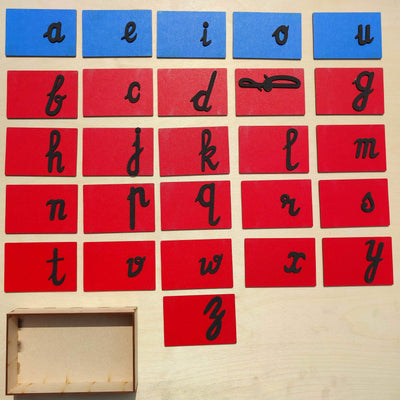
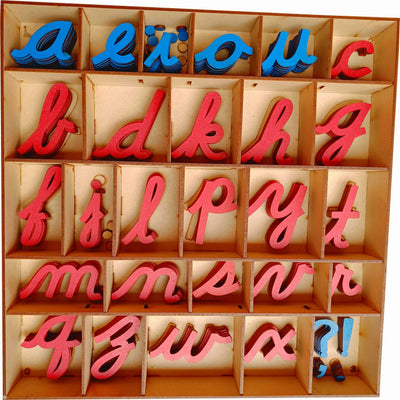
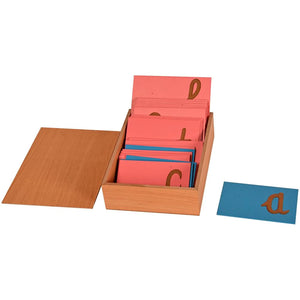
When toys and materials have a designated spot, children learn responsibility and can access what they need without constantly asking for help. This simple act reduces friction. When the Pink Tower or a set of Sandpaper Letters are easily accessible, children are less likely to snatch from each other out of frustration.
Empowering Children: Practical Montessori Strategies
Montessori isn't just about materials; it's about a philosophy of interaction that empowers children to become active participants in their own lives and relationships.
Teaching Practical Life Skills for Collaboration
Involving children in household tasks – whether it's setting the dining table for an Indian meal, watering the tulsi plant, or helping sort laundry – fosters a sense of contribution and shared responsibility. These Practical Life materials and activities are not just chores; they are opportunities for siblings to work together, developing coordination and mutual respect. For instance, one child can carry the plates while the other sets the spoons, fostering teamwork.
Language for Conflict Resolution
Instead of immediately stepping in to solve every squabble, empower children with the language to express their feelings and needs. Phrases like, “I don't like it when you snatch my toy,” or “I feel sad when you push me,” are far more constructive than accusations. Model this language yourself, and guide them to use it. This is a core part of Montessori learning activities, building communication skills from an early age.
The Power of Observation, Not Intervention
Maria Montessori taught us to be keen observers. Before intervening in a sibling squabble, take a moment. Is there real harm being done, or are they negotiating? Often, children will work things out themselves if given the space. When you do step in, do so calmly and neutrally, guiding them towards a solution rather than dictating one.
Encouraging Shared Joy and Festivals
Beyond daily routines, find opportunities for siblings to experience joy together. Preparing for festivals like Diwali or Holi, cooking a simple recipe, or reading a story together can create positive shared memories. These experiences build bonds that transcend daily squabbles and remind children of their connection.
Fostering Empathy and Connection
Ultimately, reducing sibling rivalry is about nurturing a strong, loving bond between children. Montessori offers pathways to cultivate empathy and understanding.
Modeling Respectful Relationships
Children learn by watching. How you interact with your spouse, elders, and even the children themselves sets the tone for their own relationships. Show them what respectful communication, compromise, and affection look like within the family structure, which is especially important in the joint family setups prevalent in India.
Time for Each Child, Individually
While group activities are great, dedicated 'special time' with each child, even for just 10-15 minutes a day, can fill their emotional cup. This individual attention reduces their need to compete with a sibling for your affection. It reinforces their unique value and place in the family.
Navigating sibling rivalry requires patience, consistency, and a belief in your children's innate capacity for kindness and cooperation. By applying these Montessori principles, you're not just quelling arguments; you're nurturing lifelong skills of empathy, respect, and peaceful resolution, helping them grow into harmonious individuals.
Key Takeaways
- Sibling rivalry is a natural part of child development and a learning opportunity.
- Create a prepared environment at home with designated individual spaces and accessible materials to minimise conflict.
- Empower children with communication skills to express their needs and feelings respectfully.
- Involve siblings in practical life activities to foster collaboration and shared responsibility.
- Practice observation and mindful intervention, guiding children towards self-resolution rather than immediate dictation.
- Model respectful relationships and provide individual attention to each child to strengthen bonds and reduce competition.
FAQ: Handling Sibling Rivalry with Montessori
What is the Montessori approach to sibling squabbles?
The Montessori approach views sibling squabbles as natural learning opportunities for social and emotional development. Instead of immediate intervention, it encourages parents to observe, empower children with communication tools, and guide them towards self-resolution, fostering independence and empathy.
How can a prepared environment reduce sibling conflict?
A prepared environment reduces conflict by offering clear order, accessibility to individual materials, and designated personal spaces for each child. This minimises competition over shared resources and allows children to engage in focused activities without constant disputes.
What are some Montessori activities for siblings to do together?
Siblings can engage in various Montessori-inspired activities together, such as shared Practical Life tasks like setting the table, preparing simple snacks, or gardening. Collaborative art projects, reading aloud, or even parallel play with complementary Montessori Method Learning Materials also encourage peaceful interaction.
When should I intervene in a sibling argument?
Intervene when there's a risk of physical harm, emotional distress, or when one child consistently overpowers the other. Otherwise, observe first. When intervening, remain neutral, validate both children's feelings, and guide them to express their needs and find a mutually agreeable solution.
Embracing Montessori principles can transform your home into a nurturing space where siblings learn to thrive together. Discover a wide range of thoughtfully designed educational toys and materials at SkilloToys.com to support your child's holistic development and foster harmony.