Handling Sibling Rivalry with Montessori Principles
In many bustling Indian homes, whether a cosy apartment in Bengaluru or a spacious joint family dwelling, the pitter-patter of little feet often brings both immense joy and the occasional spirited squabble. Sibling rivalry is a familiar chapter in almost every household, a natural part of growing up. But what if there was a gentle, effective way to navigate these challenges, transforming moments of conflict into opportunities for growth and understanding? We'll explore how to handle sibling rivalry with Montessori principles at home, offering a roadmap to foster harmony and respect among your children.
Montessori education is a child-centred approach that respects the child as an individual, fostering their natural inclination to learn and explore. This philosophy, developed by Dr. Maria Montessori, is not just for schools; it can be beautifully integrated into family life. When applied to sibling dynamics, Montessori encourages independence, empathy, and peaceful problem-solving, moving away from constant parental intervention towards empowering children to resolve their own disputes.
Creating a Prepared Environment for Peaceful Coexistence
A cornerstone of Montessori at home India is the 'prepared environment.' This isn't about perfectly organised spaces, but rather about setting up a home that supports children's independence and reduces unnecessary friction. Providing each child with their own accessible storage for toys and materials, perhaps using low shelves or designated baskets, can significantly minimise disputes over ownership and sharing. Imagine two siblings reaching for the same beloved educational toy – a well-organised space with clear ownership or rotation can preempt a squabble.
This environment works by giving children clear boundaries and personal spaces. Parents can ensure that frequently used Montessori learning materials, like a Knobbed Cylinder Block for precise hand-eye coordination or a simple wooden stacking toy, are easily reachable, allowing children to choose their activities freely without needing constant adult assistance. When children feel ownership and control over their immediate surroundings and can engage with their chosen activity without interruption, they are less likely to feel the need to compete for resources or attention from a sibling or parent.
Respecting Individual Work Cycles and Interests
Maria Montessori observed that children have 'work cycles' – periods of intense concentration on a chosen activity. Interrupting this can lead to frustration, and often, sibling conflicts. With siblings, especially those with different age ranges (0-6 years), it's vital to respect each child's focus. If one child is deeply engaged with a puzzle or a stacking activity, the other should be gently redirected to a separate, equally engaging activity, perhaps a practical life activity like pouring water, sweeping a small area with a child-sized broom, or even helping with an elder sibling's project in a supportive, non-intrusive way.
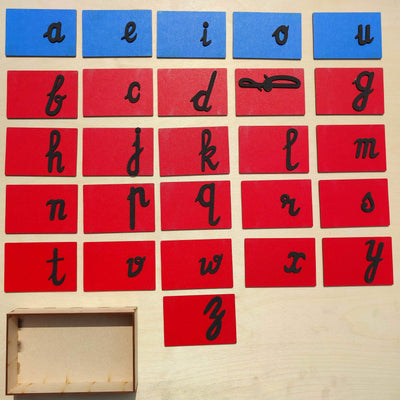
This approach acknowledges each child's unique developmental stage and current interests, promoting independent play and preventing unnecessary interference. For example, a toddler might be fascinated by exploring textures with a sensory bin filled with rice and lentils, while an older sibling works quietly with sandpaper letters. Providing varied, age-appropriate educational toys for toddlers and preschoolers ensures both children have fulfilling engagements, reducing boredom-induced squabbles and fostering a sense of individual accomplishment.
Fostering Independence and Practical Life Skills
Encouraging children to perform practical life tasks, relevant in any Indian household, is key to developing self-reliance and cooperation. Simple chores like setting the table for dinner (perhaps using small, unbreakable plates), helping to fold clothes after the laundry is done, or watering small indoor plants can be done together or individually, teaching shared responsibility. In a joint family setting, older children might help younger ones, reinforcing a natural mentorship and reducing sibling rivalry through shared purpose. These tasks, common in everyday life, help children understand that they are valuable contributors to the family unit, fostering a sense of belonging and teamwork rather than rivalry.
When children learn to manage small responsibilities, they gain competence and self-esteem. They learn problem-solving skills, such as how to carry a glass of water without spilling or how to put away a specific toy. This also develops empathy, as they contribute to the well-being of the family, including their siblings. These experiences, integral to child development India, equip them with tools for peaceful cohabitation and mutual support, demonstrating that everyone plays a part.
Teaching Grace and Courtesy in Indian Homes
Montessori places a strong emphasis on grace and courtesy – learning polite interactions, asking for what you need, and respecting others' space and possessions. In an Indian context, this might involve teaching children how to respectfully ask their elder sibling for a turn with a toy, how to offer help to a younger one who is struggling, or how to use polite phrases like 'krupaya' (please) and 'dhanyawad' (thank you) in daily interactions with family members, including grandparents. Modelling these behaviours as parents, by always using polite language and showing respect in our own interactions, is crucial.
These social skills are not innate; they must be taught and practised through consistent daily examples. When children have the language and the framework to express their needs and desires respectfully, many potential conflicts can be de-escalated or avoided entirely. This also helps them develop strong social-emotional intelligence, understanding the impact of their words and actions on others, which is vital for harmonious sibling relationships.
Conflict Resolution as a Learning Opportunity
Sibling rivalry, while challenging, presents powerful learning opportunities for children to develop crucial life skills. Instead of immediately intervening as a judge, which can inadvertently create a winner and a loser, Montessori encourages parents to act as calm facilitators. Observe first: Can the children work it out themselves? Often, with a bit of space, they surprise us. If not, offer neutral language to help them express their feelings: 'I see you both want the red ball right now. How can we solve this so everyone feels heard?'
The goal is not to eliminate conflict but to teach children constructive ways to resolve it independently. This might involve suggesting taking turns, finding a compromise, or identifying another equally engaging activity. Empowering children to find solutions builds their negotiation skills, empathy, and strengthens their bond by teaching them to consider each other's needs. This process fosters a sense of fairness and mutual respect that extends far beyond the immediate dispute.
Avoiding Comparisons and Celebrating Individuality
One of the biggest triggers for sibling rivalry is explicit or implicit comparison. Every child is a unique individual, developing at their own pace and possessing different strengths and interests. Celebrating each child's individual achievements, whether it's one excelling in art with colours and brushes and the other showing a knack for building with blocks, reinforces their self-worth. Avoid loaded comments like 'Why can't you be more like your sister and sit quietly?' or 'Your brother always finishes his food.' These sow seeds of resentment and unhealthy competition.
Instead, focus on effort, personal progress, and the unique contributions each child makes. 'I see how hard you worked on that drawing!' or 'You helped your sibling so kindly!' are much more impactful. This helps children understand that their value isn't tied to outperforming a sibling, but rather to their own growth and character. It fosters a secure sense of self, which is vital for healthy child development, encouraging them to be their best selves without needing to compare or compete.
Navigating sibling rivalry requires patience, consistency, and a belief in your children's innate capacity for good. By embracing these Montessori principles – from creating a supportive environment to fostering independence and teaching grace – you can cultivate a home where harmony thrives. Explore our range of Montessori educational toys at SkilloToys.com to further support this peaceful journey for your little ones.