Maria Montessori: Italy's First Female Doctor
When you think of Maria Montessori, your mind likely goes straight to her revolutionary educational method, the child-sized furniture, and the beautiful, purposeful learning materials. But did you know Maria Montessori was the first female doctor in Italy? It’s a remarkable fact that not only highlights her tenacity but also deeply shaped the very foundations of her renowned approach to child development.
Imagine the societal landscape of late 19th-century Italy. Becoming a doctor was an uphill battle for anyone, let alone a woman. Yet, Maria Montessori defied expectations, breaking barriers in a male-dominated field. Her journey from the demanding halls of medicine to the vibrant classrooms of children is a testament to her keen observation skills and unwavering dedication to understanding the human being.
Montessori education is a child-centred educational approach that emphasizes observation, self-directed activity, and a prepared environment. This works because it respects the child's innate capabilities, allowing them to explore and learn at their own pace, fostering independence and a lifelong love of learning. Parents can implement this by offering age-appropriate materials and observing their child's interests, creating a nurturing space even in a bustling Indian joint family.
Her Medical Journey: A Scientific Approach to Child Development
Maria Montessori's medical training was not just a personal achievement; it was the crucible in which her educational philosophy was forged. As a doctor, she focused on pediatrics and psychiatry, giving her an unparalleled understanding of child development, anatomy, and mental health. This scientific lens led her to view children not just as empty vessels to be filled, but as capable individuals with immense potential.
Her work with children with special needs particularly illuminated the power of a tailored environment and specific materials to aid learning. She observed that when children were provided with the right tools and freedom to explore, they could achieve astonishing developmental milestones. This direct, hands-on experience was a profound departure from traditional educational methods, which often overlooked individual needs.
From Clinic to Classroom: Observing the Child's Inner Teacher
Montessori's medical background instilled in her a meticulous, observational approach. Instead of prescribing a one-size-fits-all curriculum, she spent countless hours observing children, noting their natural tendencies, their periods of intense concentration, and their spontaneous bursts of learning. This led to her theory of the “absorbent mind” and the importance of sensitive periods in a child’s life.
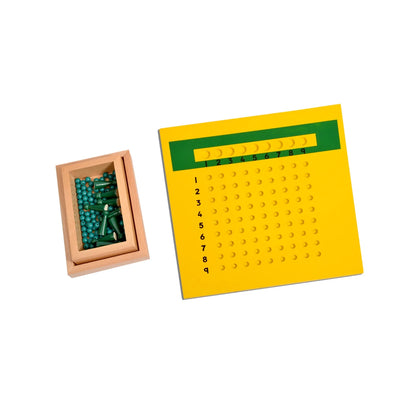
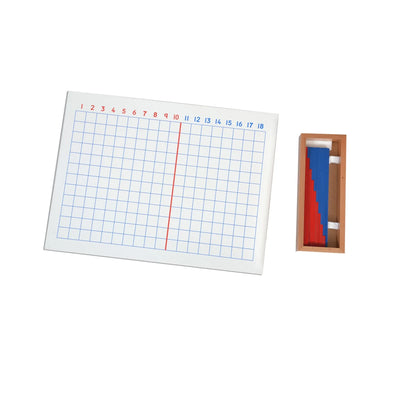
She understood that a child's environment is their most powerful teacher. This insight forms the bedrock of the Montessori prepared environment – a space designed to invite exploration, encourage independence, and support intrinsic motivation. Many of the fundamental ideas she pioneered can be found in our range of Montessori Method Learning Materials, which are designed to cater to a child's natural developmental urges.
Montessori at Home: Bringing the Doctor's Wisdom to Your Indian Family
For Indian parents exploring Montessori at home India, Maria Montessori’s journey offers invaluable lessons. Her emphasis on observation is key. Take time to truly see your child – what fascinates them? What challenges do they eagerly embrace? Whether you live in a sprawling home or a cozy small apartment in Bengaluru, creating a child-centric space is achievable.
Incorporate practical life activities that mirror daily Indian home routines: sweeping with a child-sized broom, helping with chapati making, or arranging flowers for a pooja. These are not just chores; they are Montessori learning activities that build concentration, coordination, and a sense of belonging within the family. Even grandparents, with their wealth of traditional knowledge, can become wonderful guides in these activities.
Developing Language & Cognitive Skills with a Doctor's Insight
Maria Montessori's medical understanding of the human brain's development profoundly influenced her approach to language. She recognized that language acquisition isn't just about memorizing words, but about a holistic process involving sensory experience, phonetic awareness, and visual recognition. This is why Montessori language materials are so hands-on and systematic.
For instance, materials like the Sandpaper Letters or the Movable Alphabet, available in our Montessori Language Materials collection, are designed to engage multiple senses. They are far more than just educational toys for toddlers; they are carefully crafted tools that follow the child's natural path of language development, building a strong foundation for reading and writing, skills vital for every child's growth in India.
Her work teaches us that true education nurtures the whole child – mind, body, and spirit. Her legacy continues to empower millions of children worldwide, including those in vibrant Indian homes, helping them to blossom into confident, capable individuals ready to contribute meaningfully to society. Her life story is a powerful reminder that every child holds incredible potential, waiting to be unlocked with respect, observation, and a thoughtfully prepared environment.
Key Takeaways
- Maria Montessori was Italy's first female doctor, a pioneering achievement in the late 19th century.
- Her medical background, particularly in pediatrics and psychiatry, profoundly shaped her unique approach to child development.
- The Montessori method emphasizes scientific observation, a prepared environment, and fostering a child's natural learning tendencies.
- These principles are highly adaptable for Montessori at home India, focusing on practical life skills and independence.
- Montessori materials are designed based on deep insights into child psychology and developmental milestones.
- Her work continues to be a cornerstone for understanding early child development India and designing effective educational toys for toddlers.
Frequently Asked Questions About Maria Montessori and Her Work
What inspired Maria Montessori to develop her educational method?
Maria Montessori was inspired by her medical work, particularly with children who had special needs. Her scientific observations led her to believe in a child's innate potential and that education should cater to their natural developmental stages rather than forcing them into a rigid curriculum.
How did Maria Montessori's medical background influence the Montessori approach?
Her medical background instilled a rigorous scientific and observational approach to studying children. She focused on the child's physical and psychological development, hygiene, and the interconnectedness of mind and body, which are all central to the holistic Montessori philosophy.
Can Montessori principles be applied in an Indian home setting?
Absolutely! Montessori principles are universal. Indian parents can focus on fostering practical life skills, encouraging independence, and creating a prepared environment using local materials, even in joint families or smaller urban apartments. Observing your child's interests is key.
What are some common Montessori materials that reflect her scientific approach?
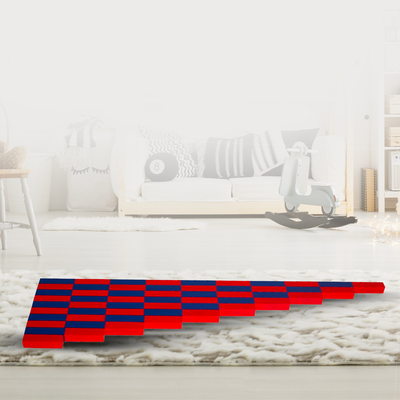
Materials like the Pink Tower, Sandpaper Letters, and the Movable Alphabet are excellent examples. They are meticulously designed to isolate specific concepts, engage multiple senses, and encourage self-correction, reflecting her deep understanding of how children learn sequentially and effectively.
At SkilloToys.com, we are committed to bringing Maria Montessori's pioneering vision to your doorstep, offering a curated collection of educational toys and materials designed to nurture your child's innate curiosity and independence, just as she envisioned.