Maria Montessori: Italy's First Female Doctor & Educator
Imagine a time when women were rarely seen in professional roles, especially not in the rigorous field of medicine. Now, picture someone not just entering that field, but excelling, breaking barriers, and becoming the first to do so in an entire country. That, dear parents, is the awe-inspiring story of Maria Montessori. It's a lesser-known fact, but incredibly inspiring: Maria Montessori was the first female doctor in Italy, achieving this monumental feat in 1896.
But what does this groundbreaking medical career have to do with the educational philosophy many Indian parents are embracing for their little ones? Plenty! Her journey from doctor to world-renowned educator is a testament to deep observation, scientific rigour, and an unwavering belief in a child's innate potential.
What is Montessori Education? A Doctor's Perspective on Learning
Montessori education is a child-centred approach to learning that emphasizes independence, freedom within limits, and respect for a child's natural psychological, physical, and social development. It is fundamentally built on scientific observation, much like a doctor meticulously observes a patient to understand their needs.
This method works because it recognizes that children are inherently curious and capable of self-directed learning when provided with a thoughtfully prepared environment. Parents can integrate this by offering accessible, age-appropriate Montessori learning materials at home, allowing their child to explore and discover at their own pace.
From Doctor to Educator: The Birth of a Revolution
Maria Montessori's initial work as a doctor focused on psychiatry and paediatrics, particularly with children who were deemed 'uneducable.' It was during her time working in psychiatric clinics and schools for children with special needs that she began her revolutionary observations.
Instead of seeing these children through a lens of deficits, she saw potential. She realized that what they lacked was not intelligence, but rather stimulating environments and appropriate tools for learning. This profound insight, born from her medical training in careful observation and empirical analysis, was the seed from which the Montessori Method blossomed.
Observing Children: A Doctor's Precision in Learning
Her medical background gave her an unparalleled ability to observe without judgment, to document patterns, and to hypothesize about human development. She treated each child as an individual, much like a doctor approaches each patient's unique case.
In our bustling Indian homes, whether in a joint family setup or a small city apartment, we too can adopt this 'doctor's eye.' Instead of simply telling our children what to do, we can observe what they are drawn to, what challenges them, and what brings them joy. This observation is the first step towards truly understanding and supporting their developmental needs.
Montessori at Home: Bringing the Doctor's Wisdom to Your Child's World
The core principles Maria Montessori discovered are universally applicable, making Montessori at home in India a deeply enriching experience. Her medical insights taught her that development is not linear and that children thrive when given agency.
Practical Life Skills: A Foundation for Indian Homes
Think about the everyday activities in an Indian household – from kneading dough for rotis to arranging flowers for puja, or even helping grandparents with small chores. These are perfect examples of Montessori's 'practical life' activities. Maria Montessori, the doctor, understood that mastering such skills builds concentration, coordination, and a profound sense of self-worth.
Encourage your child to help set the dining table, sort lentils, or water plants. These simple, culturally relevant activities are not just chores; they are foundational Montessori learning activities that foster independence and a sense of contribution, echoing the spirit of 'seva' (selfless service) often valued in Indian families.
Fostering Independence: A Key to Child Development in India
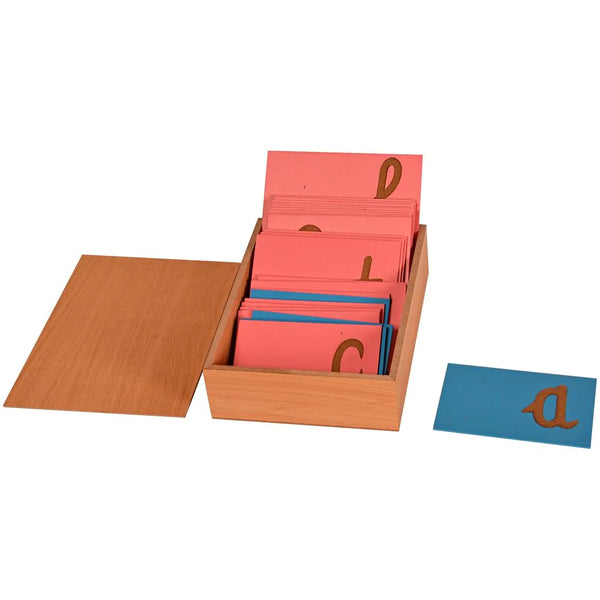
Montessori's medical background emphasized the interconnectedness of mind and body. She believed that fostering a child's independence was crucial for their holistic development. When a child can choose their own work, dress themselves, or even express their thoughts clearly using materials like the Montessori Language Materials, they build self-confidence and cognitive abilities.
In the vibrant tapestry of Indian family life, where elders are revered and community ties are strong, allowing children to make age-appropriate choices can sometimes feel counter-intuitive. However, providing opportunities for independent learning, respecting their concentration, and allowing them to learn from their mistakes are vital steps in nurturing resilient and capable individuals for the future.
Maria Montessori's pioneering spirit as the first female doctor in Italy was not just a personal triumph; it was a foundational element in shaping her revolutionary approach to education. Her scientific mind, combined with a deep empathy for children, laid the groundwork for a method that continues to empower millions of children worldwide, including our little ones right here in India.
Her legacy reminds us that education is not just about imparting facts, but about nurturing the whole child, observing their needs, and preparing them for a life of purpose and independence.
At SkilloToys.com, we are inspired by this incredible legacy, bringing the finest Montessori educational toys to your doorstep.