Montessori Approach to Tantrums for Indian Parents
Every Indian parent knows the scene: a busy Diwali Mela, a family wedding, or even just a quiet afternoon at home. Suddenly, your little one, aged between 1 and 4, melts down – a full-blown tantrum over a dropped laddu, a toy they can't have, or simply because they're tired. It's challenging, often embarrassing, and leaves many of us wondering, 'What just happened?' If you're exploring the Montessori approach to tantrums, you're looking for a path that respects your child's developing mind while bringing calm back to your household. At SkilloToys, we understand these everyday struggles and believe in empowering you with tools and insights rooted in Dr. Maria Montessori's profound understanding of children.
What is the Montessori approach to tantrums? This method views tantrums not as misbehaviour, but as a child's intense expression of unmet needs, frustration, or developmental overwhelm. This works because it shifts the parental perspective from punishment to understanding, allowing for a more empathetic and effective response. Parents can then focus on guiding their child through these big emotions, helping them develop crucial self-regulation skills rather than just suppressing the outburst.
Understanding Tantrums Through a Montessori Lens
In the Montessori philosophy, Dr. Maria Montessori taught us that children, especially those between 0-6 years, are driven by an innate desire for independence and order. When their environment doesn't support this, or they lack the language and tools to express themselves, tantrums emerge. For Indian parents, navigating these moments can be tricky, especially in a joint family setting where different generations might have varying ideas on discipline, or in smaller apartments where space for independent exploration is limited. Recognising this underlying struggle is the first step towards a peaceful resolution.
What TO DO: Guiding Your Child with Montessori Wisdom
Create a Prepared Environment (Vyavasthit Vaatavaran)
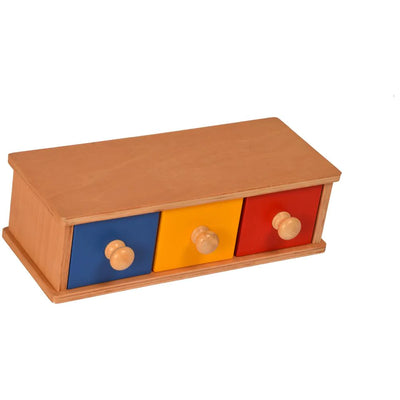
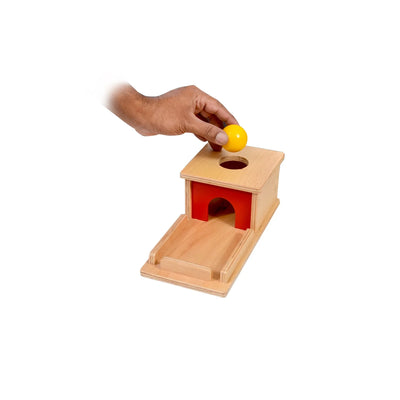
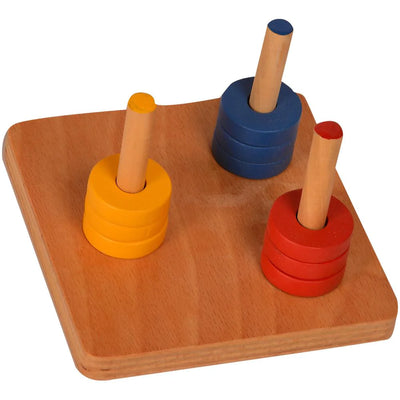
A 'prepared environment' is the cornerstone of Montessori, reducing frustration by making activities accessible and engaging. Ensure your child's play area, even a small corner in an Indian home, is organised, clutter-free, and has age-appropriate materials. When children have meaningful work, like practical life activities that mimic adult tasks, they are less likely to seek attention through outbursts. Explore our range of educational toys for toddlers that promote independence and focus, helping to prevent many common meltdowns.
Acknowledge Feelings and Offer Language
Instead of dismissing a child's upset with 'It's nothing,' or 'Chup ho jao,' acknowledge their feelings. Say, 'I see you are very angry because your tower fell,' or 'You seem sad that we have to leave the park.' This validates their experience and helps them build emotional vocabulary, a vital aspect of child development in India and globally. Offering words for their big feelings empowers them to communicate more effectively next time.
Set Clear, Consistent Boundaries
Montessori isn't about permissiveness; it's about freedom within limits. Children thrive on predictability and clear expectations. If a boundary is set – for instance, no screen time before bed – it must be consistently enforced by all caregivers, from parents to grandparents. Explaining the 'why' in simple terms helps children understand the reason behind the limit, fostering respect rather than resentment.
Offer Meaningful Choices
Often, tantrums stem from a child feeling a lack of control. Offering limited, age-appropriate choices gives them a sense of agency. 'Do you want to wear the blue kurta or the red one?' or 'Would you like to put away your blocks first, or your books?' These small decisions can avert a power struggle and build confidence. Just remember to offer choices you're genuinely comfortable with.
Model Calm and Patience
Children are keen observers, especially in a bustling Indian household. Your calm response during a tantrum teaches them how to regulate their own emotions. Take a deep breath, lower your voice, and approach the situation with patience. Even during festivals or large family gatherings, finding a quiet corner to reconnect with your child can make a world of difference.
What NOT TO DO: Avoiding Common Pitfalls
Don't Shame or Dismiss Emotions
Statements like 'Big boys/girls don't cry,' or 'Don't be silly, there's nothing to cry about,' can teach children to suppress their feelings, hindering healthy emotional development. It's crucial not to belittle their experiences, even if they seem trivial to us. Remember, their feelings are real and intense to them.
Avoid Bargaining or Bribery
Promising a chocolate or a new toy to stop a tantrum might offer immediate relief, but it teaches children that their outbursts are an effective way to manipulate situations. This undermines their intrinsic motivation and can lead to a cycle of escalating demands. Instead, focus on problem-solving and natural consequences.
Don't Engage in Power Struggles
When a child is in the throes of a tantrum, their rational brain is offline. Trying to reason, argue, or yell back only escalates the situation. Instead, stay calm, offer a quiet space, and wait for the storm to pass. Once calm, you can gently discuss what happened and how to handle similar feelings next time.
Limit Overstimulation
In our fast-paced world, children are often bombarded with too much – too many toys, too many activities, too much screen time. This overstimulation can be a significant trigger for tantrums. A Montessori home emphasizes quality over quantity, with curated Montessori learning activities that encourage deep engagement and focus. A simpler environment allows children to concentrate and regulate themselves better.
Montessori at Home: A Peaceful Path Forward
Embracing the Montessori at home India approach to tantrums is a journey of understanding, patience, and consistent guidance. It's about seeing your child as a capable individual, even when they're struggling. By creating a supportive environment and responding with empathy, you're not just managing meltdowns; you're fostering resilience, emotional intelligence, and self-discipline that will serve them for a lifetime.
At SkilloToys.com, we are committed to providing high-quality, authentic Montessori materials that support your child's holistic development and make these parenting journeys a little smoother. Discover resources that empower both you and your little one.