Toddlers Learn Maths: Physical Objects Not Numbers
As parents, we often picture maths as complicated equations and abstract numbers. But what if we told you that for our little ones, especially toddlers, learning maths often begins not with counting 'one, two, three' but with touching, stacking, and sorting physical objects? It's true! Did you know toddlers learn maths through physical objects, not just numbers? This hands-on approach is at the heart of early childhood development, particularly within the Montessori philosophy, setting a crucial foundation for their future understanding of the world.
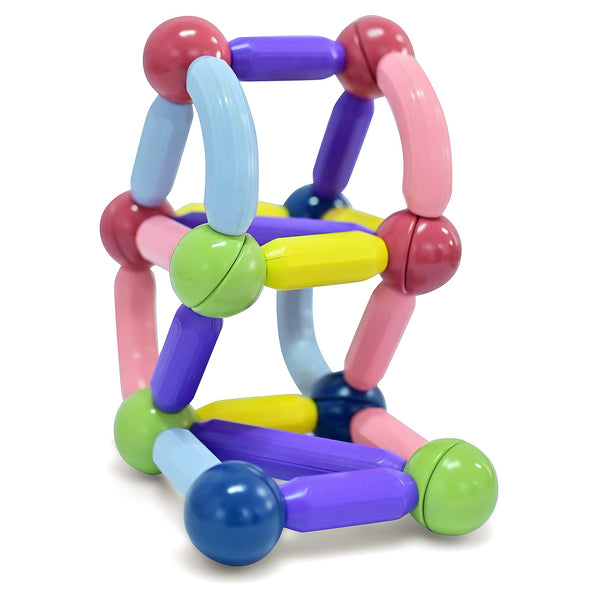
This foundational approach, often called concrete learning, is where children first experience mathematical concepts through their senses—sight, touch, and even sound. A concept like 'three' isn't just a symbol on paper; it's three distinct blocks they can hold, three laddoo pieces they can see and share, or three beads they can string onto a thread. This method works so effectively because it aligns perfectly with a toddler's natural way of exploring and understanding their environment—through direct interaction and sensory engagement with real-world items. Parents can significantly support this by providing tangible, open-ended materials for their children to manipulate and explore freely.
The Montessori Way: Concrete Before Abstract
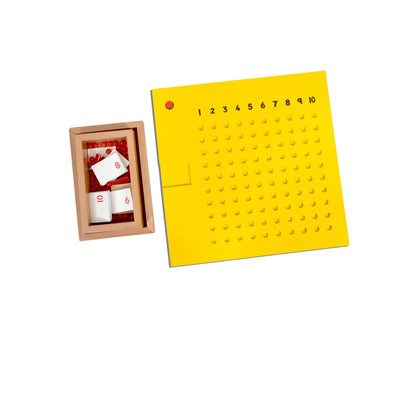
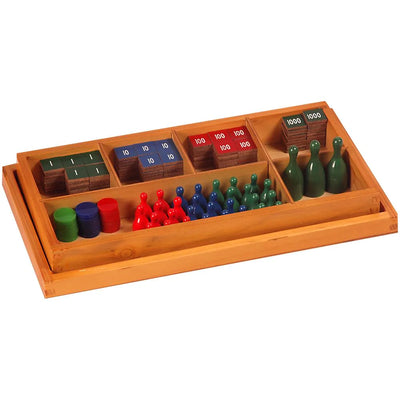
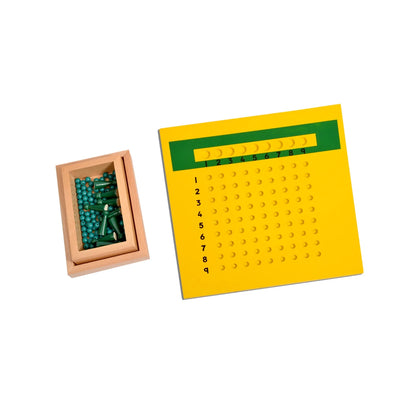
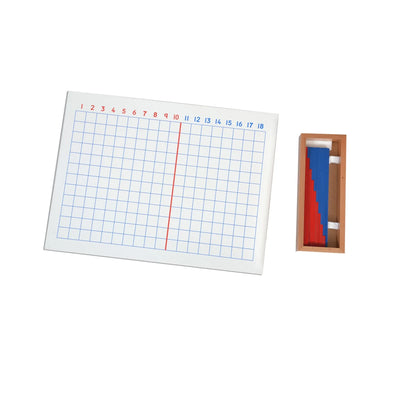
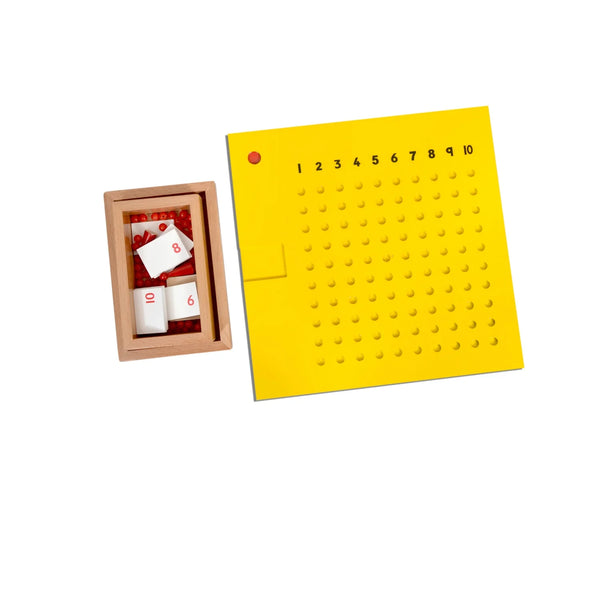
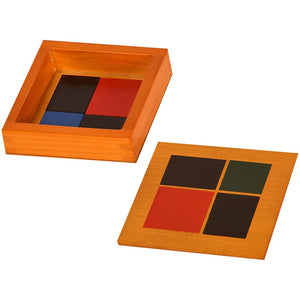
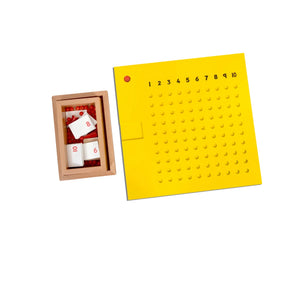
Dr. Maria Montessori, a visionary educator, profoundly observed that young children possess an 'absorbent mind,' instinctively soaking up information from their environment through active engagement. She firmly believed that before a child can truly grasp abstract symbols like numbers (the numeral '3'), they first need a robust, concrete understanding of the quantities those symbols represent. For instance, children don't just learn to count; they learn about quantity by physically engaging with materials. They might learn about length and proportion by working with sensorial materials like the Red Rods or the iconic Pink Tower, which physically demonstrate concepts of gradation, sequencing, and dimension. These meticulously designed Montessori mathematics materials allow toddlers and preschoolers to physically explore mathematical relationships, forming strong neural connections and an intuitive sense of numerical value long before formal arithmetic begins. This emphasis on hands-on exploration ensures a deep, lasting comprehension.
Why Physical Objects Work for Little Minds
For a developing toddler, abstract numbers and symbols on a page are largely meaningless. Their brains are wired for sensory input—what they can see, touch, feel, and even hear. When they stack wooden blocks, they're not just playing; they're intuitively understanding 'tall' versus 'short,' 'many' versus 'few,' and developing spatial reasoning. When they sort different coloured beads into bowls, perhaps for a family puja or festival decoration, they're practising classification, patterning, and one-to-one correspondence—all vital pre-math skills. This tactile, multi-sensory engagement is fundamental to healthy child development in India, echoing traditional learning methods where children often learn by doing, whether it's counting pebbles in a game or helping separate grains of rice. It builds a strong foundation for future mathematical reasoning.
Maths in Your Indian Home: Everyday Learning
The beauty of this approach is that you don't need elaborate tools to foster early maths skills. Our bustling Indian homes are brimming with natural, accessible opportunities for Montessori at home India. Think about simple, everyday activities: stacking a set of tiffin boxes teaches size, sequence, and order. Sorting different types of dal or spices into separate katoris introduces classification, set theory, and one-to-one correspondence. Even helping to arrange bangles by size or colour helps develop early geometrical understanding and pattern recognition. Using kitchen utensils for 'counting' or setting up 'two' plates for snacks naturally embeds mathematical language. These are wonderful examples of how wooden toys and common household items can transform ordinary tasks into powerful, engaging learning experiences, connecting deeply with our cultural context, multi-generational families, and even smaller apartment living where space is precious. Grandparents, with their wealth of traditional games and stories, can also be invaluable in introducing these concepts.
Nurturing Early Numerical Sense Through Language and Play
Beyond manipulating objects, the language we use as parents and caregivers plays a pivotal role in solidifying these early mathematical concepts. When your child picks up two spoons, you can enthusiastically say, 'Look, two spoons!' or if they have 'more' ladoos than their sibling, pointing out the difference. These simple, context-rich conversations build crucial connections between tangible objects and nascent numerical understanding. Engaging in thoughtful Montessori learning activities means observing your child's play and naturally introducing terms like 'same,' 'different,' 'big,' 'small,' 'more,' 'less,' 'heavy,' and 'light' as they interact with their surroundings. Encouraging them to 'put one more' or 'take one away' during play further embeds these ideas. This rich linguistic environment, combined with hands-on exploration, creates a robust framework for developing educational toys for toddlers and building a strong foundation in abstract mathematical thought later on.
Empowering your child's early mathematical journey means embracing their natural curiosity and providing abundant opportunities for hands-on, concrete exploration. At SkilloToys.com, we understand the profound impact of purposeful play. We meticulously curate our range of Montessori method learning materials and toys, designed to support your little one's developmental milestones and build a robust, intuitive foundation in maths, one tangible experience at a time. Let's make learning an adventure, right here in your home.