Montessori Bilingualism in India: Nurturing Two Languages
In the vibrant tapestry of Indian homes, where different languages often dance and intertwine, the idea of raising bilingual children isn't just a goal – it's often a beautiful reality. For parents exploring or practising Montessori at home, there's a unique harmony in how this method aligns with nurturing multiple languages. Let's delve into how you can effectively support your little one in becoming comfortably bilingual, the Montessori way, right here in India.
Montessori education, at its heart, is about following the child's natural developmental path. When it comes to language, the Montessori approach acknowledges that children, especially from birth to six years, possess an ‘absorbent mind’ – a remarkable ability to effortlessly soak up information from their environment. Raising bilingual children the Montessori way leverages this innate capacity by creating a rich, consistent, and respectful language environment. This works because it aligns with a child’s natural periods of sensitivity for language acquisition, allowing them to construct their linguistic understanding without conscious effort. Parents can thoughtfully design their home to present both languages clearly and consistently, fostering deep comprehension and fluency in both.
The Absorbent Mind: India's Linguistic Richness
Maria Montessori observed that children have an extraordinary capacity for language learning in their early years. They don't just learn words; they absorb the nuances, grammar, and cultural context of the languages around them. In India, where families often speak regional languages alongside Hindi or English, and grandparents might bring in yet another tongue, this 'absorbent mind' is constantly at work.
Instead of seeing multiple languages as a challenge, Montessori views them as an enrichment. Your child isn't just learning words; they're gaining access to different cultures, different ways of thinking, and deeper connections with their family heritage. Whether it's the melodious sound of a grandmother's Bengali lullaby or a father explaining the stories behind a Diwali celebration in Tamil, every interaction builds their linguistic foundation.
Creating a Language-Rich Prepared Environment at Home
A core Montessori principle is the 'prepared environment' – a space designed to support a child's independent learning and development. For bilingualism, this means intentionally curating opportunities for both languages to thrive naturally.
One Parent, One Language (OPOL) or a Family Approach?
Many Indian families naturally adopt variations of language strategies. The One Parent, One Language (OPOL) method, where each parent consistently speaks a different language to the child, is a popular and effective choice. However, in a joint family setting, a 'family language' approach, where specific languages are associated with different family members (e.g., grandparents speak Marathi, parents speak English and Kannada), can also work beautifully.
Consistency is key. Whichever method you choose, ensure that your child hears both languages regularly and authentically. Don't worry if they mix words initially; this is a normal part of the bilingual journey and indicates their brain is actively processing both systems.
Engaging with Montessori Language Materials
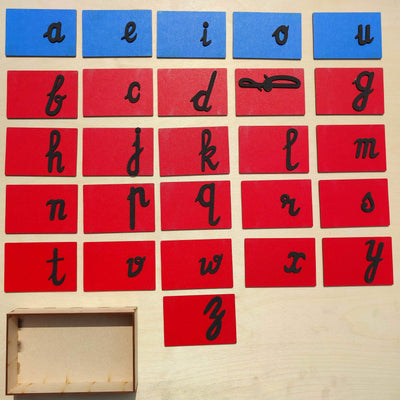
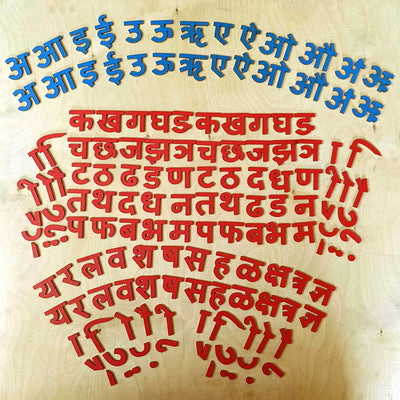
Montessori educational toys and materials are designed to isolate concepts and provide hands-on learning. For language development, these tools are invaluable. Materials like Sandpaper Letters allow children to associate the sound of a letter with its tactile form, engaging multiple senses. You can introduce these for both languages, perhaps having one set for English and another for a regional script.
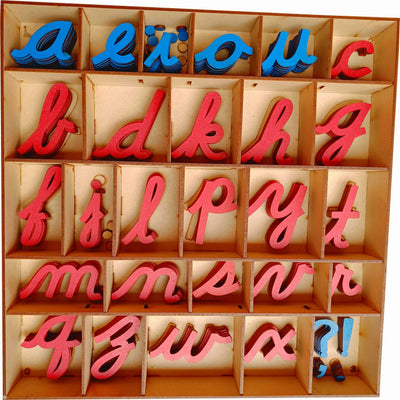
The Montessori language materials available at SkilloToys.com include objects for vocabulary building, the Movable Alphabet for early word creation, and various grammar exercises. These help children grasp the structure and richness of each language in a concrete, engaging way. By manipulating these materials, children develop phonemic awareness, build vocabulary, and understand sentence structure naturally, whether they are learning about a 'billi' (cat) or a 'cat'.
Everyday Language Experiences in an Indian Setting
Beyond specific materials, integrate both languages into daily life. Narrate your actions while cooking a traditional Indian meal, describe your trip to the local market, or talk about the colours of a rangoli during a festival – all in both languages. Read stories, sing rhymes, and listen to music in each language. Point out objects and name them in both tongues, reinforcing vocabulary in a real-world context.
Even small apartments can be rich language environments. Label objects around the house in both scripts, or create a 'language corner' with books and simple Montessori learning activities related to each language. Embrace the diversity; when a child says 'aloo' instead of potato, acknowledge both words.
Nurturing Respect and Cultural Connection
Part of raising bilingual children the Montessori way is instilling respect for all languages and the cultures they represent. Celebrate festivals, read folktales, and explore traditions from each linguistic background. Show your child that speaking multiple languages is a superpower – a bridge to understanding more people and more of the world.
Encourage your child to communicate their needs and express themselves in whichever language they feel most comfortable. This fosters self-confidence and a love for both their linguistic identities. By valuing both languages, you're also strengthening their sense of identity and belonging within their family and the broader Indian community.
Key Takeaways for Montessori Bilingualism
- **Start Early:** Children have an 'absorbent mind' from 0-6 years, making this the optimal time for language acquisition.
- **Consistency is Crucial:** Maintain a consistent language strategy (e.g., OPOL) within your home environment.
- **Create a Rich Environment:** Surround your child with both languages through conversations, stories, songs, and labelled items.
- **Utilise Montessori Materials:** Hands-on tools like Sandpaper Letters and the Movable Alphabet support multi-sensory language learning.
- **Integrate into Daily Life:** Weave both languages naturally into everyday activities, from cooking to celebrating festivals.
- **Value All Languages:** Foster respect for each language and its associated culture, building your child's confidence and identity.
Frequently Asked Questions About Raising Bilingual Children
Is it confusing for a child to learn two languages at once?
No, research shows that learning two languages simultaneously is not confusing for children. Their brains are highly adaptable and capable of distinguishing between languages. Initial language mixing is normal and temporary.
At what age should I start introducing a second language?
The earlier, the better. Children from birth to age six have an incredible capacity for language acquisition. Introducing a second language during these formative years leverages their natural 'absorbent mind' capabilities.
How does Montessori help with bilingualism?
Montessori principles support bilingualism by emphasizing a prepared environment, hands-on learning with concrete materials, and following the child's natural sensitive periods for language, making the process intuitive and effective.
What if my child mixes languages?
Language mixing, or code-switching, is a common and healthy stage in bilingual development. It indicates a child's brain is processing both languages. Continue to model correct usage, and with consistent exposure, they will naturally separate the languages.
Are there specific Montessori educational toys for language development?
Yes, SkilloToys offers a range of Montessori language materials like Sandpaper Letters, Movable Alphabets, and nomenclature cards that are excellent for building vocabulary, phonemic awareness, and early reading skills in any language.
Embracing bilingualism with Montessori principles not only gives your child the gift of two languages but also fosters a deeper appreciation for the rich cultural tapestry that defines India. Explore our range of Montessori learning materials at SkilloToys.com to support your child’s incredible language journey.