Montessori Botany & Nature Study at Home in India
From the vibrant marigolds adorning our doorways during festivals to the sturdy Banyan trees gracing our neighbourhood parks, nature is an intrinsic part of life in India. For parents exploring or practicing Montessori at home, harnessing this abundant natural world for learning is a wonderful opportunity. Today, we're diving into how you can bring Montessori botany and nature study at home in India, nurturing a deep connection with the environment in your child aged 0–6 years.
What is Montessori Botany & Nature Study?
Montessori botany and nature study is a holistic approach to introducing children to the natural world, focusing on observation, classification, and respect for living things. It’s not just about memorising plant names; it’s about hands-on exploration that fosters curiosity, concentration, and a sense of wonder. This works because children are naturally drawn to their environment, and by providing guided, sensory experiences, we support their innate drive to learn. Parents can easily incorporate these principles by creating simple opportunities for interaction with plants and natural elements in their daily routines.
Connecting with Nature, The Indian Way
Even in bustling Indian cities or smaller apartments, nature is often just a window or balcony away. Consider the humble potted tulsi plant, a fixture in many Indian homes, or the seasonal flowers that bloom around us. These everyday elements offer perfect starting points for nature study. Grandparents, with their traditional wisdom about plants and remedies, can also be invaluable guides in this journey, sharing stories and knowledge that enrich the child's experience.
Simple Botany Activities for Little Hands (0-3 years)
For our youngest learners, the focus is on sensory exploration and building a foundation. These activities support early child development in India, encouraging exploration and understanding of their immediate world.
- Leaf Collection & Matching: Gather different leaves from your garden, balcony, or a nearby park. Talk about their colours, shapes, and textures. You can help your toddler match identical leaves, a fantastic exercise for visual discrimination.
- Watering Plants: Give your child a small watering can (or even a mug) and let them help water the plants. This teaches responsibility and connects them to the life cycle of plants.
- Smell Jars: Fill small, opaque containers with fragrant Indian spices like cardamom, star anise, or dried flower petals (like rose or jasmine). Let your child smell each one, describing the aromas.
Deepening Nature Connections (3-6 years)
As children grow, they can engage in more structured and analytical botany activities, refining their observation skills and building a scientific vocabulary. Many of these activities can be enhanced with Montessori learning materials from SkilloToys.
- Planting Seeds: Plant fast-growing seeds like moong dal, fenugreek (methi), or coriander. Children can observe the germination process daily, learning about growth and change. A simple kit can make this easy; explore our Montessori activity kits for ideas.
- Plant Parts Exploration: Using real plants (a flower, stem, leaves, roots if possible), introduce the names of the parts of a plant. You can also use Montessori nomenclature cards, which visually separate and label each part, found within many foundational Montessori learning materials.
- Flower Pressing: Collect beautiful local flowers (hibiscus, bougainvillaea, marigolds) and press them between heavy books. Later, use them for art projects or to create a nature journal.
- Nature Walk Scavenger Hunt: On a walk, give your child a list (pictures for non-readers) of things to find: a smooth stone, a rough bark, a yellow flower, a feather. This enhances observation and engagement with their surroundings.
Creating a Nurturing Nature Corner
Even a small corner in your home can become a dedicated space for nature study. Place a potted plant, a magnifying glass, a collection of interesting stones, shells, or leaves gathered on walks. A small table and chair, suitable for their size, invite focused work. Encourage your child to bring in treasures from outdoors – a fallen flower, an unusual twig – and discuss them. This dedicated space reinforces the idea that nature is important and worthy of study.
Connecting Botany to Culture and Beyond
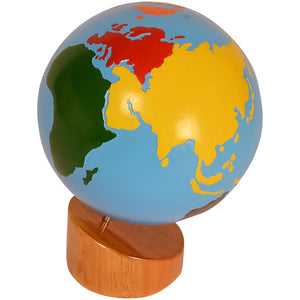
In India, nature is deeply interwoven with culture. Discuss the significance of plants like the peepal or neem tree, or how certain flowers are used in rangoli or puja. This cultural context enriches the learning experience and fosters a deeper connection to their heritage. As they learn about local flora, you can even introduce the concept of different environments and biomes around the world, perhaps with the help of Montessori geography materials that depict various land and water forms.
Key Takeaways for Montessori Botany & Nature Study at Home
- Start early, even with infants, by simply observing and touching natural elements.
- Utilise local Indian flora and cultural connections to make learning relevant.
- Emphasise hands-on, sensory experiences over rote memorisation.
- Create a designated 'nature corner' to encourage exploration.
- Encourage responsibility through tasks like watering plants.
- Montessori learning activities foster a lifelong appreciation for nature.
- Incorporate quality educational toys for toddlers and older children to support structured learning.
FAQ: Montessori Botany & Nature Study for Indian Parents
What age is best to start Montessori botany and nature study?
You can begin exposing children to nature from birth! Infants benefit from being outdoors, observing leaves sway, or feeling different natural textures. Formal botany activities, like identifying parts of a plant, typically begin around 3-4 years, aligning with their developing cognitive abilities.
Do I need a big garden for nature study at home in India?
Absolutely not! Even a small balcony with a few potted plants, or visits to a local park or community garden, provide ample opportunities. The key is consistent, intentional interaction, not the size of the space.
How can I make nature study culturally relevant for my child in India?
Incorporate local plants, festivals, and traditions. Talk about the tulsi plant's significance, collect marigolds for Diwali, or identify trees common in your region. Connect the natural world to stories and practices from your family's heritage.
What are essential Montessori materials for botany at home?
While real plants are primary, useful Montessori materials include nomenclature cards for plant parts, leaf puzzles, or sorting trays for natural objects. SkilloToys offers a range of Montessori method learning materials that complement nature study beautifully.
Embracing Montessori botany and nature study at home is a beautiful way to foster a love for our planet and enhance your child's holistic development. At SkilloToys.com, we believe in providing parents with the tools to inspire this curiosity, offering a curated selection of educational toys designed to support these very explorations.