Montessori Children & Executive Function Skills
Ever noticed how some children just seem to have a knack for staying focused, following instructions, and switching between tasks smoothly? It's not just luck; it's often a sign of strong executive function skills. Recent studies consistently show that Montessori children score higher in executive function, demonstrating advanced abilities in areas like self-control, working memory, and cognitive flexibility. For Indian parents exploring "Montessori at home India," understanding this connection is key to fostering truly capable and independent children.
So, what exactly is executive function? Simply put, executive function is the set of mental skills that help us get things done. It's like the air traffic controller of your brain, managing planning, problem-solving, task initiation, and self-regulation. This vital cognitive ability is crucial for academic success, navigating social situations, and thriving in adult life. Strong executive function helps children focus on a task, remember instructions (even if there are a few steps, like in a traditional Indian recipe!), and adapt when plans change, much like adjusting a festival celebration for unexpected guests.
Montessori's Unique Approach to Building Executive Function
Maria Montessori's philosophy isn't just about learning letters and numbers; it's a comprehensive approach to "child development India" that inherently nurtures these critical executive function skills. The very design of the Montessori environment and materials provides daily opportunities for children to practice and strengthen these abilities.
Practical Life Activities: Cultivating Self-Control and Planning
In a Montessori setting, activities like pouring water, buttoning clothes, or cleaning up spills aren't just chores; they are profound learning experiences. These "Montessori learning activities" directly develop self-control as a child carefully concentrates to avoid spills or neatly fold a napkin. They also foster planning and sequencing – children learn to break down a task into smaller steps, like preparing their own snack, which is invaluable in an Indian joint family setting where helping out is a way of life.
Parents can bring this home by involving children in simple daily tasks, such as sorting lentils or helping arrange flowers for pooja. SkilloToys offers a wide range of Montessori learning materials that support these practical life skills, making everyday tasks engaging.
Sensorial Exploration: Enhancing Focus and Working Memory
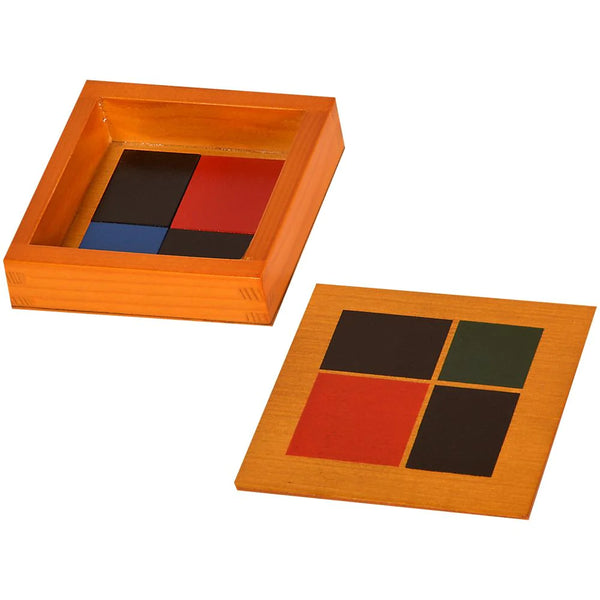
Montessori sensorial materials are specifically designed to isolate a single quality – colour, weight, texture, or dimension – allowing children to focus intensely and make discriminations. Think of the Pink Tower, where children grade cubes by size, or the Knobbed Cylinders, requiring precise eye-hand coordination. These activities demand sustained attention and develop working memory as children compare and recall sensory impressions. This focused work naturally strengthens cognitive flexibility, helping children shift their attention and adapt their thinking.
Exploring textures through "educational toys for toddlers" like fabric swatches or identifying sounds in a small apartment can mirror this at home. Our collection of Montessori sensorial materials is crafted to provide these rich, focused learning opportunities.
Freedom within Limits: Nurturing Self-Regulation
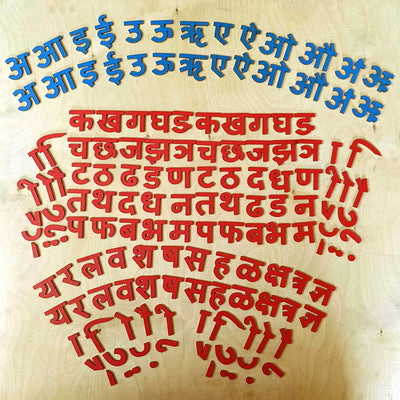
One of the hallmarks of Montessori education is "freedom within limits." Children are given the liberty to choose their activities and work at their own pace, as long as they respect the environment and others. This freedom is not chaos; it's a structured liberty that empowers children to make choices, manage their time, and take responsibility for their learning. When a child chooses to work with the movable alphabet or engage with counting beads, they are actively practising self-initiation and sustained attention – key components of executive function.
The Prepared Environment: Fostering Order and Concentration
A Montessori classroom is a meticulously "prepared environment" – orderly, inviting, and rich with materials arranged for easy access and logical progression. This inherent order helps children develop an internal sense of order, making it easier for them to concentrate and complete tasks without distraction. In Indian homes, whether a spacious independent house or a cosy apartment in Bengaluru, creating a dedicated, clutter-free "Montessori at home India" corner can significantly aid a child's focus and independence. Having a specific shelf for their educational toys for toddlers teaches them organisation and responsibility.
Self-Correction: Building Resilience and Problem-Solving
Many Montessori materials are designed with a "control of error," meaning the child can discover and correct their own mistakes without adult intervention. For instance, if a puzzle piece doesn't fit, the child immediately knows. This process cultivates problem-solving skills, perseverance, and resilience – all crucial aspects of cognitive flexibility. It teaches children to learn from their missteps, a skill invaluable in all aspects of "child development India," from learning to tie a shoelace to navigating social dynamics.
Key Takeaways
- Montessori children consistently demonstrate higher executive function skills.
- Practical Life activities cultivate self-control, planning, and sequencing.
- Sensorial materials enhance focus, working memory, and cognitive flexibility.
- Freedom within limits fosters self-regulation and independent decision-making.
- The prepared environment promotes order, concentration, and internal discipline.
- Self-correction mechanisms in materials build resilience and problem-solving abilities.
Frequently Asked Questions about Montessori & Executive Function
What is executive function in simple terms for parents?
Executive function refers to a set of brain skills that help children plan, focus attention, remember instructions, and juggle multiple tasks successfully. It enables them to control impulses, manage their emotions, and adapt to new situations, which are essential for learning and daily life.
How does Montessori specifically improve a child's focus?
Montessori improves focus through uninterrupted work cycles, the isolating nature of materials that target one concept at a time, and a calm, orderly environment. Children choose activities they are drawn to, leading to deep engagement and extended periods of concentration, known as 'normalisation'.
Can I help my child develop executive function at home with Montessori principles?
Absolutely! Create a "prepared environment" by having designated, accessible spaces for toys and books. Encourage independence through practical life activities like dressing themselves or helping with simple household chores. Offer educational toys for toddlers that promote problem-solving and self-correction.
Are Montessori materials essential for developing executive function?
While specific Montessori materials are highly effective, the underlying principles are more crucial. The materials are tools that embody these principles. You can foster executive function by providing open-ended materials, encouraging independent exploration, and creating opportunities for real-life problem-solving and choice-making.
At what age can parents start nurturing executive function skills using Montessori?
Executive function skills begin developing in infancy and continue through adolescence. Parents can start nurturing these skills from birth by responding predictably to a baby's needs, establishing routines, and providing age-appropriate Montessori learning activities as early as 0-3 years.
Empowering your child with strong executive function skills sets them up for a lifetime of success and adaptability. At SkilloToys.com, we are passionate about providing high-quality Montessori method learning materials that support this crucial development, helping Indian children thrive.