Montessori Classrooms: Why No Desks in Rows?
When you first step into a Montessori environment, whether it's a bustling classroom in Bengaluru or a dedicated corner in an Indian home, one of the most striking differences you’ll notice is the complete absence of traditional desks arranged in neat, military-style rows. This isn't just a design choice; it's a foundational element, a deliberate philosophical decision by Maria Montessori herself, deeply rooted in how children naturally learn and grow. The real reason Montessori classrooms have no desks in rows is to foster independence, encourage movement, and allow children the freedom to choose their own learning path.
The Montessori approach prioritises a child’s natural inclination to move, explore, and interact with their environment. The absence of fixed desks means children are not confined to one spot; instead, they are free to select materials from shelves, carry them to a rug or a small table, and engage with their chosen activity. This works because young children learn best through movement and hands-on experience, rather than passive listening. Parents can observe this principle in action by creating a “prepared environment” at home, offering open spaces and accessible, age-appropriate Montessori method learning materials and toys that encourage exploration.
Beyond the Bench: Why Montessori Emphasises Freedom of Movement
In many traditional Indian schools, children are often expected to sit still for long periods, an expectation that goes against a young child's developmental needs. Maria Montessori observed that children have an innate drive to move, and that this movement is not a distraction from learning, but an integral part of it. From the moment a toddler learns to walk, every step is a discovery, every reach a new connection. Montessori classrooms are designed to honour this natural urge.
Imagine a child carefully carrying a practical life material like a pouring pitcher or a basket of sorting beads to a floor mat. This act of carrying, walking, and setting up their workspace is as much a part of the learning process as the activity itself. It develops coordination, balance, and concentration. This freedom of movement is a cornerstone of Montessori at home India, where children might move from the living room floor to a small table in their bedroom as they engage in different Montessori learning activities.
Fostering Independence and Choice
Without desks tethering them, children in a Montessori environment gain incredible autonomy. They learn to choose their work, find a space to do it, complete the task, and then return the materials to their designated spot. This cycle of choice, work, and return is fundamental to building self-discipline and a sense of responsibility. It’s a powerful lesson in self-regulation, vital for child development India.
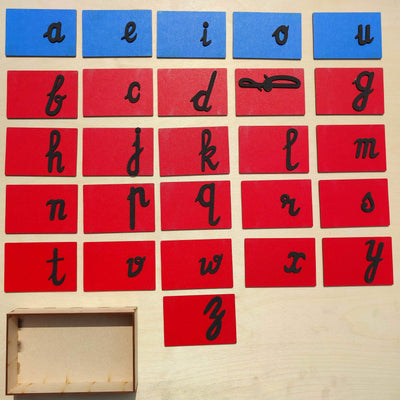
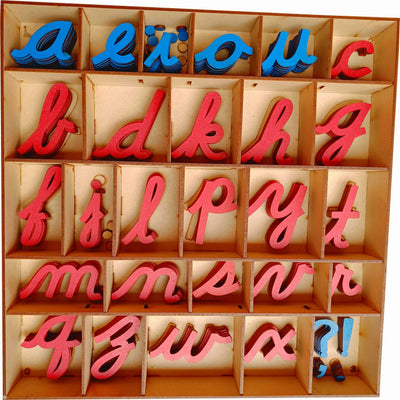
This principle is beautifully applicable in Indian homes, especially in joint family setups where space might be shared. Instead of a dedicated desk, a child might have a small, easily movable table or a personal mat for their work. This empowers them to decide where and when they want to engage with their educational toys for toddlers, whether it’s doing sandpaper letters on the floor while grandparents chat, or using the movable alphabet at a low table in their own space.
Learning Through Practical Life Activities
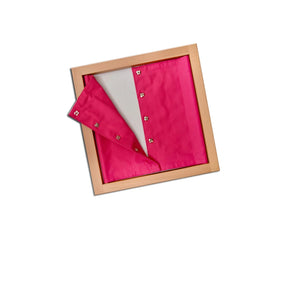
Montessori education places a strong emphasis on practical life activities – real-world tasks that help children develop independence and fine motor skills. Think of tasks like sweeping, washing hands, preparing a snack, or buttoning clothes. These activities inherently require movement and space. You can't wash dishes while glued to a desk!
In an Indian home, children often see elders performing daily chores and naturally want to participate. By providing child-sized tools and opportunities – like letting them help prepare ladoos during Diwali, water plants on the balcony, or sort lentils – we are essentially creating practical life experiences. The absence of desks in Montessori classrooms mirrors this natural way of learning by doing, allowing children to move freely as they master these essential life skills, building confidence and coordination.
Collaborative Learning & Community Building
When children are not confined to individual desks, the classroom transforms into a dynamic community. Children are free to observe each other, offer help, or even work together on a large rug. This promotes social interaction, empathy, and collaborative problem-solving – crucial social skills for their future.
This open, flexible environment encourages children to interact more naturally, much like how children learn from each other in a bustling Indian household. They might gather around a large floor mat for a group storytelling session or quietly work side-by-side, sharing a sense of purpose. This fosters a sense of belonging and mutual respect, foundational for holistic child development in India.
Key Takeaways
- Freedom of Movement: Montessori classrooms prioritise a child's natural need to move, understanding it as essential for cognitive development.
- Independence & Choice: The absence of fixed desks empowers children to choose their work, space, and pace, fostering self-direction and responsibility.
- Prepared Environment: Montessori spaces are designed with accessible materials and flexible workstations (mats, small tables) to support autonomous learning.
- Practical Life Skills: Activities requiring movement and real-world engagement are central to the curriculum, building coordination and self-sufficiency.
- Community & Collaboration: Open layouts encourage peer observation, interaction, and a collaborative learning atmosphere.
- Holistic Development: This design supports not just academic learning, but also physical, social, and emotional growth from ages 0-6 years.
FAQs about Montessori Classrooms and Home Setup
Why are there no blackboards in Montessori classrooms?
Montessori classrooms typically don't use blackboards because the learning is individualised and hands-on, not primarily teacher-led group instruction. Children engage directly with self-correcting materials, making a central blackboard unnecessary. Information is presented individually or in small groups as needed.
How can I create a Montessori-friendly workspace in a small Indian apartment?
Focus on accessibility and simplicity. Use low shelves for materials, a small, child-sized table that can be easily moved, and designated floor mats. Rotate educational toys regularly to keep the space uncluttered and engaging, even in compact areas common in Montessori at home India.
What are essential Montessori learning activities for a toddler at home?
For toddlers, focus on practical life activities like pouring, sweeping with a child-sized broom, buttoning, or zipping. Sensorial activities like sorting colours or textures, and early language activities using picture cards, are also excellent for fostering their natural curiosity and development.
Do Montessori classrooms use traditional grades or assessments?
Montessori education typically does not use traditional grades, tests, or competitive assessments. Instead, teachers observe each child's progress individually, tracking their mastery of concepts and skills. The focus is on self-assessment and the child's internal motivation, rather than external rewards or comparisons.
Understanding the thought behind a Montessori classroom’s design helps us appreciate the depth of this educational philosophy. At SkilloToys.com, we believe in empowering every Indian parent to bring these enriching principles into their home, supporting your child’s natural journey of discovery and learning.