Montessori Colour Box Activities for Toddlers
As Indian parents, we often marvel at the vibrant colours surrounding us – from the rich hues of a silk saree to the brilliant shades of a rangoli during Diwali. Our little ones, too, are naturally drawn to this kaleidoscope of colours. Introducing Montessori colour box activities for toddlers at home is a beautiful way to channel this natural curiosity into meaningful learning, fostering their visual sense and expanding their world.
So, what exactly are the Montessori Colour Boxes? These carefully designed sensorial materials are a cornerstone of Montessori education, specifically crafted to refine a child's visual discrimination of colour. The activities start with basic colour recognition and gradually introduce children to more subtle distinctions in shades and hues. This systematic approach allows toddlers to build a strong foundation for understanding colour concepts, enhancing their cognitive development and preparing them for more complex learning.
Understanding the Montessori Colour Boxes
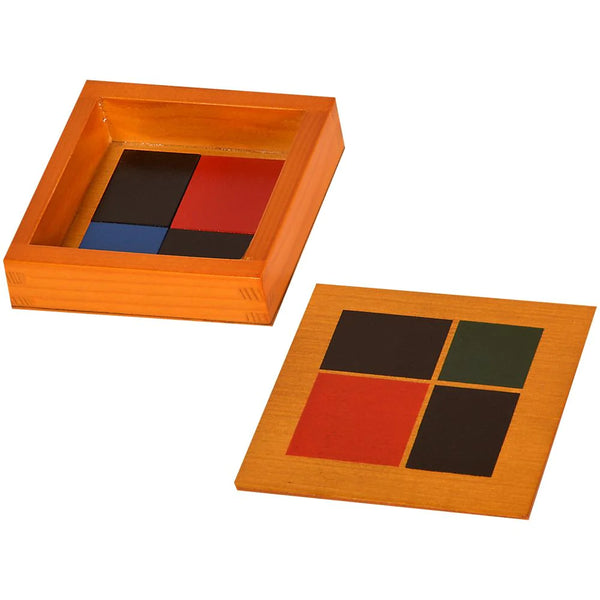
The Montessori method employs a sequential set of three Colour Boxes, each designed to introduce colour concepts progressively. This hands-on approach is crucial for early child development, helping toddlers organise their visual perceptions and build a rich vocabulary around colours. These Montessori sensorial materials are essential tools for building a strong foundation in a child's early learning journey.
Montessori Colour Box 1: The Primary Introduction
Colour Box 1 contains just three pairs of coloured tablets: red, yellow, and blue. The primary goal here is simple matching. A toddler learns to visually identify and pair identical colours. This initial exposure is not about naming colours but about developing the ability to discriminate and match.
This works because it isolates the quality of colour, allowing the child to focus solely on visual discrimination. Parents can guide their child to match the tablets, gently naming the colours as a secondary step once matching is consistent. This is a foundational activity for toddlers around 2 to 2.5 years, a perfect addition to any Montessori at home India setup.
Montessori Colour Box 2: Expanding the Palette
Building on the foundation of Colour Box 1, the second box introduces eleven pairs of different colours, including primary, secondary (green, orange, purple), and neutral colours (black, white, brown, grey, pink). The purpose here is still matching, but with a broader range of colours, children refine their visual acuity and expand their colour vocabulary.
For parents in bustling Indian homes, these educational toys for toddlers offer a quiet, focused activity. Encourage your child to find all the red tablets, then all the blue, and so on. You can also introduce the names of the colours, slowly linking the visual experience to language development, a key aspect of holistic child development India focuses on.
Montessori Colour Box 3: Exploring Graded Hues
The third and final colour box presents a challenge for advanced visual discrimination. It contains seven shades of nine different colours, ranging from darkest to lightest. Here, the child learns to grade the colours, arranging them in a spectrum from the darkest to the lightest shade of a single colour. This is a subtle yet profound activity that truly hones a child's perception.
This activity encourages intense concentration and a deep appreciation for the nuances of colour. Imagine a child meticulously arranging shades of green, much like an artist mixing colours for a painting of our beautiful Indian landscapes. These Montessori learning activities foster not just visual skills but also an artistic sensibility.
Practical Colour Activities for Your Indian Home
Beyond the formal colour boxes, there are countless ways to integrate colour learning into daily life, making Montessori principles accessible and engaging for your child. The beauty of Montessori is its adaptability to any environment, including small apartments or joint family settings where space might be shared.
Colour Scavenger Hunts Around the House
Turn colour identification into a fun game! Ask your toddler to find something red in the living room, or something blue in the kitchen. "Can you find a red tomato, beta?" or "Where is Mummy's blue bindi?" This makes learning interactive and connects abstract colours to tangible objects they see every day. Even grandparents can join in, making it a wonderful intergenerational activity.
Sorting Everyday Items by Colour
Involve your child in simple household chores. When sorting laundry, ask them to put all the white clothes in one pile and the coloured ones in another. At the vegetable market, point out the green chillies, the red tomatoes, and the purple brinjal. This practical life activity reinforces colour recognition and develops fine motor skills, teaching them about the world around them in a playful manner.
Nature's Palette: Exploring Outdoors
India's diverse flora offers a natural colour box. Take your child for a walk in the park or garden and identify colours. "Look at the yellow marigold!" or "That leaf is such a beautiful shade of green!" Collecting fallen leaves or flowers of different colours and then sorting them is a wonderful way to connect with nature and learn simultaneously.
Connecting Colours to Festivals and Culture
Our festivals are a riot of colours! Talk about the vibrant hues of a Diwali diya, the joyous colours of Holi powders, or the specific colours used in traditional clothing for weddings. This cultural connection makes colour learning relevant and deeply rooted in their Indian identity, fostering a sense of belonging and cultural appreciation. Such engaging activities truly make Montessori at home India a joyful experience.
Benefits Beyond Colour Recognition
Engaging with Montessori colour box activities does more than just teach children their colours. It lays crucial groundwork for various aspects of child development. These activities cultivate observation skills, logical thinking, and concentration – all vital for future academic success.
Moreover, as children learn to articulate the names of colours and shades, their language skills flourish. This enriched vocabulary helps them describe their world with greater precision and confidence. It's not just about 'red'; it's about 'light red' or 'dark red,' fostering a deeper understanding and appreciation for nuance.
At SkilloToys.com, we believe in empowering Indian parents with thoughtfully designed, high-quality educational toys that support every stage of their child's development. Exploring the world of colours with Montessori materials is a beautiful journey, and we're here to provide the tools for that adventure.