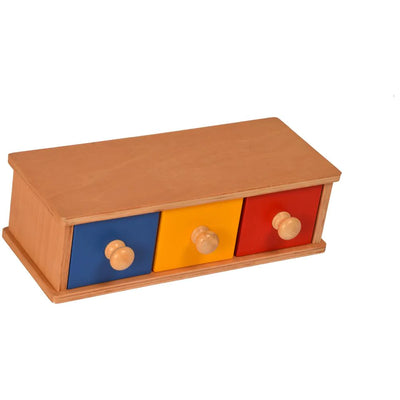
Montessori for Toddler Focus: Beating Distraction
It’s a familiar scene in many Indian homes: your little one picks up a toy, plays with it for a minute, then darts off to the next shiny object, leaving a trail of half-finished activities. In our vibrant, often bustling environments, it can feel like a real challenge when it comes to building concentration and focus in distracted toddlers with Montessori. But what if we told you that your child's 'distraction' isn't a flaw, but an opportunity? Montessori offers a beautiful, gentle pathway to nurture their innate capacity for deep, sustained attention.
So, how does Montessori help a distracted toddler develop focus? Montessori's approach to concentration is rooted in the belief that children learn best through self-directed, purposeful activity within a specially prepared environment. This works because it aligns with a child's natural developmental drive for order, independence, and exploration. Parents can foster this by observing their child's interests and providing engaging, age-appropriate materials that allow for deep, uninterrupted work cycles.
Why Toddlers Get Distracted (And Why It's Normal)
Toddlers are naturally curious explorers. Their brains are rapidly developing, processing an overwhelming amount of information from their surroundings. What appears as 'distraction' is often their way of taking in the world, shifting attention as new stimuli arrive. In a busy Indian household, with the sounds of cooking, conversations, or even the lively street outside, it's easy for little ones to feel overwhelmed.
However, while natural, we can certainly help them extend their attention spans. Maria Montessori observed that children, when truly engaged, exhibit what she called 'normalisation' – a state of deep concentration and inner peace. Our goal isn't to suppress their curiosity, but to channel it towards meaningful engagement that naturally builds focus.
Creating a Montessori-Inspired 'Prepared Environment' at Home
The foundation of Montessori's success in fostering concentration lies in the 'prepared environment'. This isn't about fancy furniture, but thoughtful arrangement that invites your child to explore and learn independently. Even in smaller Indian apartments or shared living spaces, you can create these pockets of calm.
Order and Simplicity
Imagine walking into a room where everything has a place, and there aren't too many choices. This is calming for adults, and even more so for toddlers. Present activities on open shelves, each with its own designated spot. Rotate toys regularly to keep interest fresh without overwhelming them with options. This simple order helps children predict their environment, reducing cognitive load and encouraging them to choose one activity and stick with it.
Child-Sized Everything for Independence
Montessori emphasizes empowering the child. Provide child-sized furniture – a small table, a low stool – and materials they can easily access and manipulate. This encourages self-reliance. Think about a tiny pitcher for pouring water, or a small broom to help with sweeping after meals. When children feel capable and independent, they are more likely to engage deeply with their chosen task.
Intentional, Engaging Activities
Instead of a pile of random toys, offer activities that have a clear purpose and a beginning, middle, and end. These could be practical life tasks, sensorial explorations, or simple puzzles. Look for materials that engage multiple senses and invite exploration, such as those found in Montessori sensorial materials. When an activity holds genuine interest, concentration follows naturally.
Montessori Activities to Nurture Focus
Montessori is famous for its practical, hands-on activities that naturally draw children into deep engagement. These are often called 'work' because they are purposeful and contribute to the child's development.
Practical Life Skills: Everyday Tasks, Big Focus
Everyday activities are goldmines for concentration building. In an Indian context, this could mean helping a grandparent sort pulses (dals), wiping up spills with a small cloth, or assisting in making chapatis. Activities like scooping grains, pouring water, or transferring beads are fantastic for developing fine motor skills and hand-eye coordination, which are crucial precursors to focused attention. You can find many wonderful toys and games for fine motor skills that support these activities.
Sensorial Exploration: Engaging All the Senses
Maria Montessori designed beautiful materials specifically to refine a child's senses. Think of the Montessori Pink Tower, which helps children discriminate dimensions, or Sandpaper Letters, which introduce phonics through touch. These materials isolate one quality (like size, color, or texture), allowing the child to focus intensely on that single attribute without distraction. When a child works with these materials, they are not just playing; they are building neural pathways for analytical thinking and focused attention.
Repetition and Observation: Allowing Deep Work
One of the most powerful aspects of Montessori is allowing the child to repeat an activity as many times as they wish, undisturbed. If your child is engrossed in stacking blocks or arranging a puzzle, resist the urge to interrupt or 'help'. Observe their deep concentration. This 'work cycle' allows them to refine their movements, internalize concepts, and truly practice focus. It's during these periods of self-chosen, repeated work that concentration blossoms.
The Role of the Parent: Gentle Guidance, Not Intervention
As parents, our role is less about teaching and more about facilitating. Provide the prepared environment, introduce activities clearly, and then step back. Trust your child's innate drive to learn and focus. Avoid interrupting a child who is deeply engrossed in an activity, even if it seems simple or repetitive to you. Your quiet observation and respect for their concentration are powerful motivators. Model focused behavior yourself, whether it's reading a book or completing a chore, to show them what concentration looks like.
Key Takeaways
- A 'prepared environment' with order, simplicity, and child-sized accessibility is crucial for fostering focus.
- Practical Life activities (like pouring, sweeping, or sorting) build concentration through real-world purpose.
- Sensorial materials engage children deeply by isolating and refining sensory experiences.
- Allow children to repeat activities undisturbed; this is how deep concentration develops.
- Parents should observe and guide gently, rather than intervene or direct play.
- Montessori principles help channel a toddler's natural curiosity into sustained, meaningful engagement.
How long should my toddler focus at a time?
A typical guideline is 2-5 minutes per year of age. So, a 2-year-old might focus for 4-10 minutes. However, with engaging Montessori activities, you might observe periods of 'false fatigue' followed by intense, much longer concentration cycles. The key is to follow your child's lead.
Are all educational toys Montessori?
No, not all educational toys align with Montessori principles. Montessori materials are typically single-purpose, self-correcting, made from natural materials, and designed to develop a specific skill or concept. They are meant to be explored independently rather than directed by an adult.
What if my child doesn't show interest in Montessori activities?
First, observe what genuinely captures their attention in their everyday life. Perhaps the activities are too complex, too simple, or simply not aligned with their current developmental phase. Introduce one activity at a time, model its use, and then step back. Remember, children learn at their own pace, and interest can develop over time.
Can Montessori help with hyperactive toddlers?
Yes, Montessori principles can be incredibly beneficial for children with high energy levels. The focus on purposeful movement, order, and choice within limits can provide a calming structure. Activities that involve gross motor skills (like climbing, balancing) followed by fine motor, focused work can help channel their energy constructively and build self-regulation.
Embracing Montessori at home is a journey of discovery, both for your child and for you as a parent. By creating an environment that respects your child's natural abilities and provides engaging, purposeful activities, you'll be amazed at how their concentration and focus flourish. Explore our curated selection of Montessori educational toys and materials at SkilloToys.com to support your child's incredible potential.