Montessori Home Environment for Indian Families
As Indian parents, we often juggle rich family traditions with the demands of modern life. If you've been curious about the Montessori approach, you're likely wondering how to bring its magic into your unique home. It’s entirely possible to create a nurturing, child-led space, and this guide is all about preparing your home environment the Montessori way for Indian families, specifically for children aged 0-6 years. Far from requiring a complete overhaul, it's about thoughtful adjustments that empower your little one to thrive.
In Montessori philosophy, a 'prepared environment' is a carefully arranged space designed to support a child's independence and natural development. This works because children are inherently driven to learn and explore, and a well-ordered environment allows them to safely engage with activities at their own pace. Parents can create such a space by making materials accessible, promoting freedom of movement, and fostering a sense of calm and order.
Understanding the Prepared Environment in an Indian Context
The beauty of Montessori lies in its adaptability. For Indian families, this means harmonizing core Montessori principles with our vibrant culture, multi-generational homes, and sometimes, smaller living spaces. It’s not about stripping away our traditions, but rather integrating the child's perspective into them – whether it's setting up a cozy reading nook or involving them respectfully in festival preparations.
Setting Up a "Yes" Space for Exploration
Imagine a space where your child can freely explore without constant 'no's'. This 'yes' space involves making items accessible and safe. Think low shelves where wooden toys and books are within reach, a child-sized stool in the kitchen, or a dedicated mat for their activities. This thoughtful arrangement cultivates independence from an early age, fostering a sense of competence.
Practical Life Activities: Integrating Indian Routines
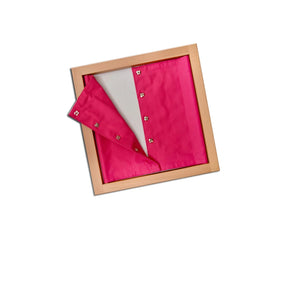
Practical life activities are the cornerstone of early Montessori learning, focusing on real-world skills. In an Indian home, these can be wonderfully integrated into daily routines. Picture your toddler helping sort lentils, wiping spills after a meal, or carefully watering a small tulsi plant. Providing child-sized tools and practical life Montessori materials allows them to participate meaningfully, developing concentration and coordination while contributing to family life.
Nurturing Cognitive Growth with Montessori Learning Activities
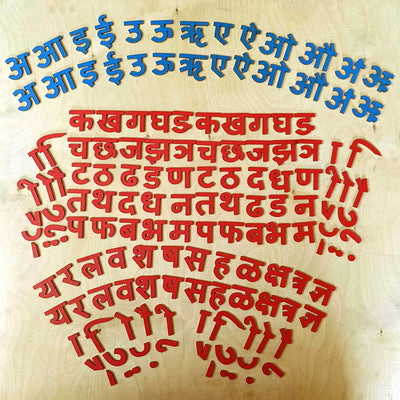
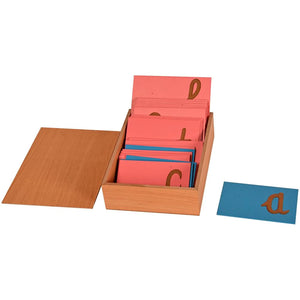
Beyond practical life, a prepared environment offers rich opportunities for cognitive development. Think about carefully chosen educational toys for toddlers that engage their senses and intellect. Introducing materials like sandpaper letters for early literacy or the pink tower for developing visual discrimination can be captivating Montessori learning activities. These experiences lay a strong foundation for abstract thought, preparing them for future academic success and developing child development India standards in an enriching way.
Adapting to Small Spaces and Joint Families
Many Indian families live in cozy apartments or vibrant joint family settings. This doesn't hinder Montessori; it simply calls for creative adaptation. Designate specific, small areas for different activities, perhaps using a foldable mat that signals 'work time' and can be stored away. Rotating materials keeps interest fresh without cluttering your space. In a joint family, respectfully explain the 'why' behind the setup to grandparents and other family members, highlighting the child's burgeoning independence and joy.
Involving grandparents can be a beautiful aspect of Montessori at home. They can be invaluable partners in fostering independence, perhaps by showing the child how to fold clothes or tell stories with cultural significance. Respecting the child's focused work time, even amidst the loving bustle of a joint family, is key to nurturing their innate concentration.
Key Takeaways
- Creating a Montessori home environment is about thoughtful adaptation, not strict replication, especially for Indian families.
- Prioritise a 'yes' space with accessible, child-sized materials to foster independence and freedom of movement.
- Integrate practical life activities into daily Indian routines, allowing children to contribute meaningfully.
- Offer purposeful Montessori learning materials to support cognitive and sensory development.
- Adapt to small spaces and joint families by designating zones, rotating materials, and involving family members through understanding and respect.
- The goal is to empower the child, foster concentration, and cultivate a lifelong love for learning within their cultural context.
Frequently Asked Questions
Is Montessori suitable for small Indian apartments?
Absolutely! Montessori principles are highly adaptable. Focus on creating designated 'work zones' using mats, rotating materials regularly to keep spaces tidy, and utilizing vertical space with low, accessible shelves rather than requiring large dedicated rooms.
How can I involve grandparents in Montessori at home?
Begin by explaining the philosophy gently, perhaps by demonstrating how your child independently completes a task. Invite them to participate in practical life activities, such as preparing snacks or gardening, emphasizing the child's development of self-reliance and concentration.
What are essential Montessori materials for a newborn (0-6 months)?
For newborns, focus on sensory exploration. Mobiles (Munari, Octahedron), a grasping rattle, a soft mat for movement, and a mirror at floor level are excellent starting points. These encourage visual tracking, grasping reflexes, and self-discovery.
Can I make Montessori materials at home using local resources?
Yes, absolutely! Many practical life activities can be improvised with household items like small pitchers for pouring water, beads for sorting, or traditional Indian cloths for folding. Creativity with local, safe materials is highly encouraged to enhance Montessori at home India practices.
Embracing the Montessori philosophy in your Indian home is a beautiful journey of observation, adaptation, and discovery. By nurturing your child's innate capabilities, you’re not just preparing a space, but preparing them for life itself. For a curated selection of authentic and high-quality Montessori and educational toys, explore SkilloToys.com.