Montessori Homeschooling in India: A Beginner's Guide
Embracing a learning journey at home for your little one can feel both exciting and a tad overwhelming, especially when you're exploring philosophies like Montessori. If you're an Indian parent wondering how to start Montessori homeschooling in India, you're in the right place. Many families are discovering the joy and profound benefits of this child-led approach right within their own homes, adapting it beautifully to our vibrant Indian culture and family structures.
What Exactly is Montessori?
At its heart, Montessori is an educational philosophy developed by Dr. Maria Montessori, focusing on the child's natural curiosity and innate drive to learn. It’s about creating a 'prepared environment' where children can freely explore and discover at their own pace. This method thrives on hands-on learning, self-correction, and fostering independence from a very young age. This works because children are intrinsically motivated learners; given the right tools and freedom, they will absorb knowledge and develop skills naturally. Parents can observe their child's interests and provide activities that meet their developmental needs, making it ideal for a personalised approach like Montessori at home India.
Why Montessori at Home: The Indian Context
Choosing Montessori homeschooling offers incredible flexibility, which is often a boon in the dynamic Indian family setup. Whether you live in a bustling joint family or a cosy apartment, this approach adapts. It allows you to align your child's learning with family routines, celebrations of Indian festivals, and even grandparent involvement, creating a rich, culturally relevant experience. It’s a wonderful way to foster a lifelong love for learning, tailored specifically to your child's unique pace and personality, while saving on preschool costs in the long run.
Creating Your Prepared Environment
The concept of a 'prepared environment' is central to Montessori. It doesn't mean transforming your entire home into a classroom, but rather thoughtfully arranging a specific space – even a small corner – that is safe, accessible, and inviting for your child's exploration.
Declutter and Organise for Peace
Begin by decluttering. In many Indian homes, space can be a premium, so thoughtful organisation is key. Remove distractions and arrange materials neatly on low shelves or in baskets. Think about practicality: can your child independently access their activities? Even a small rug can define their 'work space' in a shared living area, allowing them to concentrate without constant adult intervention.
Child-Sized Everything for Independence
Imagine the world from your child's perspective. Low shelves, a small table and chair, and child-friendly tools (like a mini broom, small pouring jug, or kid-safe kitchen utensils) empower them to participate. This promotes self-reliance and motor skill development. These simple changes help children feel competent and capable, rather than frustrated by adult-sized items.
Thoughtful Materials: Quality Over Quantity
Montessori materials are designed to isolate concepts and be self-correcting, making them powerful learning tools. You don't need every material at once; start with a few age-appropriate ones that cater to current interests. SkilloToys.com offers a wonderful range of Montessori educational toys and learning materials that are perfect for establishing a prepared environment in your Indian home.
Observing Your Child: The Heart of Montessori
Maria Montessori stressed the importance of observation. Rather than dictating what your child should learn, observe what fascinates them, what they repeat, and what they struggle with. These observations reveal their 'sensitive periods' – windows of intense interest in specific areas like language, order, or small objects. By observing, you can provide activities that genuinely meet their current developmental needs and foster holistic child development India.
Practical Life Activities: The Indian Way
Practical life activities are the foundation of Montessori, teaching children independence and coordination through everyday tasks. In an Indian home, these are abundant! Think about involving your child in: sweeping a small area, dusting low furniture, helping sort lentils or rice (under supervision), watering plants on the balcony, or washing their own small cup. These activities refine fine motor skills, concentration, and a sense of responsibility. Explore quality practical life Montessori materials to support these essential skills.
Embracing Sensorial Learning
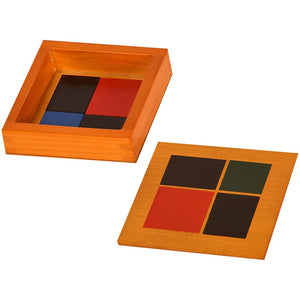
Children learn through their senses. Montessori offers specific materials like the Pink Tower and Brown Stair that help children classify and understand concepts like size, shape, and dimension. You can also incorporate sensorial exploration using everyday items found in India: identify different spices by smell, explore various fabric textures (cotton, silk, wool), or collect natural materials like stones and leaves to sort and feel. These Montessori learning activities sharpen their senses and build a foundation for abstract thought.
Language and Math: Early Explorations
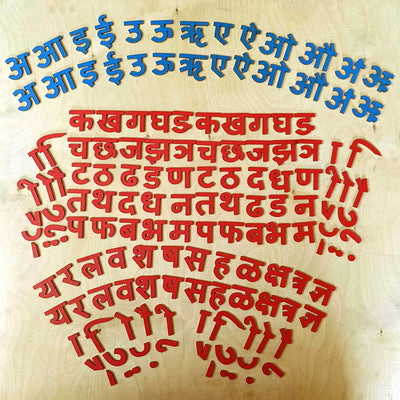
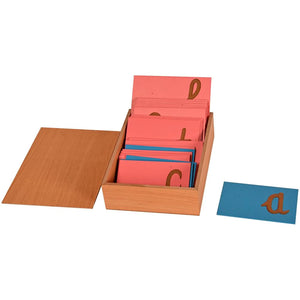
For language development, materials like sandpaper letters and the movable alphabet are fantastic for introducing phonetic sounds and early word building. In a multilingual Indian home, this can be adapted to introduce sounds from various languages. For early math, use tangible objects: count bindis, beads, or small stones. Introduce concepts of quantity and sequence in a concrete, hands-on way, laying a strong foundation for future mathematical understanding.
Your Role as a Homeschooling Parent
As a Montessori homeschooling parent, your role is that of a guide, not a lecturer. Prepare the environment, present activities clearly, and then step back. Trust in your child's innate capabilities. Be patient, model respectful behaviour, and understand that errors are part of learning. Continuous learning is also for you! Embrace this journey with an open mind, and you'll witness your child's amazing growth. SkilloToys.com is here to support you with a curated selection of Montessori-inspired educational toys to aid your homeschooling journey.
Key Takeaways for Starting Montessori Homeschooling
- **Understand the Philosophy:** Montessori focuses on child-led learning and a prepared environment.
- **Start Small:** Begin by creating a dedicated, clutter-free space with accessible, age-appropriate materials.
- **Prioritise Observation:** Watch your child closely to understand their interests and developmental needs.
- **Integrate Practical Life:** Use everyday Indian home tasks to build independence and motor skills.
- **Choose Quality Materials:** Invest in thoughtfully designed Montessori tools that isolate concepts.
- **Be a Guide:** Facilitate learning by preparing the environment and trusting your child's innate drive.
- **Adapt to Your Home:** Montessori is flexible and can be beautifully integrated into any Indian family setting.
Frequently Asked Questions About Montessori Homeschooling in India
How much space do I need for Montessori homeschooling in India?
You don't need a large dedicated room. Montessori can thrive in a small corner of your child's bedroom or living area. The key is thoughtful organisation and decluttering to create an inviting, accessible 'work space' for your child, no matter the size.
Can Montessori work for children in joint families?
Absolutely! Montessori's emphasis on respect, practical life, and independent work can integrate seamlessly. Grandparents and other family members can be wonderful role models, sharing cultural knowledge and traditions, and participating in age-appropriate activities, enriching the child's learning experience.
What are essential Montessori materials for beginners?
Start with practical life materials (small pitchers, cloths, child-sized tools), sensorial items (like a lacing bead set or nesting dolls), and early language/math materials (sandpaper letters, counting beads). Focus on materials that cater to your child's current sensitive periods and interests rather than buying everything at once.
How do I manage screen time with Montessori principles?
Montessori generally advocates for minimal or no screen time for young children, as it can hinder concentration and real-world interaction. If used, ensure it's purposeful, interactive, and limited. Prioritise hands-on, engaging activities in the prepared environment to foster deeper learning and development.
How do I assess my child's progress in a Montessori home environment?
Assessment in Montessori is primarily through observation. Rather than formal tests, you'll notice mastery when your child consistently completes an activity independently, moves on to more complex tasks, or applies learned skills in new contexts. Keep a simple journal of observations to track their development and interests.
Embarking on the Montessori homeschooling journey in India is a beautiful commitment to your child's holistic development. It’s about nurturing their inner potential, celebrating their independence, and fostering a deep love for learning. SkilloToys.com is proud to be your partner, providing quality Montessori and educational toys to support every step of this rewarding path.