Montessori Kids & Executive Function: Higher Scores Explained
As Indian parents, we often marvel at children who can focus intently on a task, solve problems creatively, or manage their emotions gracefully. These vital life skills are deeply rooted in what developmental psychologists call 'executive functions.' It's fascinating to observe that Montessori children often score higher in executive function studies, demonstrating superior abilities in planning, working memory, and self-control. But why exactly does this happen?
At its heart, executive function refers to the set of mental skills that help us get things done. These are the brain's control centre, crucial for everything from remembering a shopping list for the local kirana store to planning a big family celebration like Diwali. They include:
- Working Memory: Holding information in mind and using it.
- Cognitive Flexibility: Shifting between different tasks or ways of thinking.
- Self-Control (or Inhibitory Control): Resisting impulses and staying focused.
Developing these skills early on sets children up for success not just in academics, but in all areas of life, from navigating friendships to managing household chores.
Practical Life Skills: Building Blocks for Brain Power
One of the most profound aspects of the Montessori method, especially for young children, is its emphasis on Practical Life activities. These aren't just 'chores'; they are meticulously designed Montessori learning activities that build concentration, coordination, independence, and order.
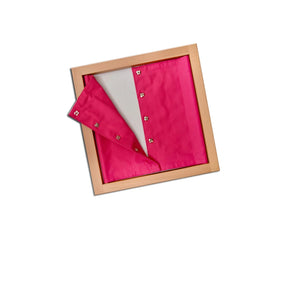
Activities like pouring water without spilling, sweeping up a small spill, buttoning clothes, or helping prepare snacks – tasks that might seem simple to adults – are complex exercises for a child's developing brain. For instance, carefully pouring water into a glass requires planning, fine motor control, and focused attention. In an Indian home, this could mean a child helping with the puja preparations by carefully arranging flowers, or serving small portions of ladoos to guests.
This works because each step requires decision-making and self-correction, strengthening the neural pathways associated with executive functions. Parents can easily integrate these practical life activities into their daily routine, offering child-sized tools and opportunities for contribution, fostering independence right from their own small apartment or a bustling joint family home.
Sensorial Exploration: Sharpening Focus and Discrimination
Montessori education introduces children to a rich array of sensorial materials. Think of the iconic Pink Tower, Brown Stair, or Cylinder Blocks. These materials are not just fun; they are precisely crafted to isolate qualities like size, shape, colour, and weight, allowing the child to develop a refined understanding of their environment through their senses.
When a child works with the Pink Tower, they are not just stacking blocks; they are learning to grade by dimension, making precise visual distinctions and developing an inner sense of order. This repeated, self-directed engagement with specific properties hones their attention to detail and builds working memory. Such focused sensorial work helps children differentiate and categorise, skills that directly feed into cognitive flexibility and problem-solving.
The Power of Choice and Concentration
In a Montessori environment, children are given the freedom to choose their own 'work' from a range of prepared activities. This freedom isn't chaotic; it's a carefully structured choice within limits. When a child chooses an activity, their intrinsic motivation is ignited, leading to deeper engagement and sustained concentration.
This self-directed learning is pivotal for executive function development. It fosters a sense of responsibility and ownership over their learning journey. Imagine a child in an Indian home choosing to help their grandparents sort spices or selecting their own outfit for a festival. These seemingly small choices are powerful acts of self-determination, building decision-making skills and self-regulation.
The Prepared Environment: Order and Independence
Maria Montessori's concept of the 'prepared environment' is fundamental. This is an environment that is meticulously organised, accessible, and designed for the child's developmental needs. Everything has its place, and children learn to put materials back after use. This inherent order helps children predict, plan, and feel secure, reducing cognitive load and allowing them to focus on their chosen activity.
Even in a compact Indian home, creating a dedicated 'work mat' or a low shelf with a few carefully selected educational toys for toddlers can make a world of difference. Such an environment encourages independent exploration and problem-solving, without constant adult intervention, which is key for child development in India and globally.
Self-Correction: Learning from Within
Many Montessori materials are designed with a 'control of error' built-in. This means the child can usually detect and correct their own mistakes without adult interference. For instance, if the Pink Tower isn't built correctly, it will be unstable. If a puzzle piece doesn't fit, it's immediately obvious.
This process of self-correction is a powerful lesson in cognitive flexibility and perseverance. It teaches children that mistakes are opportunities for learning, fostering resilience and a 'growth mindset' crucial for effective executive functioning. Instead of waiting for an adult's approval or correction, they develop an internal locus of control and problem-solving strategies.
Key Takeaways
- Montessori fosters strong executive functions (working memory, cognitive flexibility, self-control) through its unique approach.
- Practical Life activities, from dressing to pouring, build foundational skills for planning and sequencing.
- Sensorial materials refine perception and attention, enhancing a child's ability to focus and discriminate.
- Freedom of choice in a prepared environment empowers children, promoting concentration and intrinsic motivation.
- Self-correction embedded in materials teaches resilience and independent problem-solving.
- These foundational elements contribute significantly to why Montessori children often show higher scores in executive function studies.
Frequently Asked Questions About Executive Functions & Montessori
What exactly are executive functions?
Executive functions are a set of mental skills that include working memory, flexible thinking, and self-control. They act as the brain's 'control tower,' helping us manage thoughts, actions, and emotions to achieve goals, from simple daily tasks to complex problem-solving.
How can I support executive function development at home?
You can support it by offering practical life activities (like helping with chores), providing a prepared environment with organised materials, allowing choices within limits, and encouraging independent play with educational toys for toddlers that promote self-correction.
Are Montessori educational toys for toddlers different from regular toys?
Yes, Montessori materials are typically single-purpose, made from natural materials, and designed to engage one sense or teach one concept at a time. They often have a 'control of error' for self-correction, fostering deeper concentration and skill development compared to many multi-functional plastic toys.
Is Montessori at home in India feasible in a joint family setting?
Absolutely! Montessori principles like a prepared environment can be adapted by creating a designated 'work' corner or using a mat even in a shared space. In a joint family, grandparents and other relatives can also participate, reinforcing practical life skills and fostering a sense of community and responsibility in the child.
What age is best to start Montessori learning activities?
Montessori principles can be introduced from birth. Practical life activities often begin around 18 months to 2.5 years, aligning with a child's natural drive for independence and exploration. However, it's never too late to start incorporating Montessori elements into your child's learning journey.
The Montessori approach nurtures not just academic intelligence, but a child's entire being, laying a strong foundation for crucial life skills. By understanding these principles, we can better support our children's development. Explore authentic Montessori materials and educational toys at SkilloToys.com to empower your child's learning journey.