Montessori Language Arts for Preschoolers at Home
Imagine your little one, eyes sparkling, as they confidently sound out their first words or trace letters with a tiny finger. It's a truly special moment for any parent, and with a well-structured Montessori language arts curriculum for preschoolers at home, this journey can be even more enriching and joyful. Here in India, where families often cherish rich oral traditions and multilingual environments, the Montessori approach offers a gentle yet powerful path to literacy for our youngest learners.
A Montessori language arts curriculum is a comprehensive, multi-sensory approach designed to develop a child's spoken language, reading, and writing skills sequentially and naturally. This works because it follows the child's innate developmental timeline, moving from concrete experiences to abstract understanding, allowing them to absorb language with ease and confidence. Parents can effectively implement this by preparing a language-rich environment and offering carefully designed materials at home.
The Foundations: Spoken Language in the Indian Home
Before a child can read or write, they must first speak, listen, and understand. In our bustling Indian homes, often filled with the chatter of grandparents, aunts, and uncles, children are naturally immersed in a rich tapestry of spoken language. Encourage this by engaging your child in conversations about their day, narrating daily activities like making dosa or visiting the local market. Share stories from epics like the Ramayana or Mahabharata, sing traditional lullabies (loris) in your regional language, and introduce new vocabulary during vibrant festivals like Diwali or Onam. These interactions are fundamental for healthy child development in India, fostering a broad vocabulary and strong comprehension skills.
Building Blocks: From Sounds to Symbols
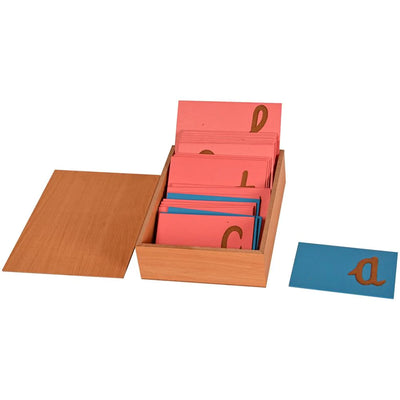
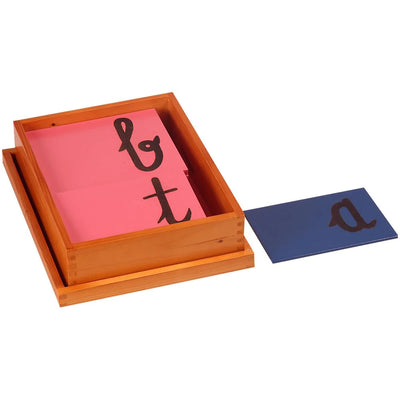
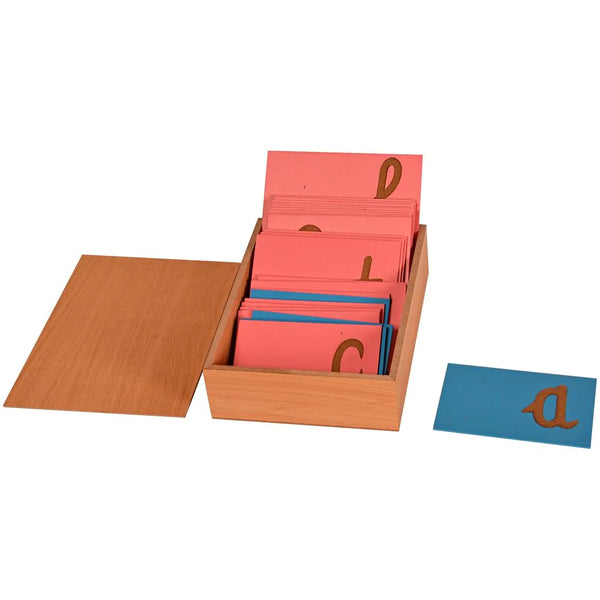
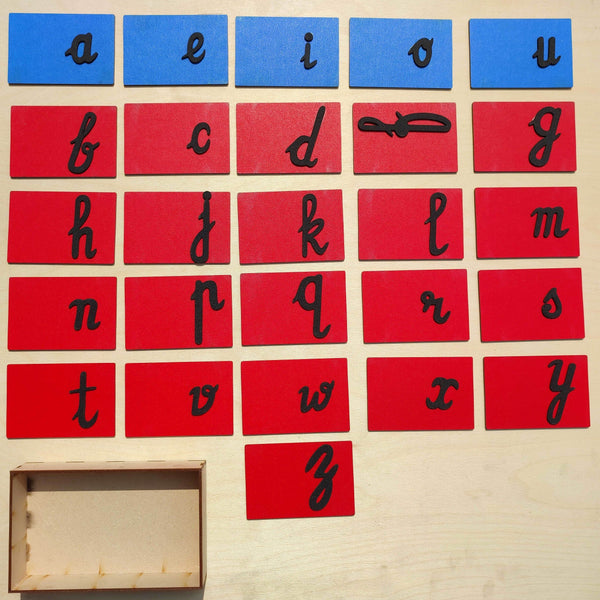
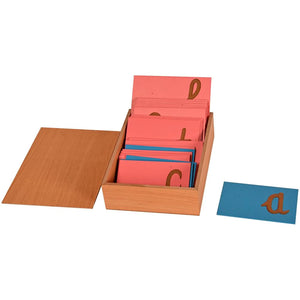
Once a child shows interest in sounds and letters, typically around 2.5 to 3 years, we move to phonetic awareness. The Montessori method emphasizes learning letter sounds before letter names. This crucial step helps children connect the sound 'm' with the symbol 'm'. A cornerstone material for this is the Montessori Sandpaper Letters. Children trace the textured letter while hearing its sound, engaging both tactile and auditory senses simultaneously, making the abstract concept of a letter concrete.
Developing Reading Skills at Home
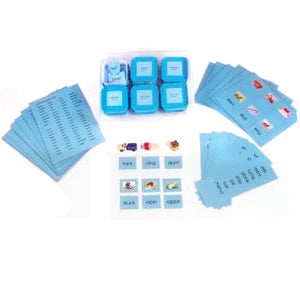
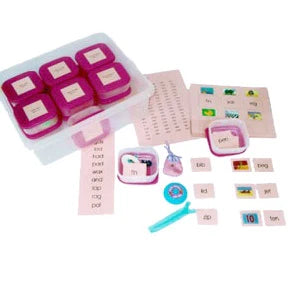
With a solid foundation in letter sounds, children naturally move towards blending these sounds to form words. Start with simple three-letter phonetic words (CVC words like 'cat', 'mat', 'sun') using small objects or picture cards that represent these words. For advanced blending and word building, the Montessori Movable Alphabet becomes an invaluable tool. Children select individual letters to construct words, offering a tactile way to 'write' even before they have mastered pencil control. This direct, hands-on engagement makes these Montessori learning activities an exciting adventure, allowing children to experiment with language at their own pace.
Beyond Phonics: Sight Words and Storytelling
As children gain confidence with phonetic words, they encounter sight words – words that don't always follow phonetic rules or are very common (e.g., 'the', 'is', 'a'). Introduce these gradually through flashcards or by pointing them out in books. Encourage reading simple stories, initially with you, then independently. Remember, the goal is not just decoding words but comprehending the story, fostering a lifelong love for reading. Even a small stack of books in a cosy corner of your apartment can become a magical library, inviting your child into the world of stories.
Nurturing Early Writing Skills
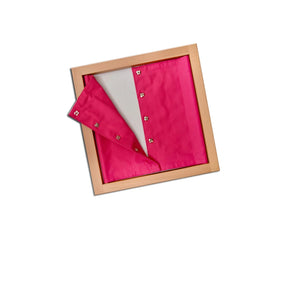
Montessori writing development also follows a natural progression, often starting before reading. Fine motor skills are crucial for holding a pencil, and many daily tasks prepare the hand. Incorporate practical life activities like pouring rice, using tongs to transfer small objects, buttoning clothes, or drawing intricate rangoli patterns – these indirectly strengthen finger muscles and develop precision. Tracing Sandpaper Letters, drawing on slates, and later using the Movable Alphabet for 'writing' words are all vital steps towards fluent written expression. This comprehensive approach ensures that children develop both the physical dexterity and the cognitive understanding required for written language. Exploring a wide range of such Montessori method learning materials can significantly support this journey, serving as excellent educational toys for toddlers and preschoolers.
Integrating Montessori into Daily Indian Life
Integrating Montessori language arts doesn't mean transforming your entire home into a formal classroom. It's about intentional living and observation. Label items around your house in English and your regional language (e.g., 'table/मेज'), creating an 'at home' bilingual environment. Involve children in making grocery lists, writing small notes for family members, or helping craft invitations for a festival celebration. Even seemingly mundane tasks become language-rich experiences, turning your home into a dynamic learning hub for 'Montessori at home India'. Observe your child's interests and readiness, letting their natural curiosity guide the introduction of new concepts.
Embarking on the Montessori language arts journey with your preschooler at home is a rewarding experience, one that builds not just literacy, but confidence and a deep love for learning. With patience, observation, and the right resources, you can lay a beautiful linguistic foundation for your child. At SkilloToys.com, we are committed to providing high-quality, authentic Montessori materials to support every step of your child's educational adventure, making quality child development tools accessible across India.