Montessori Play Space at Home Under ₹500
Many Indian parents dream of giving their children the best start, and the Montessori method often comes up as a wonderful way to foster independence and learning. However, the perception that it requires expensive, specially designed furniture and materials can be daunting, especially when thinking about Montessori at home India. What if we told you that setting up a Montessori play space at home under 500 rupees is not just possible, but incredibly rewarding?
It’s true! You don't need a lavish budget or a huge bungalow to create a nurturing, child-led environment. This post will guide you through simple, budget-friendly ideas to transform a corner of your home into a Montessori-inspired haven, perfect for nurturing your child's natural curiosity and development.
What is a Montessori Play Space?
A Montessori play space is a thoughtfully prepared environment designed to encourage a child's natural inclination to learn and explore independently. This works because it is set up at the child's level, offering accessible materials that promote concentration, practical life skills, and sensory exploration. Parents can create such a space by observing their child's interests and adapting their home to support these developmental needs.
In simple terms, it's about creating a safe, ordered, and beautiful space where everything has a purpose and a place, empowering your little one to choose, work, and learn at their own pace. This approach supports holistic child development India, respecting the child as an individual learner.
Budget-Friendly Montessori: Getting Started
Before you even think about buying anything, take a look around your home. Many everyday items can be repurposed beautifully. The goal is to create an inviting, clutter-free space that respects your child's independence, even in a small Indian apartment or a joint family home.
The Power of Low Shelves (and what to use instead!)
One of the hallmarks of a Montessori environment is low, accessible shelving. This allows children to choose their own activities and put them back. But shelves don’t have to be custom-made!
- Cardboard Boxes: Sturdy cardboard boxes, stacked securely or placed individually, can act as perfect low shelves. You can even cover them with old fabric scraps or newspaper for a neat look.
- Old Stools or Crates: An unused wooden stool or a sturdy plastic crate, turned on its side, can serve as a single shelf for a few rotating activities.
- Durries & Mats: In many Indian homes, a simple durrie or a small yoga mat on the floor defines a child's play area beautifully, negating the need for extensive furniture.
Practical Life Activities with Household Items
Practical life skills are central to Montessori, fostering independence and coordination. And the best part? Your kitchen and laundry room are treasure troves!
- Transferring Work: Two small bowls and a spoon (or even just hands) with some dals or rajma. This simple activity helps fine motor skills and concentration.
- Pouring Water: Small steel glasses or katoris with a jug of water (start with a few drops to manage spills!).
- Cloth Folding: Old handkerchiefs, napkins, or small pieces of your old saree fabric are perfect for folding activities.
- Sweeping & Dusting: A child-sized broom (a small pocha/jhadu from your local kirana store can be adapted) and a dustpan allow your child to help clean their own space.
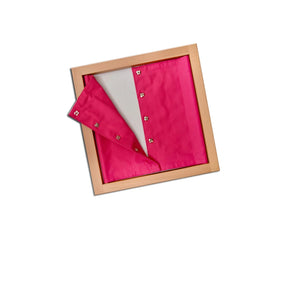
- Buttoning & Zipping: An old shirt or a small piece of fabric with a zipper sewn on can be a fantastic dressing frame.
DIY Sensory Exploration & Learning Activities
Sensory experiences are vital for young children. You can create engaging activities using things you already have.
- Nature Basket: A small basket filled with leaves, pebbles, flowers, and twigs collected during a walk in the park. This connects children to their environment and encourages exploration.
- Sensory Bins: A plastic tub (like an old tiffin box or storage container) filled with rice, lentils, sand from a construction site (cleaned!), or even water. Add small scoops, cups, and natural elements.
- Matching Games: Cut out shapes from old cardboard boxes. Collect pairs of objects – two identical spoons, two similar stones, etc. – for matching activities.
- Object Permanence Box: A shoebox with a hole on top and a drawer at the bottom. Drop a ball (or a lemon!) in the hole, and it reappears in the drawer.
- Homemade Art Supplies: Use natural colours like turmeric for yellow, beetroot juice for pink, or even mud for brown. Old newspapers are excellent for drawing or tearing.
Creating a Movement-Friendly Zone
Children need space to move freely. Even in a compact Indian home, designate a clear area where your child can crawl, walk, or simply stretch without bumping into furniture. A floor mattress can double as a safe play zone. Remember, a less cluttered space encourages more independent movement.
Enriching with Books and Everyday Objects
A small collection of age-appropriate books, displayed face-out on a low shelf (even a simple book stand made from cardboard), invites children to read. Rotate books regularly to keep interest alive. Incorporate real-life items like small baskets, wooden bowls, or even safe kitchen utensils as part of their play, teaching respect for objects and their use. For educational toys for toddlers, focus on items that are open-ended and encourage exploration.
Remember, the spirit of Montessori is about observation and respect. Watch what your child is drawn to and what they struggle with, then adapt the environment to support their needs. Grandparents often have a wealth of traditional activities and materials that align perfectly with Montessori principles, like simple threading with beads or cooking together.
Key Takeaways for Your Budget Montessori Play Space
- Simplicity is Key: A Montessori space thrives on order and minimal clutter. Less is often more.
- Child-Level Accessibility: Ensure all materials and shelves are within your child's easy reach.
- Focus on Practical Life: Utilize everyday household items for developing independence and fine motor skills.
- DIY & Repurpose: Cardboard, old fabrics, and natural elements are your best friends for creating engaging activities.
- Rotate Materials: Keep the space fresh and engaging by swapping out activities every few weeks.
- Observe Your Child: Tailor the environment to your child's current interests and developmental stage.
Frequently Asked Questions About Montessori at Home
What is the most important element of a Montessori play space?
The most crucial element is the "prepared environment," which means a space thoughtfully arranged to support a child's natural development and independence. It should be safe, orderly, and allow for freedom of movement and choice.
How can I involve my child in setting up their space?
Even young children can participate! Let them choose where a specific mat goes or which two books to display. For older children, involve them in deciding what activities to put out or where certain items should be stored.
Are store-bought Montessori toys necessary for child development India?
No, not necessarily. While authentic Montessori learning activities and materials are excellent, you can create a highly effective Montessori environment using repurposed household items and natural materials, especially for young children.
How do I keep the play space organised in a small home or joint family?
Designate a specific corner or a small mat as the child's area. Implement a "one activity out at a time" rule, and use small baskets or trays to contain materials. Regularly declutter and involve your child in putting things back, fostering a sense of responsibility.
Creating a Montessori play space doesn't require a large budget or extensive training. With a little creativity and a lot of love, you can provide a rich, stimulating environment for your child right at home, even under 500 rupees. For those times you're looking for beautifully crafted, authentic Montessori materials that complement your DIY efforts, remember to explore the thoughtful collections at SkilloToys.com.