Montessori: Raising an Independent Child from Age 1 in India
As Indian parents, we often dream of our children growing up confident, capable, and self-reliant. The journey to fostering these qualities can begin surprisingly early, right from your child's first birthday. If you're wondering how to raise an independent child from age 1 using Montessori principles, you've come to the right place. The Montessori philosophy, championed by Dr. Maria Montessori, offers a beautiful roadmap to nurturing your little one's innate drive for independence, tailored perfectly for the vibrant chaos and warmth of an Indian household.
Montessori independence isn't about letting a child do whatever they want; it’s about empowering them with the skills and freedom to choose and act for themselves within a supportive, prepared environment. This approach works because it respects the child's natural developmental stages and their inherent desire to explore and learn. Parents can facilitate this by observing their child closely and offering appropriate tools and opportunities for self-discovery.
The Montessori Way to Independence: Starting Early
Cultivating independence in a toddler involves more than just teaching them to do things on their own; it's about building their inner confidence and problem-solving abilities. Here’s how you can embrace Montessori principles to nurture this from age 1.
Preparing the Environment: Your Child's Home Oasis
A cornerstone of Montessori at home India is creating a child-centric environment. For a one-year-old, this means making their surroundings accessible and safe. Think low shelves where their toys and books are within reach, a small stool for them to climb on, and hooks at their height for a jacket or towel. Even in a small Indian apartment, dedicated spaces can be carved out.
For instance, in the living room, a low mat and a small table can become their 'workstation' for activities. In a joint family setting, involving grandparents in understanding this concept can make a big difference, ensuring everyone respects the child’s independence. Explore our collection of Montessori method learning materials and toys to help set up your space.
Practical Life Activities: Building Skills Daily
Practical Life activities are the heart of Montessori for toddlers. These are real-life tasks that children observe adults doing and are eager to imitate. This works because children inherently want to be capable and contribute to their community, even at a young age. Parents can involve their one-year-old in simple, age-appropriate tasks like wiping up spills with a small cloth, putting their slippers away, or helping to set a small mat for their meal. Imagine the joy in their eyes when they help put a tulsi leaf in the puja thali, or help water a small plant on the balcony!
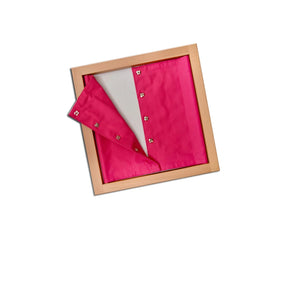
Such activities not only build practical skills but also develop concentration, coordination, and a sense of accomplishment, which are vital for child development India. You can find excellent resources to support these activities in our range of Practical Life Montessori Materials.
Choice and Freedom Within Limits: Empowering Your Toddler
Offering choices, even small ones, significantly empowers a toddler. Instead of asking, "Do you want to wear this?" try, "Would you like the blue top or the yellow one today?" This simple shift gives them a sense of control and helps them practice decision-making. Ensure the choices are limited and appropriate for their age, preventing overwhelm and fostering genuine independence.
Observation and Respect: Understanding Your Child's Needs
Dr. Maria Montessori emphasized the importance of observing children without interference. Watch what your child is drawn to, what challenges them, and what brings them joy. When they are engaged in an activity, avoid interrupting. This respect for their concentration nurtures their inner drive and self-discipline. Understanding these cues helps you tailor their environment and offer activities that truly support their developmental stage.
Engaging Activities and Educational Toys for Toddlers
Providing age-appropriate and open-ended educational toys for toddlers is crucial. At SkilloToys.com, we believe in materials that engage a child's senses and encourage exploration. For a one-year-old, this might include stacking rings, shape sorters, or simple puzzles. These are not just toys; they are tools for learning and developing fine motor skills, problem-solving, and hand-eye coordination.
Choose toys made from natural materials where possible, connecting them to our rich Indian heritage of craftsmanship. Explore our curated selection of Toddlers Montessori Materials designed to support early independence.
Language and Communication: Fostering Self-Expression
Engage in clear, respectful communication with your child. Use simple language and label objects correctly. When your child tries to communicate, listen attentively and respond, even if it's just babbling at age one. This shows them their voice is valued and encourages them to express themselves more, laying the foundation for strong self-advocacy.
Handling Grandparent Input: A Common Indian Scenario
In many Indian homes, grandparents play a pivotal role, and their love often manifests as 'doing things for' the child. Gently explain to them the benefits of fostering independence – that it’s not about being less loving, but about helping the child become more capable and confident. Involve them in small Montessori learning activities, showing them how the child thrives when given a chance to try things independently, whether it's putting away their plate after a festival meal or dressing themselves in their favorite kurta.
Key Takeaways for Raising an Independent Child
- Start fostering independence from age 1 by respecting your child's innate capabilities.
- Prepare a child-friendly environment with accessible items, even in compact Indian homes.
- Involve toddlers in practical life activities like pouring, wiping, and tidying up.
- Offer limited, age-appropriate choices to empower decision-making.
- Observe your child without interruption, respecting their concentration and pace.
- Provide educational, open-ended Montessori toys that encourage active learning.
- Communicate respectfully, valuing your child's attempts at self-expression.
- Educate and involve family members, especially grandparents, in supporting the child’s journey to independence.
Frequently Asked Questions
What age is best to start Montessori for independence?
Montessori principles can be introduced from birth, but actively fostering independence through practical activities and a prepared environment becomes highly effective from around 12-18 months, as toddlers begin to show a strong drive for self-doing and exploration.
How do I manage a Montessori home in a small Indian apartment?
Focus on creating designated 'work' zones, utilizing vertical space with low shelves, and rotating toys to keep the environment uncluttered. Prioritize functionality and accessibility over sheer quantity of items, making the most of every corner.
What are essential Montessori materials for a 1-year-old?
For a 1-year-old, essential Montessori materials include simple wooden puzzles, stacking toys, grasping beads, and items for practical life like small pitchers for pouring, child-sized brooms, or cloths for wiping. These promote fine motor skills and independence.
How does Montessori help with child development in India?
Montessori education nurtures holistic child development in India by fostering self-reliance, problem-solving, and respect for others, which are valuable traits in both individual and community life. It encourages children to be active learners and engaged citizens.
Can grandparents follow Montessori principles?
Absolutely! Grandparents can support Montessori principles by respecting the child's choices, involving them in age-appropriate household tasks, and allowing them to explore safely. Gentle explanations about the benefits of self-reliance can help align their loving intentions with Montessori practices.
Raising an independent child from age 1 is a rewarding journey, filled with small victories and profound growth. By embracing Montessori principles, you're not just teaching skills; you're nurturing a capable, confident, and curious individual ready to thrive in the world. SkilloToys.com is here to support you every step of the way with high-quality, educational resources designed for your child's developmental needs.