Montessori Reading at Home: Sandpaper Letters & Movable Alphabet
There's a special kind of joy that lights up an Indian home when a child utters their first words. Imagine that joy multiplied, watching them piece together letters to form words, then sentences, embarking on the incredible journey of reading! If you're an Indian parent exploring Montessori at home, you've likely heard whispers about the magic of Sandpaper Letters and the Movable Alphabet. These materials are cornerstones for teaching reading with sandpaper letters and movable alphabet at home, offering a tactile, engaging path to literacy that respects your child's natural pace and curiosity.
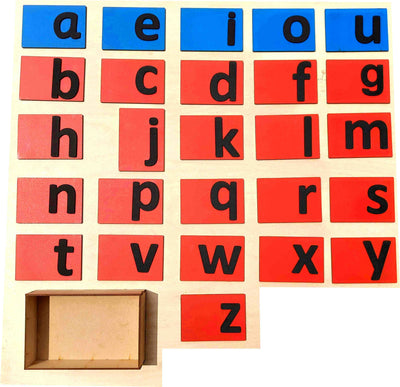
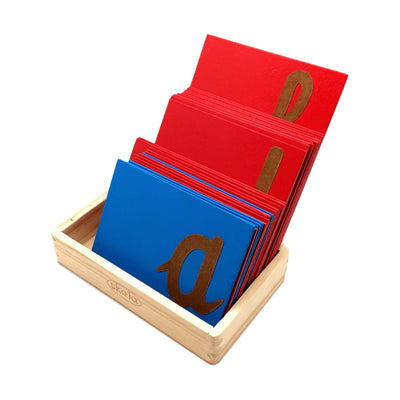
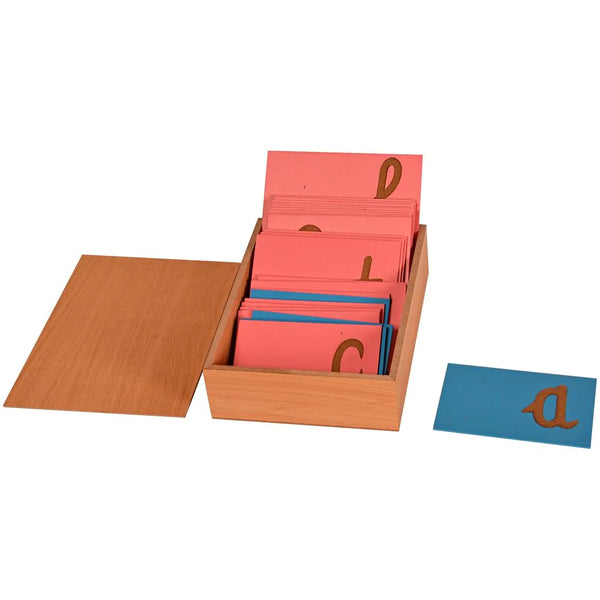
So, what exactly are Sandpaper Letters? These are individual wooden or cardboard tablets, each featuring a letter of the alphabet cut out of sandpaper and glued onto it. The letter is typically rough to the touch, standing out against a smooth background. This works because children learn through their senses. By tracing the letter with their fingers, they engage tactile and kinesthetic memory, linking the physical shape to its sound, not just its visual form. Parents can use these letters to introduce phonetic sounds, one at a time, allowing their child to "feel" the letter as they hear its sound.
The Magic of Sandpaper Letters for Early Readers
Introducing Sandpaper Letters is often done using the classic Montessori "three-period lesson," making it a delightful interaction between parent and child. In the first period, you introduce the letter's sound (e.g., "This is 'mmm'"), tracing it with two fingers. The second period involves asking your child to identify the letter sound ("Show me 'mmm'"). Finally, the third period is about recall ("What sound is this?"), solidifying their understanding.
This hands-on approach helps children internalize letter sounds in a multi-sensory way, which is crucial for early literacy. Imagine a quiet corner in your living room, perhaps next to the puja space, where your little one can focus. With a small mat and their Sandpaper Letters, they're not just looking at a letter; they're touching it, feeling its unique form. This deep sensory input makes learning memorable and fun, a hallmark of Montessori learning activities.
From Tracing to Building: Introducing the Movable Alphabet
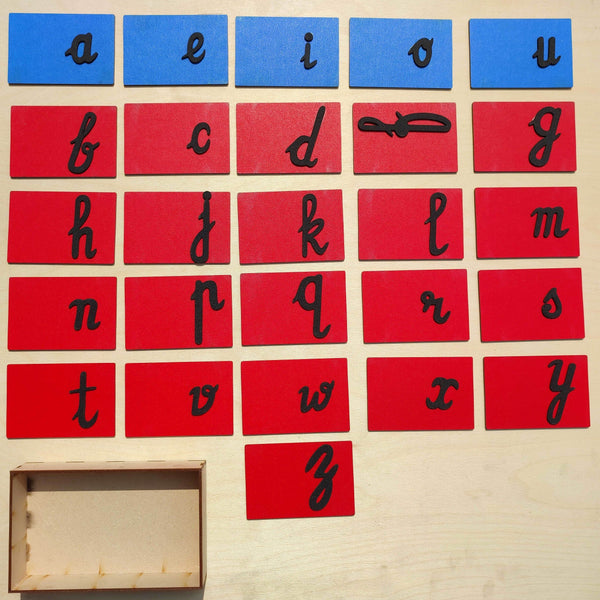
Once your child has a grasp of several letter sounds from the Sandpaper Letters, the Montessori Movable Alphabet becomes the next exciting step. This material consists of a box containing multiple small, individual cut-out letters (vowels usually in blue, consonants in red, for visual distinction). The brilliance of the Movable Alphabet lies in its ability to allow children to compose words and sentences before they have the fine motor skills to write them.
Children can pick out the letter tiles and arrange them to form words they hear or want to express. For example, after hearing the word "mat," they can find the 'm', 'a', and 't' tiles and place them in sequence. This process empowers them to explore phonetics independently, building confidence in their ability to decode and encode words. It bridges the gap between spoken language and written language beautifully, encouraging early word-building and laying a solid foundation for reading and writing.
Setting Up Your Montessori Reading Nook at Home
Creating a dedicated, inviting space for these activities is key for Montessori at home India. It doesn't need to be a large room; even a small apartment in Bengaluru can have a designated reading corner. A low shelf with their Sandpaper Letters and Movable Alphabet, a small mat or rug, and good lighting are all you need. Involve your child in setting up this space, fostering a sense of ownership and excitement.
Remember, the aim is to create an environment of calm and concentration, free from distractions. Perhaps your grandparents often love to join in, sharing stories or observing quietly, making it a beautiful intergenerational learning experience unique to our Indian joint family setups. This mindful preparation of the environment is crucial for effective child development India.
Nurturing a Love for Language (Not Just Reading)
While Sandpaper Letters and the Movable Alphabet are powerful tools for teaching reading, remember that literacy extends beyond decoding words. Continue to read aloud to your child, share stories from our rich Indian folklore, sing rhymes, and engage in meaningful conversations. These everyday interactions enrich their vocabulary, comprehension, and overall love for language. Providing a variety of Montessori learning materials, including those that foster language and storytelling, will nurture a holistic approach to their development.
Focus on your child's readiness and interest. Learning should be joyful, not a chore. Observe their cues, follow their lead, and celebrate every small milestone. This gentle, child-led approach ensures they develop a lifelong passion for reading, seeing it as an exciting discovery rather than a daunting task.
Key Takeaways
- Montessori reading uses multi-sensory Sandpaper Letters for letter sound recognition.
- The Movable Alphabet allows children to construct words phonetically before writing.
- This method supports independent learning and self-correction in literacy development.
- Prepare a dedicated, calm space for these reading activities at home.
- Focus on the child's readiness and interest to foster a joyful learning experience.
- Engage in storytelling and conversations to enrich overall language development.
When is the best time to introduce Sandpaper Letters and the Movable Alphabet?
Children are typically ready for Sandpaper Letters between 2.5 and 4 years, when they show an interest in sounds, letters, or words. The Movable Alphabet usually follows, around 3.5 to 5 years, once they have a good grasp of letter sounds and an eagerness to form words.
What if my child isn't interested in these materials?
Montessori education emphasizes following the child. If your child isn't showing interest, put the materials away for a few weeks and reintroduce them later. Never force the activity; instead, model engagement yourself or tell stories that pique their curiosity about letters and sounds.
How long should a reading session be with these materials?
Montessori lessons are typically short and focused, often lasting just 5-10 minutes. Observe your child's attention span and interest; end the activity before they lose focus, leaving them wanting more. Consistency with short, engaging sessions is more effective than long, forced ones.
Do I need to buy all Montessori language materials at once?
No, you can start with foundational materials like Sandpaper Letters and the Movable Alphabet, building your collection as your child progresses. Focus on quality over quantity, ensuring each material supports a specific developmental stage and learning goal for effective child development India.
What's the key difference between Sandpaper Letters and the Movable Alphabet?
Sandpaper Letters primarily focus on teaching the phonetic sound and tactile shape of individual letters, building a foundational understanding. The Movable Alphabet then uses these learned sounds, allowing children to physically construct and deconstruct words, bridging the gap between sounds and written language.
Empowering your child's journey into reading with these wonderful Montessori tools at home is a rewarding experience. Remember, every child learns at their own pace, and providing them with quality, authentic Montessori materials from stores like SkilloToys.com can make all the difference in their early literacy adventure.