Montessori Science Fun: Explorations for Homeschoolers (3-6)
As Indian parents, we often marvel at our children's endless 'why' questions. From the way a roti puffs up to why the moon changes shape, their curiosity is a boundless ocean. For those exploring or practising Montessori at home, channeling this natural wonder into meaningful learning is key. Today, let's dive into the fascinating world of science explorations for Montessori homeschoolers aged 3 to 6, turning everyday moments into profound discoveries.
So, what exactly does Montessori science mean for our little ones? It's less about memorizing facts from a textbook and more about hands-on, sensory experiences that spark a lifelong love for discovery. Montessori science is all about observation, experimentation, and understanding the natural world around us, from the smallest ant in our garden to the vastness of the sky. This approach allows children to construct their own knowledge through direct interaction with their environment.
Why Montessori Science Matters for Little Learners
Maria Montessori believed that children have an absorbent mind, especially between the ages of 0 and 6. This period is crucial for absorbing information from their surroundings effortlessly. Introducing science during this time helps in holistic child development in India, nurturing their logical thinking, problem-solving skills, and a deep respect for nature.
Montessori science encourages critical thinking by inviting children to ask questions and seek answers through direct experience. For instance, a simple activity like sorting seeds can lead to discussions about plant life cycles and where our food comes from. This works because children learn best by doing, rather than just being told. Parents can facilitate this by providing a prepared environment with accessible materials and observing their child's interests.
Simple Science Explorations You Can Do at Home
You don't need a fancy laboratory to conduct engaging Montessori learning activities. Many wonderful science explorations can happen right within your Indian home, using materials you already have. These activities are perfect for enriching your homeschooling journey.
Nature Walks & Observation
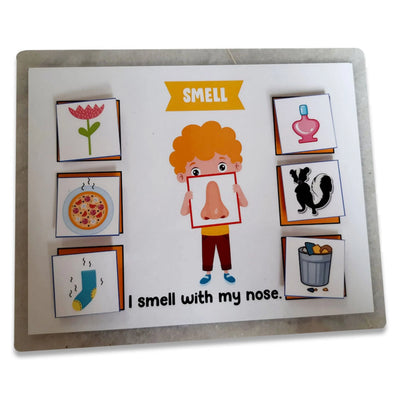
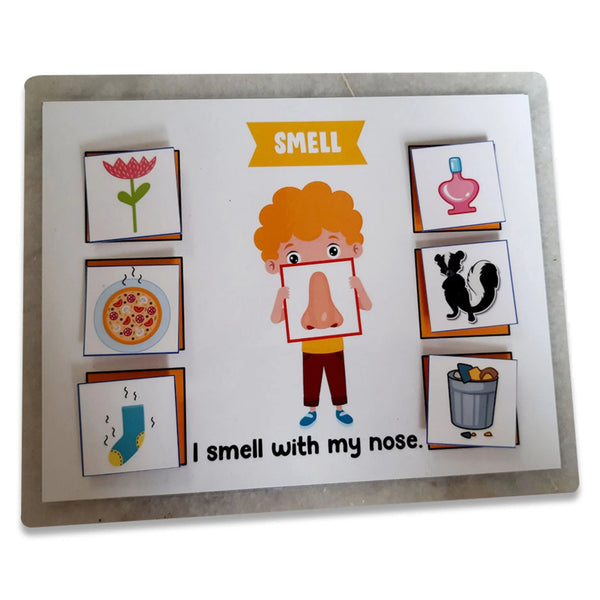
Even a short walk in a local park or a stroll around your apartment complex can become a science expedition. Encourage your child to collect leaves, pebbles, or flowers. Observe insects like ants or butterflies. Talk about the different textures, colours, and smells. During festivals like Vasant Panchami, you can discuss the blossoming of mustard fields or the arrival of spring birds.
Water & Sand Play
These classic Montessori activities are perfect for exploring concepts like volume, density, and solubility. Provide different sized containers, funnels, and natural objects to float or sink. In India, where water is precious, this can also be an opportunity to talk about water conservation. SkilloToys offers wonderful activity kits that include tools for engaging water and sand play, making these explorations even more exciting.
Kitchen Chemistry: Everyday Experiments
Your kitchen is a treasure trove of scientific wonders! Mix baking soda with vinegar to see a fizzy reaction. Observe how ice melts into water or how different spices dissolve. Let them help make lassi or knead dough, discussing the changes they see and feel. These simple activities provide hands-on experience with chemical reactions and physical changes.
Magnets & Magnification
A simple magnet can open up a world of discovery. Let your child explore which objects in your home are magnetic and which are not. A magnifying glass can transform a tiny leaf or a speck of sand into a fascinating landscape, encouraging detailed observation. You can find excellent tools for these kinds of explorations within the Montessori method learning materials collection at SkilloToys.
Exploring Life Cycles
Sprout some moong dal or chana in a jar and observe its daily growth. This is a wonderful way to understand the life cycle of a plant. If you have a small garden or even a balcony, plant a seed and watch it grow. Discuss the needs of the plant – sunlight, water, and soil – connecting it to the care we give to ourselves and others in our joint families.
These educational toys for toddlers and preschoolers are not just about fun; they are about building a solid foundation for scientific thinking. Remember, the goal is to follow the child's interest and provide a rich environment for exploration. Encouraging a 'Montessori at home India' approach means embracing the everyday and turning it into a learning opportunity.
- Key Takeaways
- Montessori science for preschoolers emphasizes hands-on exploration and observation, not memorisation.
- Everyday household items and nature offer rich opportunities for scientific discovery in Indian homes.
- Activities like water play, kitchen experiments, and nature walks build foundational scientific understanding.
- Fostering a child's natural curiosity is key to developing a lifelong love for learning science.
- Montessori encourages children aged 3-6 to lead their own explorations, supported by a prepared environment.
- Simple, accessible materials can create engaging science corners even in small apartment spaces.
Frequently Asked Questions About Montessori Science at Home
What is the best age to start Montessori science activities?
Children as young as 2.5 to 3 years old are naturally curious and ready for Montessori science. This age is perfect for introducing basic concepts through sensory exploration and observation, aligning with their sensitive periods for order and detail.
Do I need special Montessori materials for science experiments at home?
Not necessarily! While SkilloToys offers excellent Montessori method learning materials, many science explorations can be done with everyday items like water, leaves, pebbles, magnets, and kitchen ingredients. The key is the method of presentation and allowing independent exploration.
How can I encourage my child's scientific curiosity in an Indian home setting?
Incorporate science into daily life. Talk about the plants on your balcony, observe street animals, discuss how food changes when cooked, or explore shadows during a power cut. Grandparents often have traditional wisdom about nature and can be wonderful guides, too.
What if I don't have much space for elaborate science setups?
Montessori emphasizes simplicity. A small tray with a magnifying glass and a few natural objects, or a corner of the kitchen counter for a simple experiment, is often enough. Utilize vertical space or create 'portable' activity kits that can be stored away.
How long should a science activity last for a 3-6 year old?
The child dictates the duration. Some activities might hold their attention for only a few minutes, while others, like observing sprouts grow, can be revisited daily over a week. The goal is engagement and discovery, not adherence to a strict timetable.
Embracing science in your Montessori homeschool isn't just about learning facts; it's about nurturing a curious mind that questions, explores, and understands the world. SkilloToys.com is here to support your journey with a range of educational tools designed to spark joy and discovery in every child.