Montessori Tips: Building Toddler Concentration & Focus
Ah, the vibrant energy of a toddler! One moment they're captivated by a new toy, the next they're off chasing a stray dust bunny. For many Indian parents, navigating this whirlwind can be a joyful challenge, especially when we hope to see them settle into focused play. If you've been wondering how to encourage deeper engagement and longer attention spans, you're in the right place. We're talking about building concentration and focus in distracted toddlers with Montessori, a gentle yet powerful approach that truly understands the young mind.
So, what exactly is concentration in the Montessori context for a young child? In simple terms, it's the ability for a child to deeply engage in an activity of their choosing, undisturbed, for an extended period. This isn't about forced attention, but rather a natural process of self-directed learning. This works because Montessori environments are designed to be 'prepared' – offering activities that are perfectly matched to a child's developmental stage, sparking their innate curiosity and allowing them to follow their interests. Parents can observe their child's natural inclinations and provide materials that invite deep engagement.
The Prepared Environment: A Sanctuary for Focus
In the bustling Indian home, whether a cozy apartment or a vibrant joint family setup, creating a dedicated, calm space for your toddler is key. This 'prepared environment' doesn't require a separate room; even a small corner can become a haven for focused activity. The goal is to minimize distractions and invite purposeful engagement.
Order and accessibility are paramount. Ensure that your child's activities and educational toys for toddlers are neatly organized, visible, and easily reachable by them. When everything has its place, it fosters a sense of security and helps the child anticipate their next activity, laying the groundwork for greater concentration.
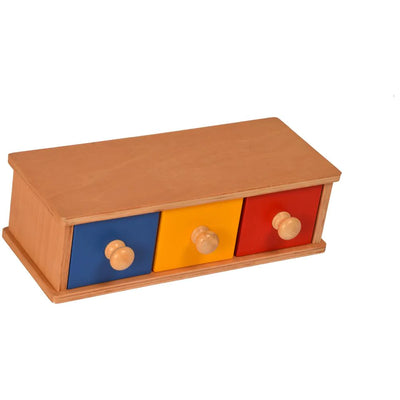
Remember, less is often more. A curated selection of high-quality, developmentally appropriate materials is far more beneficial than an overwhelming pile of toys. Rotate activities regularly to maintain interest and prevent overstimulation. Explore our full range of Montessori method learning materials and toys to inspire this space.
Engaging Activities for Developing Attention
Montessori learning activities are designed to captivate a child's attention through hands-on, purposeful work, fostering crucial aspects of child development India.
Practical Life Activities: The Everyday Magic
These are perhaps the most accessible and effective activities for young children, deeply embedded in Indian culture. Practical life exercises mimic everyday tasks, allowing children to participate meaningfully in their home environment. Think of your child helping with simple chores, just like they see their elders do.
Pouring water from one small pitcher to another, sweeping a tiny section of the floor, or washing a handkerchief are all excellent examples. During festivals like Diwali or Holi, even helping sort small decorations or lentils can become a practical life activity. These tasks build independence, coordination, and significantly extend a toddler's concentration.
The repetition involved in mastering these skills is a powerful builder of focus. A child might pour water dozens of times, completely absorbed, refining their movements and staying deeply engaged in the task at hand.
Sensorial Exploration: Awakening the Senses
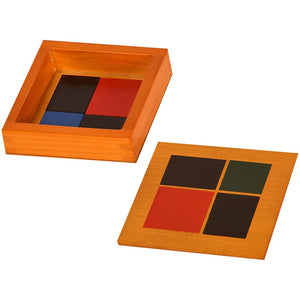
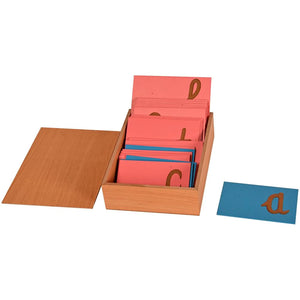
Maria Montessori observed that children learn through their senses. Sensorial materials isolate specific qualities like colour, size, shape, texture, and weight, allowing the child to refine their perception. Imagine your child carefully placing the cylinders of a Pink Tower, or matching the rough and smooth surfaces of sandpaper tablets.
These carefully designed materials engage a child's senses in a focused way, leading to deeper engagement and longer attention spans. For instance, the Montessori sensorial materials available at SkilloToys.com are crafted to guide a child through a process of discovery and self-correction, which inherently builds concentration.
Through repeated interaction with these materials, children not only develop a refined understanding of the world but also cultivate the internal discipline required for sustained focus. It’s a foundational step in preparing their minds for more abstract learning later on.
Fine Motor Skill Builders: Hands-on Concentration
Activities that develop fine motor skills are excellent for boosting concentration. When a child works with their hands, their mind naturally becomes more engaged and focused on the task. Think of threading large beads onto a string, using a child-safe dropper, or completing simple knobbed puzzles.
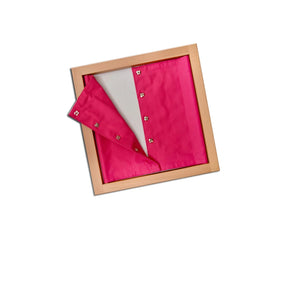
These tasks require precision and coordination, compelling the child to concentrate intently on their movements. As their hands become more adept, their focus grows stronger, linking physical action directly to cognitive engagement. SkilloToys.com offers a wonderful selection of toys and games for fine motor skills that are perfect for this.
Such activities lay the groundwork for future skills like writing and drawing, but their immediate benefit is the profound impact they have on a child's ability to maintain attention and persist through a task.
The Role of the Adult: Gentle Guidance, Not Interruption
As parents and caregivers – including grandparents who often play a significant role in Indian homes – our most powerful tool is observation. Watch your child without interfering. When a child is deeply concentrated, it's a sacred moment. Avoid interrupting, even with praise, as this can break their 'flow'.
Your role is to prepare the environment, present activities clearly, and then step back. Allow your child the freedom to choose, explore, and repeat activities as often as they like. This respect for their concentration empowers them to build it further.
Model focused behaviour yourself. When you are engaged in your own tasks – whether cooking, reading, or working – your child observes this quiet concentration. This silent example is a powerful lesson in valuing deep, purposeful work.
Key Takeaways
- Montessori fosters concentration by allowing children self-directed, meaningful engagement.
- Create a 'prepared environment' at home with order, accessibility, and fewer, high-quality materials.
- Practical Life activities, like helping with household chores, naturally develop focus and independence.
- Sensorial materials refine the senses and extend attention spans through specific, engaging tasks.
- Fine motor skill builders enhance hand-eye coordination and cognitive concentration.
- Adults should observe, prepare the environment, and respect a child's concentration without interruption.
Frequently Asked Questions
How do I know if my toddler is truly concentrating?
Look for deep engagement, sustained attention, and a calm, absorbed expression. They might not notice you or external sounds, indicating they are in a state of 'flow' and fully immersed in their activity.
What if my child loses interest very quickly?
This is common! Offer a variety of age-appropriate, appealing activities. Sometimes, simplifying the environment or reducing choices can help, allowing them to choose something that truly captivates them for longer periods.
Can Montessori work in a busy Indian joint family home?
Absolutely! Designate a small, quiet corner for your child's activities. Involve family members by explaining the approach, encouraging respect for the child's 'work', and perhaps even having grandparents model practical life skills.
Are Montessori toys really necessary for concentration?
While specific Montessori materials are expertly designed for developmental progression, the *principles* are key. Any high-quality, open-ended educational toy that encourages independent exploration and problem-solving can be Montessori-aligned and build focus.
How long should a toddler be able to concentrate?
It varies greatly. A young toddler (1-2 years) might focus for 5-10 minutes, while a preschooler (3-6 years) can extend to 15-30 minutes or even longer for deeply engaging tasks. The goal is a progressive increase in their attention span.
Building concentration is a journey, not a race. With patience, observation, and the right approach, you can nurture a focused, engaged, and joyful learner. Explore our curated range of Montessori-aligned educational toys and materials at SkilloToys.com to support your child's incredible developmental path.