Practical Life Curriculum for 18 Month to 3 Year Olds
Picture this: your little one, just learning to toddle, eagerly reaching for the broom as you sweep, or insisting on helping you wash vegetables for dinner. Sound familiar? This natural urge to participate in the everyday world around them is precisely what the practical life curriculum for 18 month to 3 year olds nurtures in a Montessori home environment. It’s not just about keeping them busy; it's about harnessing their inherent drive for independence and building crucial life skills right from their early years.
So, what exactly are practical life activities in Montessori? Essentially, they are purposeful, real-life tasks that a child can observe and then attempt to replicate. This works because children in this age group are driven by a deep desire to imitate adults and master their environment. Parents can set up a prepared environment with child-sized tools and simple activities, allowing their little ones to practise these skills at their own pace.
Why Practical Life Matters for Indian Toddlers
In the bustling Indian home, where often multiple generations live together, toddlers are constantly observing a rich tapestry of daily chores and rituals. From helping Dadi make rotis to assisting in arranging diyas during Diwali, children naturally want to be a part of the family rhythm. The practical life curriculum acknowledges and respects this intrinsic desire, offering structured ways for them to contribute meaningfully.
These activities are vital for a child's holistic development. They refine fine and gross motor skills, enhance concentration, develop problem-solving abilities, and build a strong sense of self-confidence and independence. For Montessori at home India, practical life means transforming everyday household tasks into engaging learning opportunities.
Everyday Practical Life Activities for Your Little One
The beauty of practical life is its simplicity and adaptability. You don't need elaborate setups; often, the best 'materials' are found right in your kitchen or living room. Here are some ideas:
Pouring and Transferring
Give your child two small pitchers or bowls and some dry ingredients like lentils, rice, or even water. They will meticulously practise pouring from one to the other, developing hand-eye coordination and concentration. As they get better, introduce a funnel or a spoon for transferring. Many practical life Montessori materials are designed specifically for these exercises, offering just the right challenge.
Sweeping and Dusting
Provide a child-sized broom and dustpan. Let them help sweep up crumbs after meals or dust low-lying furniture. This fosters a sense of responsibility for their environment and teaches them to care for their surroundings, a valuable lesson in any Indian household.
Dressing Skills
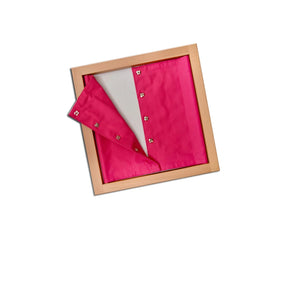
Practising buttons, zippers, and snaps on their own clothes or on a dressing frame helps develop fine motor control. Encourage them to choose their own clothes for the day, even if it's a simple kurta or a pair of shorts, fostering decision-making and self-sufficiency.
Preparing Snacks
Involve them in simple snack preparation. They can wash small fruits like grapes or jamun, peel a boiled potato, or help set the table for their meal. These activities teach sequence, practical maths, and a love for healthy eating. Even a simple task like wiping down the table with a cloth after they've eaten is a fantastic practical life exercise.
Care of Self & Environment
This includes activities like washing hands, brushing teeth, watering plants (perhaps the beloved tulsi plant in the balcony!), or arranging their toys. For younger toddlers, an imbucare box can be an excellent starting point for developing dexterity and understanding object permanence, preparing them for more complex practical life tasks.
Montessori at Home India: Adapting for Your Space
Whether you live in a sprawling bungalow or a cozy apartment in Bengaluru, practical life can be seamlessly integrated. Focus on creating a 'yes' environment where your child has access to safe, child-friendly tools. This might mean a low shelf for their dishes, a small stool to reach the sink, or a designated spot for their cleaning supplies. Remember, the goal is independence, not perfection. Embrace the mess as part of the learning journey.
Key Takeaways
- Practical life activities help toddlers aged 18 months to 3 years develop crucial life skills and independence.
- These activities harness a child's natural desire to imitate adults and participate in their environment.
- Benefits include enhanced fine motor skills, concentration, problem-solving, and self-confidence.
- Indian homes offer rich opportunities for practical life, utilising everyday chores and cultural practices.
- Adapt activities to your specific home environment, providing child-sized tools and a 'yes' space.
- Embrace the process of learning and allow for mistakes, as they are essential for growth.
Frequently Asked Questions About Practical Life
What are practical life activities in Montessori?
Practical life activities are purposeful, real-life tasks that help a child develop independence, concentration, coordination, and a sense of order. They are typically divided into care of self, care of the environment, grace and courtesy, and movement control.
How can I start practical life activities with my 18-month-old?
Begin with simple, one-step tasks that your child observes you doing regularly, like wiping a spill, putting away a toy, or transferring objects. Offer child-sized tools and demonstrate slowly, without talking too much, allowing your child to imitate when they are ready.
Do I need special Montessori materials for practical life?
While specific Montessori materials exist, many practical life activities can be done with everyday household items found in Indian homes. Think small pitchers, sponges, brooms, or even lentils and rice. The key is to provide real, functional items that are appropriately sized for your child.
What are the benefits of practical life activities for toddlers?
Practical life activities significantly boost a toddler's fine and gross motor skills, concentration span, problem-solving abilities, and sense of responsibility. They foster independence, self-confidence, and a deep understanding of their role within the family and community.
How much time should we spend on practical life activities?
There's no set time limit; the focus is on integrating practical life naturally into daily routines. Offer opportunities throughout the day and allow your child to engage for as long as their concentration holds. Even short bursts of focused activity are highly beneficial for their development.
Encouraging practical life skills in your toddler is a beautiful way to foster their budding independence and love for learning. SkilloToys.com is here to support your journey with a curated selection of educational toys for toddlers that complement these valuable at-home experiences, designed for every stage of your child's growth.