Practical Life Curriculum for 18 Months to 3 Years
Watching your little one explore the world around them is truly magical, isn't it? From trying to feed themselves to attempting to help with household chores, toddlers between 18 months and 3 years are bursting with a desire to "do it myself." This natural drive is precisely what the Montessori practical life curriculum for 18-month to 3-year-olds harnesses, turning everyday tasks into powerful learning opportunities right here in your Indian home.
So, what exactly is Montessori practical life? At its core, practical life refers to activities children observe and experience in their daily lives. These are foundational Montessori learning activities designed to help children develop independence, concentration, coordination, and a sense of order. This works because these activities meet the child's innate need for purposeful movement and self-mastery, allowing them to feel capable and contribute. Parents can easily integrate these activities using child-sized tools and a prepared environment.
Why Practical Life Matters for Your Toddler's Development
For toddlers aged 18 months to 3 years, practical life activities are foundational for all future learning. Mastering tasks like pouring water builds confidence and a longer attention span, not just coordination. These activities are crucial for holistic child development in India, preparing them for life itself.
Fostering Independence and Self-Confidence
In many Indian homes, toddlers often have tasks done for them out of love. However, offering practical life opportunities allows them to gain vital independence. The pride on a child's face when they successfully put on their own sandals or help set their small plate is immense. These small victories build self-confidence and can be a shared joy, even with grandparents.
Developing Essential Fine and Gross Motor Skills
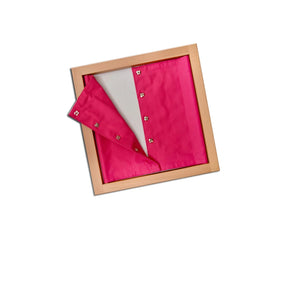
Practical life activities offer rich opportunities for both fine and gross motor development. Squeezing a sponge, transferring lentils with a spoon, or buttoning a shirt hone fine motor skills, crucial for later writing. Gross motor skills develop through sweeping with a child-sized broom or carrying a small jug. Explore Montessori practical life materials to support these developments.
Building Concentration and Focus
Teaching concentration is a priceless gift in our distracting world. Practical life activities, with their clear beginning, middle, and end, naturally encourage prolonged focus. When a child is absorbed in polishing a small brass pooja bell or folding a napkin, they develop their 'will' and ability to concentrate. This is a foundational aspect of Montessori learning activities.
Setting Up Your Prepared Environment for Practical Life at Home
Creating a Montessori environment means thoughtful preparation, not a classroom makeover. In small Indian apartments, this might involve a dedicated low shelf or specific drawer for child-sized tools. The key is ensuring accessibility and order, making it easy for your child to engage.
Kitchen Activities: A Taste of Independence
The kitchen, often the heart of an Indian home, is a perfect practical life hub. Involve your toddler in simple tasks: washing fruits, stirring batter, peeling boiled potatoes, or sorting pulses and spices. Provide a sturdy stool for safety. Simple pouring and transferring activities with water are wonderful. An Imbucare Box can further practice hand-eye coordination.
Personal Care: "I Can Do It Myself"
Self-care tasks are truly empowering. Encourage your 18-month to 3-year-old to wash hands, brush hair, pick out clothes (from two choices), or help put away toys. A low hook for jackets or a small laundry basket makes a difference. During festivals, simple tasks like putting bindi on a picture or decorating a small rangoli can be delightful.
Care of the Environment: Contributing to the Home
This category is vital for building a sense of responsibility. Children love to contribute, whether dusting a low shelf or sweeping crumbs with a miniature broom. Watering plants, wiping spills, or helping to sort clean clothes (matching socks!) are excellent activities. These foster a sense of belonging, especially valued in Indian households.
Tips for Implementing Montessori Practical Life at Home in India
- Observe Your Child: What are they naturally drawn to? Start there.
- Provide Child-Sized Tools: Small brooms, tiny dustpans, miniature pitchers, and appropriate sponges make tasks manageable.
- Demonstrate Clearly and Slowly: Show each step without talking, then invite them to try.
- Allow for Mistakes: Spills and dropped items are learning opportunities. Be patient and supportive.
- Rotate Activities: Keep the environment fresh and engaging by changing activities based on interest and development.
- Connect to Indian Culture: Incorporate elements like sorting lentils, polishing brass, or helping with festival decorations.
- Be Patient and Trust the Process: Montessori at home India is about the journey, not just the destination.
Key Takeaways for Practical Life Curriculum
- The Montessori practical life curriculum for 18-month to 3-year-olds transforms everyday tasks into significant learning experiences.
- These activities are crucial for developing independence, concentration, and fine/gross motor skills in toddlers.
- A "prepared environment" at home, featuring child-sized tools and accessible materials, is fundamental.
- Practical life categories include personal care, care of the environment, and food preparation, all adaptable to an Indian context.
- Observation, demonstration, and patience are key for parents implementing Montessori learning activities.
- Integrating practical life skills supports holistic child development, building confidence and capability.
Frequently Asked Questions About Practical Life
These are common questions Indian parents have when exploring Montessori practical life for their toddlers.
What age is appropriate for Montessori practical life activities?
Montessori practical life activities can begin as early as 12-18 months, aligning with a toddler's natural drive for independence. The activities adapt and grow in complexity as the child develops, extending well into preschool years.
How do I start practical life activities if I live in a small apartment?
Even in small Indian apartments, you can create a practical life area. Use vertical space with low shelves, designate a specific drawer for child-sized tools, or rotate activities to use limited surface areas efficiently. Focus on one or two accessible activities at a time.
What are some simple practical life activities I can do with my 2-year-old?
For a 2-year-old, consider pouring water from a small pitcher, transferring lentils with a spoon, washing small fruits, dusting a low shelf, or helping to put away their own shoes. These simple tasks are excellent educational toys for toddlers in action.
How can practical life help with my child's concentration?
Practical life activities have a clear beginning, middle, and end, which naturally encourages a child to focus and complete a task. The purposeful movement and visible results are inherently satisfying and help extend their attention span over time.
Embracing the practical life curriculum at home is a beautiful journey of discovery and empowerment for both you and your child. At SkilloToys.com, we are committed to providing high-quality, authentic Montessori educational toys and resources to support every Indian parent on their homeschooling path.