Practical Life Curriculum for Toddlers at Home (18 Months to 3 Years)
Imagine your little one, barely two, carefully wiping up a spill they made, or proudly putting their own shoes away. It's not just a dream; it's a reality fostered by the Montessori practical life curriculum for 18 month to 3 year olds. In many Indian homes, where children often see elders engaged in daily chores, there's a natural inclination for little ones to mimic and help. This innate desire is precisely what practical life activities aim to nurture, transforming everyday tasks into powerful learning opportunities for your toddler.
What exactly is a practical life curriculum in the Montessori approach? It's a series of purposeful activities that children observe and perform in their daily environment, focusing on self-care, care of the environment, grace and courtesy, and control of movement. Practical life is a foundational element of the Montessori method, teaching children to master skills for daily living. This works because toddlers are in a sensitive period for order and movement, driven by an internal urge to become independent. Parents can facilitate this by presenting tasks clearly and allowing children the time and space to master them, fostering a profound sense of accomplishment and self-worth.
Why Practical Life Matters for Your Toddler
Building Independence and Self-Confidence
When a child successfully pours their own water or puts on their own socks, they gain immense confidence. This "I can do it myself!" attitude is crucial for healthy child development in India, preparing them not just for school but for life's many challenges. These early successes build a foundation of self-reliance and equip them with essential life skills.
Developing Fine and Gross Motor Skills
From sweeping a small area with a child-sized broom to carefully transferring lentils with a spoon, practical life activities are a powerhouse for developing both fine and gross motor skills. They refine hand-eye coordination, strengthen small muscles in the hands for writing readiness, and improve balance and movement. These are vital Montessori learning activities that build physical dexterity.
Fostering Concentration and Order
Toddlers have a remarkable capacity for concentration when engaged in meaningful work. Practical life tasks, with their clear beginnings and endings, help children develop focus and attention span. The repetition involved in mastering a skill also cultivates a sense of order and logical sequence, important cognitive building blocks that prepare them for more complex learning.
Setting Up Your Montessori Practical Life Space at Home
You don't need a large, dedicated Montessori room to implement a practical life curriculum. Even in a small Indian apartment or a bustling joint family home, thoughtful preparation makes a difference. Create a "yes" environment where your child can safely explore. This might mean a low shelf with child-sized utensils in the kitchen, a small basket with cleaning cloths, or a hook at their height for their jacket. Involve grandparents; their wisdom and patience can be invaluable in guiding children through these tasks, connecting generations through shared activities.
Consider using readily available Indian materials – small clay pots for pouring, traditional broomsticks (jhadu) for sweeping, or even repurposing old sarees for folding exercises. The key is accessibility and functionality. Look for practical life Montessori materials designed for little hands, ensuring they are sturdy and safe for repeated use, which supports your journey of Montessori at home India.
Engaging Practical Life Activities for 18 Months to 3 Years
Here are some ideas to get started with Montessori method learning materials for your toddler, turning everyday moments into powerful lessons:
- Pouring Activities: Offer two small pitchers, one with water or dried beans, and let your child pour from one to the other. Start with thick liquids like milk or thicker grains, progressing to water. This refines control and hand-eye coordination, crucial for developing precision.
- Sweeping and Wiping: Provide a child-sized broom and dustpan or a small cloth and spray bottle with water (or just water). Show them how to sweep up crumbs or wipe down a low surface. They'll love feeling helpful and contributing to the family environment.
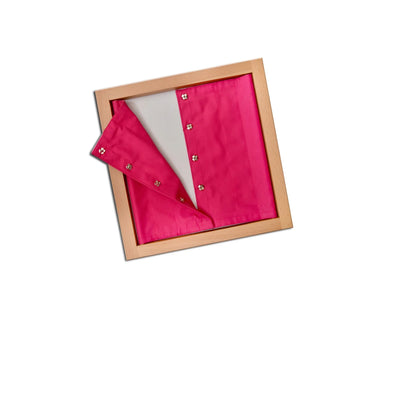
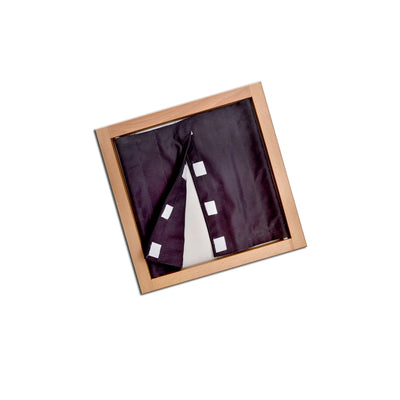
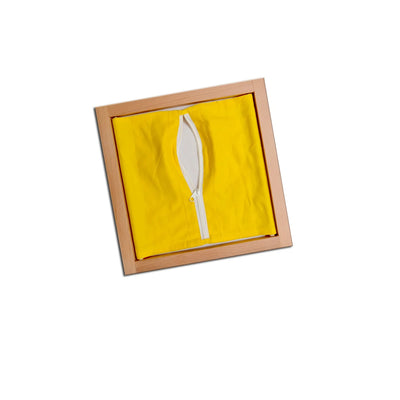
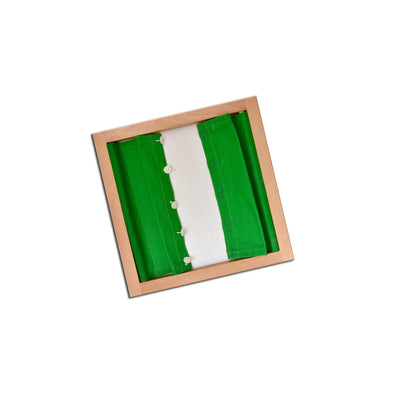
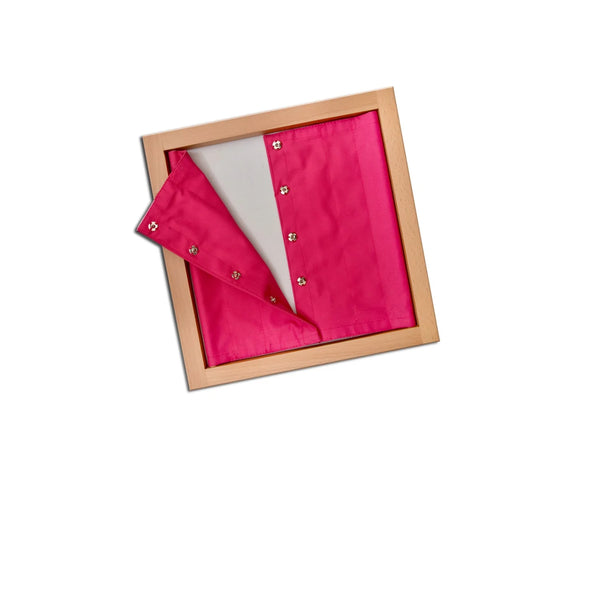
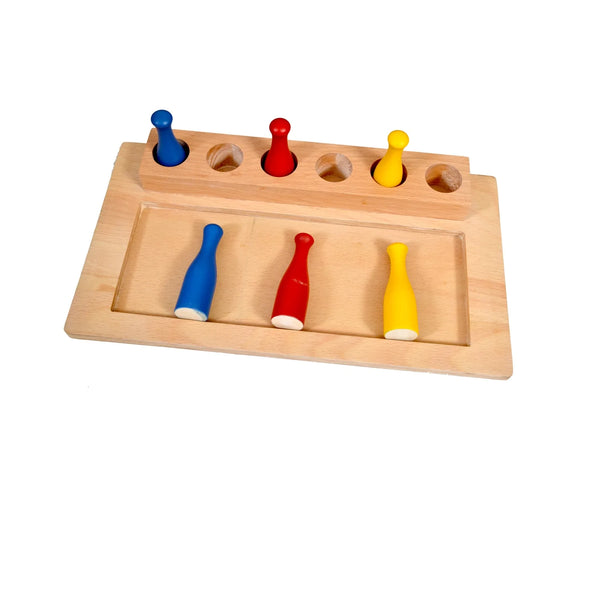
- Dressing Skills: Set out clothes in an accessible drawer. Practice putting on socks, simple shirts, or even just zipping and unzipping a jacket. The Imbucare box is also fantastic for developing the fine motor skills needed for manipulating small objects and practicing concepts of 'in' and 'out', which indirectly supports dressing and object permanence.
- Food Preparation: Simple tasks like washing fruits, tearing lettuce for a salad, or stirring ingredients are wonderful. Supervised spreading of butter on toast or mashing soft vegetables can be incredibly engaging and teach valuable life skills, fostering a healthy relationship with food.
- Care of Plants/Animals: If you have indoor plants, let your child help water them with a small watering can. If you have pets, involve them in filling the food bowl (under supervision). These activities teach responsibility, empathy, and respect for living things.
- Folding Laundry: Start with small items like handkerchiefs or napkins. Demonstrate slowly, step-by-step. The focus is on the process, not perfection. This also supports the development of order, sequential thinking, and contributes to the care of the environment.
Tips for Success with Practical Life at Home
Remember, the journey of Montessori at home India is about patience and observation. Follow your child's lead and their interests. Present activities clearly and slowly, breaking them down into small, manageable steps. Avoid interrupting or correcting; allow them to make mistakes and learn through repetition. Offer freedom within limits, ensuring the environment is prepared and safe. Celebrate their effort and concentration, rather than just the perfect outcome. This approach builds a deep love for learning and empowers your child to become a confident, capable individual, boosting their overall child development in India.
Embracing a practical life curriculum for your 18 month to 3 year olds offers a rich foundation for their growth. These educational toys for toddlers and activities are more than just play; they are purposeful work that builds character, skill, and independence. SkilloToys.com is dedicated to supporting your homeschooling journey with a wide range of authentic Montessori method learning materials and resources, helping you create an enriching environment for your little one.